Introduction
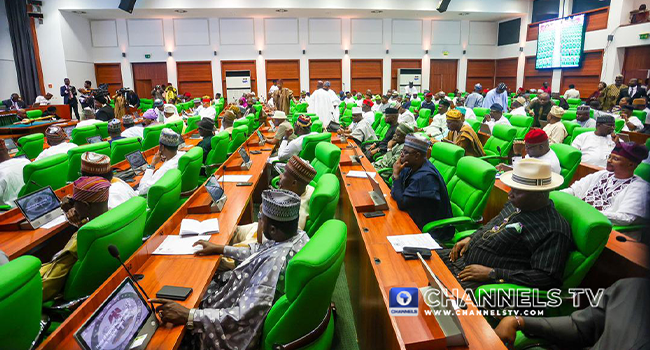
The House of Representatives has approved another extension for the 2025 capital budget, pushing the implementation deadline to the end of 2026. This decision gives federal agencies additional time to complete critical infrastructure projects that were at risk of delays.
What Happened
The extension follows a formal request from President Bola Tinubu to the National Assembly. Lawmakers passed the amendment bill through accelerated plenary sessions, emphasizing that the delay is necessary to prevent project abandonment across the country. This marks the latest in a series of timeline adjustments, moving the deadline from the original end of 2025 through several extensions to September 2026, and now to December 31, 2026.
Why This Matters
Extending the capital budget implementation period directly impacts the ability of ministries, departments, and agencies to deliver essential public projects on time. Without this extension, many infrastructure initiatives could face suspension or incomplete execution, affecting public services and economic activity. The move highlights the ongoing challenges in fiscal execution and the need for flexible budget management.
Key Takeaways
- The 2025 capital budget implementation deadline is now set for December 31, 2026.
- The extension was granted at the request of President Bola Tinubu.
- The primary goal is to prevent abandonment of ongoing capital projects due to funding bottlenecks.
- Federal agencies now have additional time to disburse and execute allocated funds.
- This represents the fifth major deadline adjustment for the 2025 appropriation cycle.
Conclusion
With the new deadline in place, federal agencies must prioritize the efficient use of remaining capital allocations to ensure projects are completed before the end of the year. The extension reflects lawmakers' recognition of ground-level challenges in budget implementation, and stakeholders will be watching how effectively funds are deployed in the coming months.



Discussion
Join the conversation
Thoughtful reactions, questions, and follow-up ideas help shape the next story.