Introduction
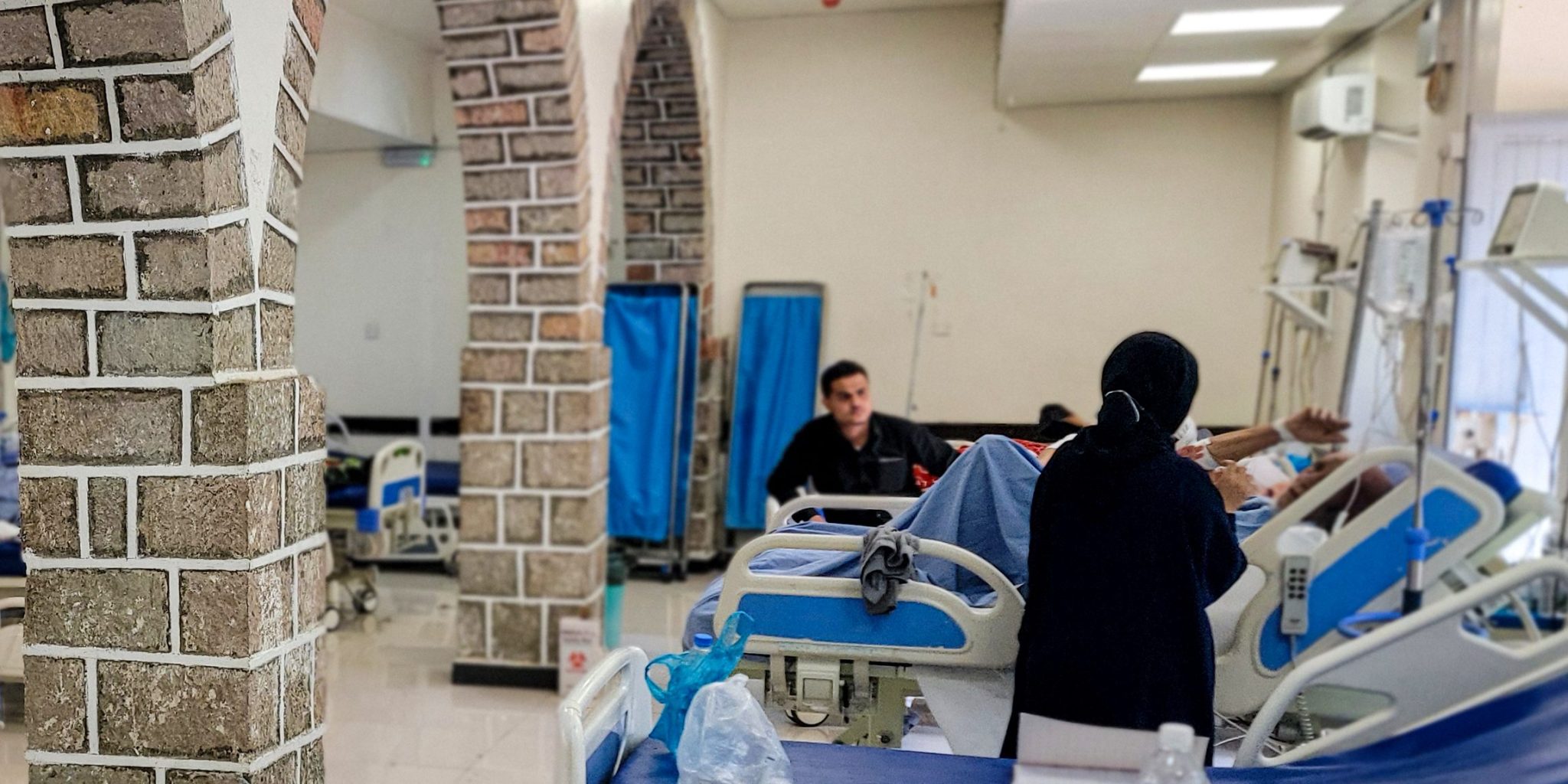
Yemeni authorities and international observers sound the alarm over a growing death toll among kidney failure patients in Taiz, where a Houthi siege has made dialysis treatment nearly impossible. At least 10 patients have died after being unable to reach medical facilities, and doctors warn the actual number could be far higher.
What Happened
Since October 2026, Houthi forces intensified a blockade around Taiz, severing the main mountain road that connects the city to Aden and trapping more than 600,000 residents. Local hospitals, including al-Jumhuri Hospital, face critical shortages of medicine, diesel for generators, and essential medical supplies. At least 10 dialysis patients have died because they could not travel to treatment centers, and Dr. Issam Mahyoub estimates that roughly 60 percent of kidney failure patients in the governorate are now at risk of death without reliable access to care. Families like that of Abdullah al-Eissi, 58, who died at home after two weeks of being unable to reach the dialysis center, and Ahlam Ali Abdo, 33, who walks 30 kilometers through active fire zones to receive treatment, illustrate the human cost of the restrictions.
- Houthi siege has severed the main mountain road linking Taiz to Aden, trapping over 600,000 residents.
- Local hospitals report critical shortages of medicine, diesel, and generator fuel.
- Dialysis centers have been forced to reduce treatment hours from four to two hours per session.
Why This Matters
The crisis in Taiz is not isolated; it is part of a broader regional war ignited by an unprovoked attack on Iran, which has drawn Yemen's Houthi movement into direct conflict with Israel and its allies. The blockade has cut off fuel, food, and medical aid, driving up prices and pushing the U.N. World Food Program to warn that wheat and flour stocks are nearly depleted. Doctors and activists emphasize that kidney failure does not recognize political boundaries, and that preventable deaths are a direct result of siege tactics targeting civilian infrastructure. As Sina Toossi of the Center for International Policy noted, the situation risks plunging Yemen back into a full-scale humanitarian catastrophe after more than a decade of war.
Key Takeaways
- At least 10 dialysis patients have died in Taiz due to Houthi siege conditions blocking access to treatment.
- Approximately 60 percent of kidney failure patients in the governorate face life-threatening risks without reliable passage to dialysis centers.
- Severe shortages of diesel, medicine, and generator fuel have forced clinics to reduce treatment hours, endangering all registered patients.
- The U.N. and local rights groups have documented how the siege has disrupted food, fuel, and medical supply chains for hundreds of thousands of residents.
- International observers warn that without immediate intervention, the crisis could escalate into a wider health catastrophe across Yemen.
Conclusion
The deaths of dialysis patients in Taiz underscore how geopolitical conflicts quickly translate into preventable loss of life when civilian infrastructure is caught in the crossfire. As the Houthi siege persists and regional tensions remain high, the international community faces mounting pressure to facilitate unimpeded medical access and humanitarian aid. For the thousands of Yemenis dependent on regular dialysis, the road to survival remains perilously blocked, and the cost of inaction is measured in lives lost.



Discussion
Join the conversation
Thoughtful reactions, questions, and follow-up ideas help shape the next story.