Introduction
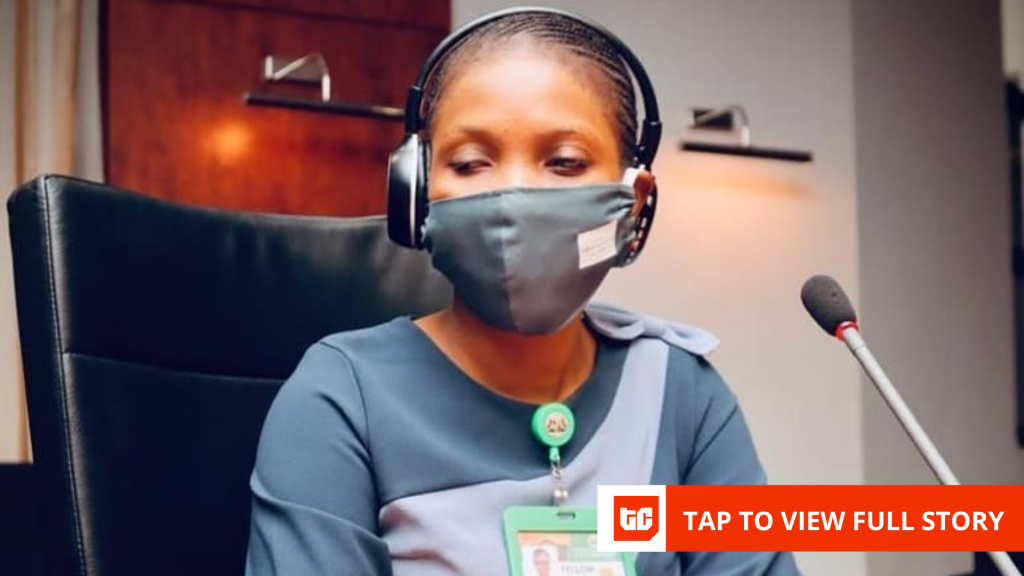
Omolara Daniel, a blind Nigerian entrepreneur, has built a business creating natural spices, cereals, and snacks entirely from home. Despite losing her sight, she refused to let disability limit her ambitions, turning to artificial intelligence as a creative partner to produce visual content for her brand.
What Happened
Daniel describes designs in vivid detail to AI tools like Claude and Gemini, generates images, asks the tool to describe what it produced, and iterates until the description matches her mental picture. She runs her business single-handedly, handling production, sales, and marketing. She uses a talking scale, a milling machine, and AI-assisted design to manage every stage. For video projects, she generates scenes individually in Veo 3, assembles them in Microsoft Clipchamp, and relies on friends or clients for final review. She has experimented with various AI subscriptions, abandoning those without screen reader support, and now works primarily from a laptop where she can navigate efficiently. What started as a need to market her products has become a side hustle creating logos, flyers, and videos for other businesses, all while proving she can operate independently.
- AI tools can empower blind creators when paired with detailed, intentional prompting.
- Software accessibility is as critical as functionality for disabled users adopting new tools.
- One person can manage production, marketing, and design independently with adaptive technology.
- Sighted reviewers help validate visual output, but the creator drives the vision.
- Skills in AI-assisted design transfer across roles and future work environments.
Why This Matters
Daniel's journey highlights how AI can bridge accessibility gaps when used with intentional prompting and the right tools. Her story challenges the assumption that visual work is impossible without sight, showing that with clear mental models and the right technology, blind creators can produce professional-grade content. It also underscores the importance of accessible software interfaces in tech adoption for people with disabilities, and demonstrates that independence in creative work is possible even in traditionally visual fields.
Key Takeaways
- AI-powered prompting enables blind creators to generate visual content independently.
- Software accessibility is as critical as features for disabled users adopting new tools.
- A single operator can oversee production, marketing, and design with adaptive technology.
- Sighted reviewers help validate visual output, but the creator directs the vision.
- Skills in AI-assisted design transfer across roles and future work environments.
Conclusion
Omolara Daniel's experience shows that technology, when thoughtfully used, can level the playing field for entrepreneurs with disabilities. Her ability to harness AI for visual design while running a full-scale food business proves that independence is achievable, and the skills she's built will serve her in any future workplace. As AI tools become more accessible, stories like hers pave the way for a more inclusive digital economy.

Discussion
Join the conversation
Thoughtful reactions, questions, and follow-up ideas help shape the next story.