Introduction
AI-powered tools are reshaping how creators approach visual content, especially when speed and flexibility matter. Combining an autonomous agent with a browser-based editor opens new possibilities for rapid prototyping without sacrificing control.
What Happened
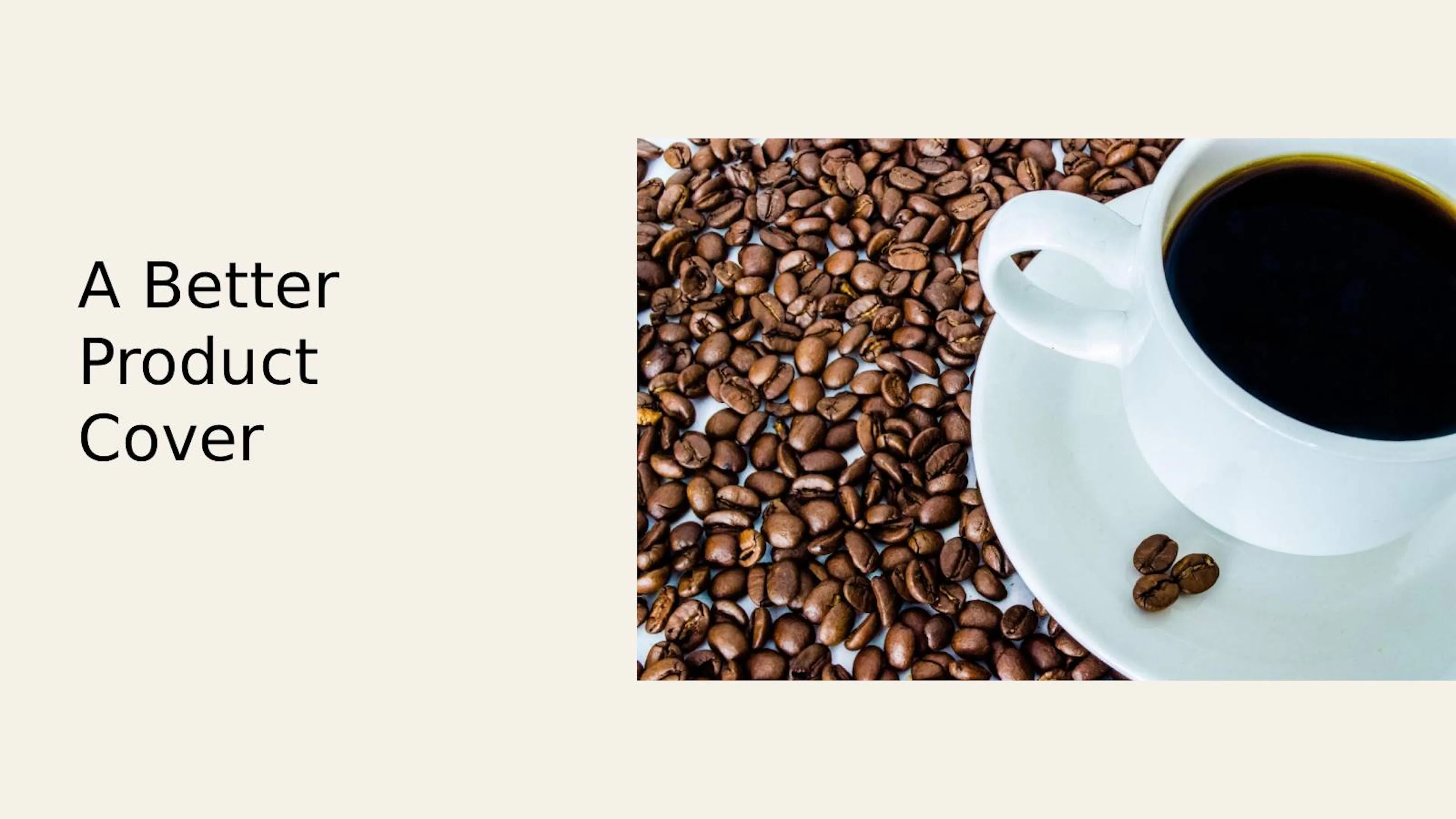
A hands-on session paired Codex with Photopea to convert a public-domain coffee photograph into a blog-ready cover. The AI agent managed menu selections, dimension adjustments, and layer arrangements, while the human operator confirmed the final download and verified the exported files.
Why This Matters
This workflow demonstrates a practical division of labor: AI handles the mechanical steps of resizing, positioning, and basic compositing, while the creator retains authority over the brief, platform specifications, and final quality check. It's a model that fits creators who want to delegate routine edits without losing oversight.
Key Takeaways
- Distinguishing canvas expansion from image stretching preserves original proportions and avoids distortion.
- Separate layers for photo, text, and background enable quick revisions without reconstructing the entire layout.
- Human confirmation remains essential at the download stage, especially when browser automation times out.
- Choosing a source image with adequate margin prevents unwanted cropping on different display sizes.
- Smart Objects would preserve source data for future edits, though they weren't used in this particular run.
Conclusion
The exercise shows that AI-assisted editing can produce usable, editable assets quickly, provided the user defines the scope, verifies the output, and applies judgment where it matters most. For creators managing multiple platforms, this approach offers a pragmatic bridge between automation and intentional design.


Discussion
Join the conversation
Thoughtful reactions, questions, and follow-up ideas help shape the next story.