Introduction
The way you arrange your furniture shapes how a room feels. A common layout mistake can make even a spacious living room feel hollow and disconnected.
What Happened
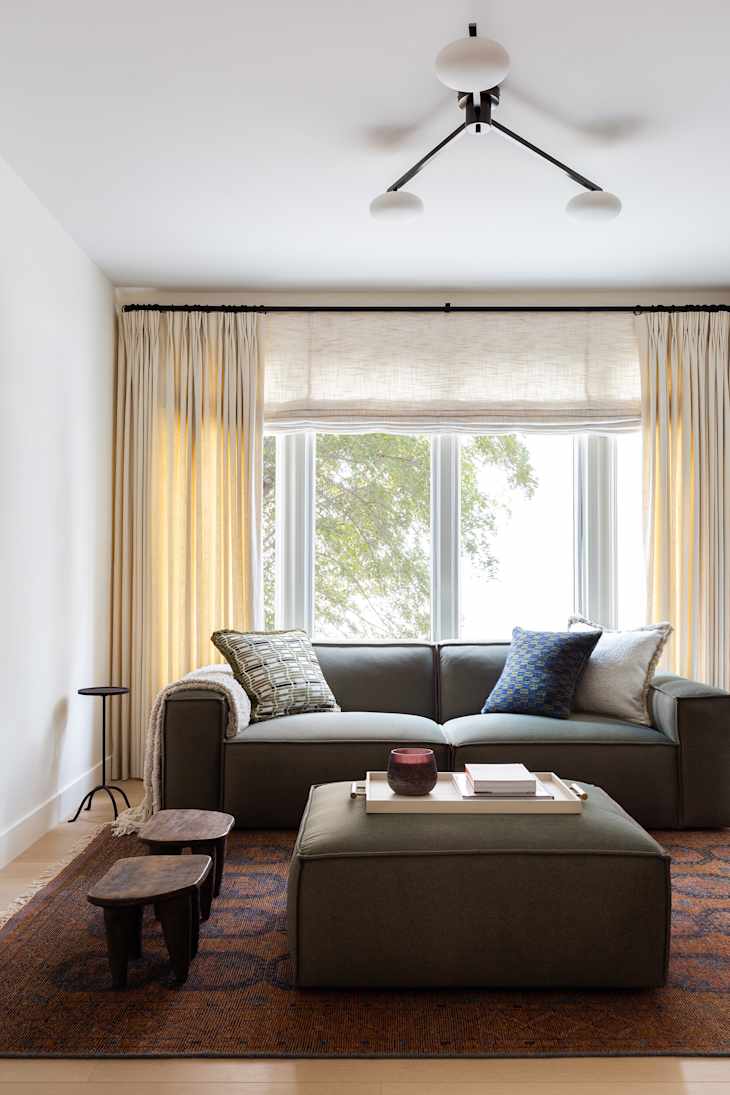
Interior designers warn against pressing every piece of furniture flush against walls. When a sofa, chair, or table sits on the room's edge, it creates a large unused void in the center. This creates a hollow space that draws the eye and disrupts the room's flow, a common misstep easily fixed with thoughtful tweaks.
Why This Matters
Furniture placement affects how we experience a room psychologically. Designer Liad Schwartz notes the main reason people skip floating furniture is due to perceived space limits, but even a small shift yields big results. Pulling a sofa from the wall opens visual breathing room and can create unexpected storage. Neurodesign research shows humans are hardwired to scan for both enclosed and open spaces. Floating a sofa or console just a few inches from the wall creates room that signals safety and intention.
Key Takeaways
- Float at least one major piece-like a sofa or armchair-a few inches from the wall to remove the central void.
- Anchor the layout with a rug to define the space and make the arrangement feel intentional.
- Use the gap behind a floated sofa for hidden storage, such as leaning art, books, or a slim console table.
- Even a small adjustment can transform how a room feels, adding function and flow.
Conclusion
Rethinking furniture placement is one of the simplest ways to refresh a living room without a full redesign. By pulling pieces away from walls and anchoring them thoughtfully, you create a space that feels larger, more inviting, and distinctly yours.



Discussion
Join the conversation
Thoughtful reactions, questions, and follow-up ideas help shape the next story.