Introduction
Moving from built-in wooden shelving to standard wire shelves can feel like a downgrade. The open-grid design is affordable and simple to install, but it comes with real frustrations: narrow items slide through the gaps, stacks of folded sweaters collapse, and the single rod leaves awkward empty space. The good news is that you don’t need to tear out the existing system to get a functional closet. With a few targeted accessories and smart placement, wire shelving can hold just as much as a custom setup.
What Happened
Professional organizer Mary Cornetta recently made that exact switch in her own home. After years of working with custom closets, she found herself in an apartment with basic wire shelving and quickly noticed the limitations. Small accessories disappeared between the wires, piles of jeans and sweaters kept toppling over, and the standard shelf-and-rod configuration wasted vertical space. Rather than replace the entire system, she tested a series of low-cost upgrades that made the shelves far more practical. Her approach shows that a wire closet can work beautifully with the right additions.
Why This Matters
Replacing a closet system is expensive and often impractical for renters or anyone on a budget. Wire shelving is common in apartments and older homes, so knowing how to work with it—rather than against it—saves time and money. These adjustments also protect clothing and accessories from damage caused by slipping, crushing, or poor airflow. A well-organized wire closet makes daily routines faster and helps you see exactly what you own.
Key Takeaways
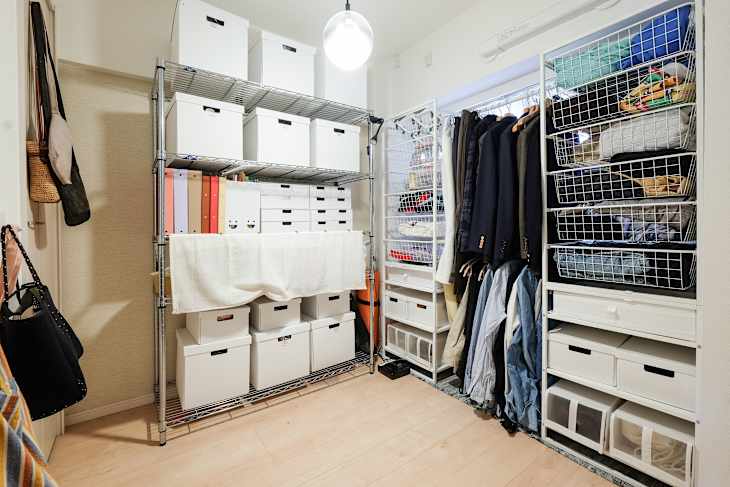
- Clip on shelf dividers. Dividers that attach directly to wire shelves keep stacks of sweaters, jeans, handbags, and hats from toppling into one another. Measure your shelf depth and height before buying, then group items by category between each divider.
- Add a second hanging rod. If shorter garments leave empty space below, a double-hang rod creates room for skirts, shorts, or folded pants. Confirm that your current system can support the extra weight before installing.
- Lay down shelf liners. A liner made for wire shelving creates a smooth surface so shoes, small accessories, and folded pieces won’t slip through the gaps. Look for styles with locking tabs so they stay put.
- Move shoes upward. Stackable shoe racks or compact organizers on an upper shelf get footwear off the floor. Reserve this spot for shoes you wear less often, and check the shelf’s weight limit first.
- Hang fabric cubbies. A fabric organizer looped over the closet rod adds cubbies for jeans, caps, or shoes without requiring new hardware. Some versions include drawers for socks and underwear.
- Use matching bins. Coordinating rectangular bins corral belts, clutches, shapewear, and other awkward items. Handles make them easier to pull down from high shelves.
- Slide in a narrow dresser or cubby unit. Unused space beneath a shelf can house a small dresser or bookshelf for extra drawer space. Measure carefully so you don’t block access to the rest of the closet.
- Stack containers above the top shelf. Clear-front or open-front bins use overhead space for seasonal bedding, off-season clothing, or sentimental items you don’t need daily.
Conclusion
Wire shelves don’t have to mean cluttered piles and lost accessories. By adding dividers, liners, bins, and smart vertical storage, you can turn a basic wire system into a closet that feels custom. Start with one or two changes that solve your biggest pain point, measure carefully, and build from there. With a little planning, even standard shelving can stay neat, accessible, and fully functional.
Discussion
Join the conversation
Thoughtful reactions, questions, and follow-up ideas help shape the next story.