Introduction
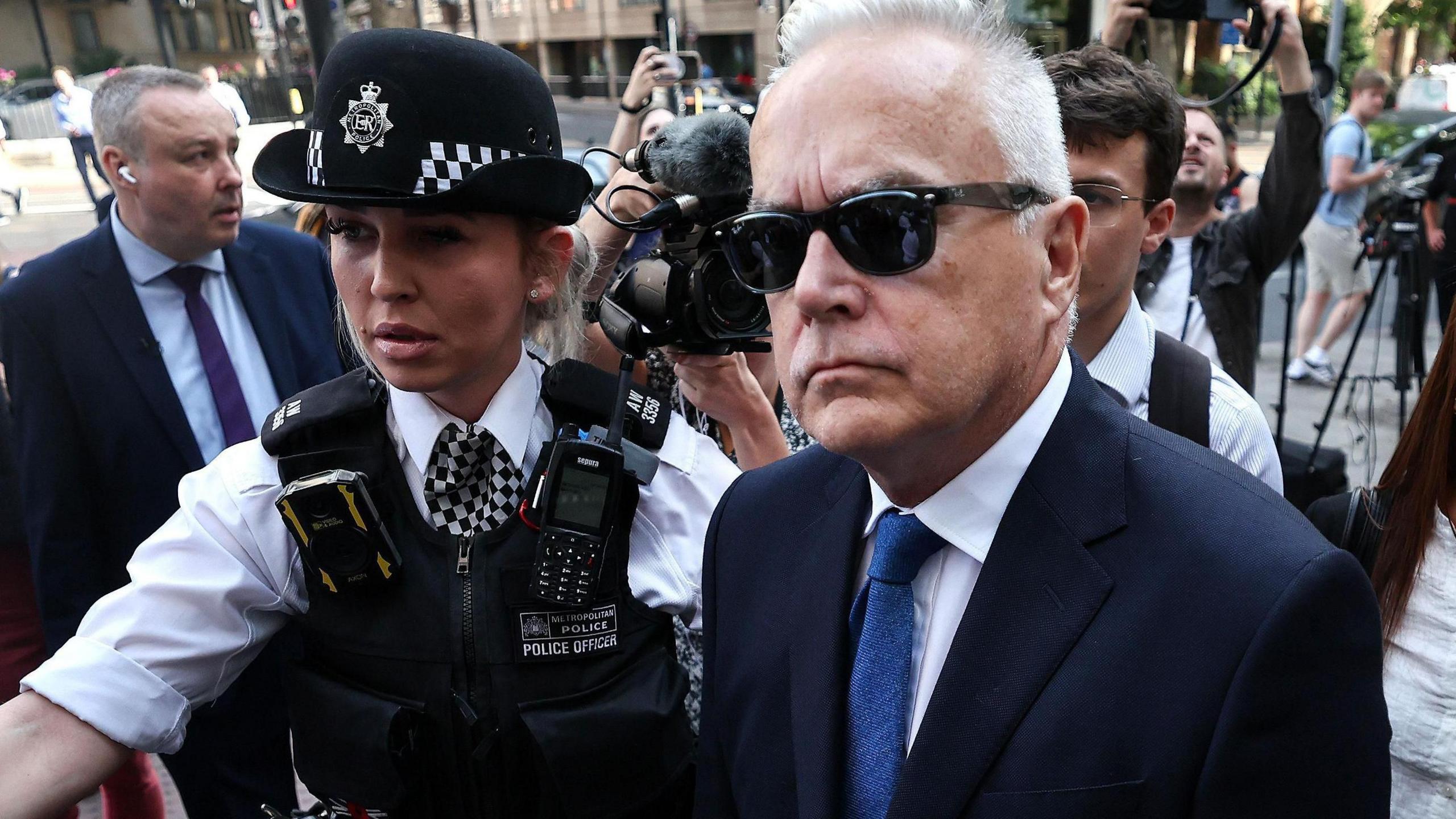
Huw Edwards, once the BBC's most prominent news anchor, has broken his silence for the first time since his 2024 conviction involving indecent images of children. The former broadcaster has spoken to both a newspaper podcast and a television documentary, drawing sharp reactions from politicians, campaigners, and members of the public.
What Happened
Edwards admitted in July 2024 to three charges of making indecent images of children and received a suspended six-month prison term. Court proceedings revealed that 41 images had been sent to him through WhatsApp, with some depicting a child between the ages of seven and nine.
More than two years later, Edwards granted interviews to the Observer's Tortoise Investigates podcast and to Channel 4 for a film titled Huw Edwards - Guilty, directed by Patrick Forbes. In excerpts, he described silence as "toxic" and said he had been advised to say nothing. When pressed about his actions, he reportedly replied that he had "lost the plot" and later pushed back against an interviewer, saying "no, not come on."
Writing on his own blog, Edwards stated that he answered every question honestly, including topics about his personal life, and said he wanted to correct what he described as misleading or untrue accounts.
Why This Matters
The decision to give Edwards a platform has reignited debate about how convicted public figures are treated by media outlets. A government minister, Anna Turley, told LBC that she was "deeply uncomfortable" with the interviews and argued that people in the spotlight have too often received a "free pass."
Critics also include two individuals who previously told the BBC about alleged inappropriate behavior by Edwards. Neither was connected to the criminal case. One described it as "incredibly bizarre" to platform a convicted sex offender, while another said they were disgusted by the air time. Journalist Rosamund Urwin pushed back on descriptions of Edwards's situation as a mere "fix," calling it a euphemism for viewing abuse images involving very young children.
Channel 4 and the Observer said Edwards received no payment and had no editorial control over the programs. Tortoise Media, which owns the Observer, noted that the podcast would not be distributed through BBC Sounds despite an existing partnership between the organizations.
Key Takeaways
- Huw Edwards pleaded guilty in 2024 to three counts of making indecent images of children and was given a suspended sentence.
- He has now given his first interviews since the conviction, appearing in a Channel 4 documentary and a Tortoise Investigates podcast.
- Edwards said he wanted to correct narratives he believed were false or misleading.
- A government minister and several critics have condemned the decision to give him a platform.
- Both broadcasters involved stated that Edwards was not paid and had no editorial input.
Conclusion
Edwards's return to the public eye has proven deeply divisive. While he says he is setting the record straight, critics argue that a convicted offender should not be given prominent media space. As the documentary and podcast reach audiences, the broader questions about accountability, redemption, and the responsibilities of broadcasters are likely to remain unresolved.
Discussion
Join the conversation
Thoughtful reactions, questions, and follow-up ideas help shape the next story.