Introduction
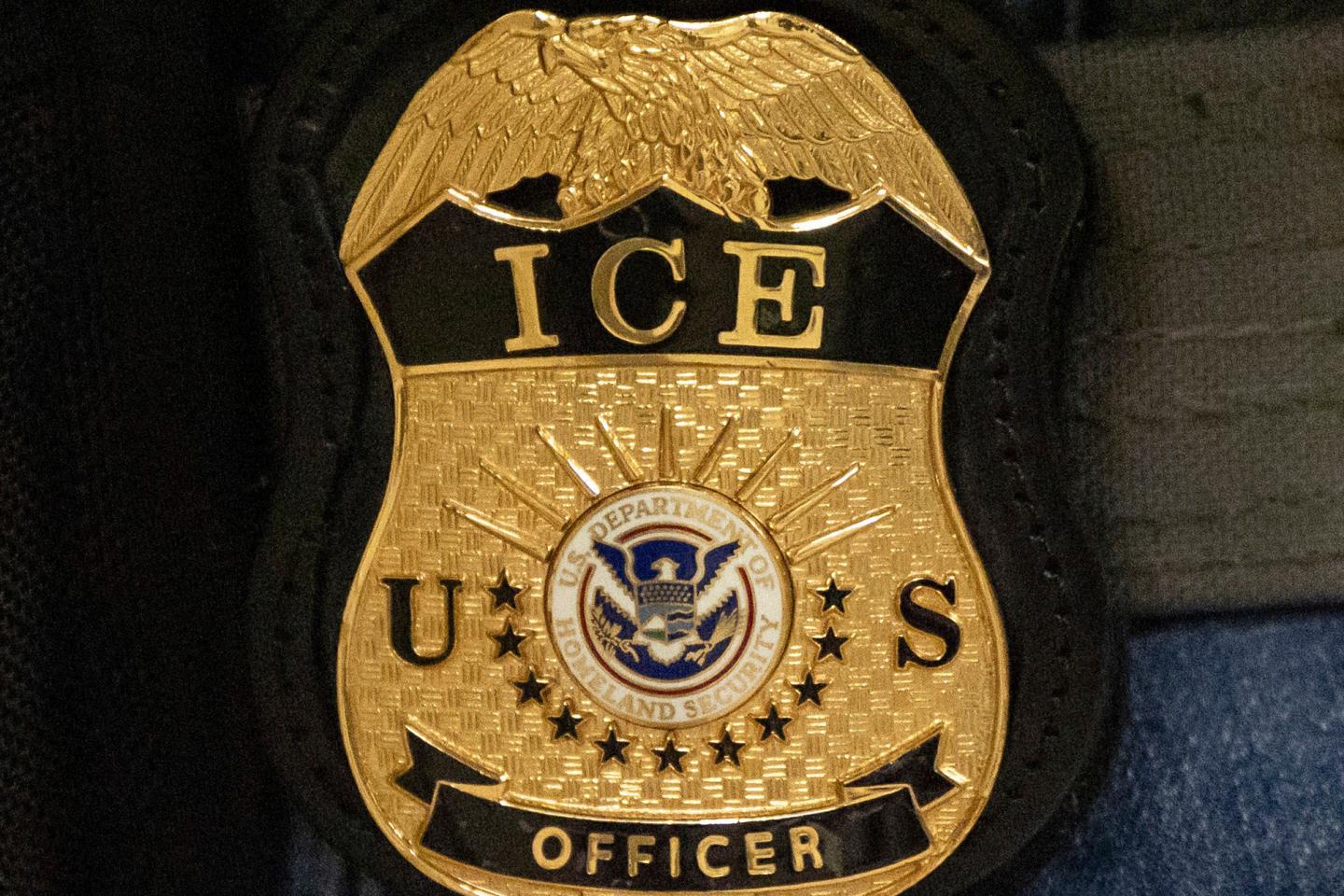
The latest immigration enforcement actions across Texas, Kansas, and Oklahoma are sending shockwaves through the meatpacking sector, as heightened federal operations disrupt labor pipelines and threaten millions in revenue for an industry already navigating tight margins.
What Happened
Industry associations including the Texas Cattle Feeders Association, Oklahoma Cattlemen's Association, and Kansas Livestock Association jointly raised alarms, reporting that recent U.S. Immigration and Customs Enforcement operations have caused widespread employee absences and operational slowdowns. The groups say ICE activity has delayed the shipment of thousands of cattle, halted processing at feedlots and dairy plants, and created bottlenecks at transportation hubs across the three states. In Kansas, some of the largest processing centers in Dodge City, Liberal, and Garden City were forced to temporarily shut down lines and return livestock to feedlots, a move that raises both animal health concerns and financial losses.
Department of Homeland Security officials confirmed their presence in Kansas but emphasized they are not conducting worksite raids. DHS Secretary Markwayne Mullin stated the focus is on targeting serious criminal figures, though he did not provide a specific arrest count. Community members and advocacy groups report a different reality, with increased federal officer sightings prompting fear and absences in immigrant-heavy neighborhoods.
Why This Matters
The ripple effects extend beyond immediate operational headaches. With beef prices already at record highs due to the smallest national herd in 75 years, any disruption to processing capacity risks further pushing costs onto consumers. The situation is particularly acute in counties where voters leaned heavily toward former President Trump in the last election, yet Republican senators such as Roger Marshall and Jerry Moran have voiced concern, urging federal officials to coordinate more carefully with local authorities and ensure warrants are reserved for individuals with criminal histories. Data from recent ICE actions suggest that over half of those arrested in July faced no criminal charges, a detail that has fueled criticism from livestock groups calling for more transparent, targeted enforcement.
Beyond the balance sheet, the human impact is significant. Community organizers in Dodge City report that cleaning crews have stopped showing up, plants have closed temporarily, and families are living in fear, children crying because parents have been taken, and mothers unsure of how to provide for their households. These effects underscore how immigration policy intersects with agriculture create real-world consequences for everyday workers and consumers alike.
Key Takeaways
- ICE enforcement in key cattle-producing states has triggered labor shortages and shipment delays costing the meatpacking industry millions in lost revenue.
- Several major processing facilities in Kansas temporarily halted operations, forcing cattle back into feedlots and raising animal health and financial concerns.
- Federal data indicates a significant portion of recent ICE arrests did not involve individuals facing criminal charges, prompting livestock groups to demand more transparent, targeted actions.
- Political reactions are split: while some Republican lawmakers support the operations, others are urging better coordination to avoid unintended economic fallout.
- Consumers may feel the impact through sustained or increased beef and dairy prices if processing disruptions persist.
Conclusion
As immigration enforcement continues to intersect with critical agricultural supply chains, the meatpacking industry and the communities that depend on it face an uncertain short-term outlook. Stakeholders are watching closely to see whether federal adjustments will address the labor disruptions without further destabilizing an already tight market. For consumers, the takeaway is clear: when production lines slow, the cost often trickles down to the grocery aisle.



Discussion
Join the conversation
Thoughtful reactions, questions, and follow-up ideas help shape the next story.