Introduction
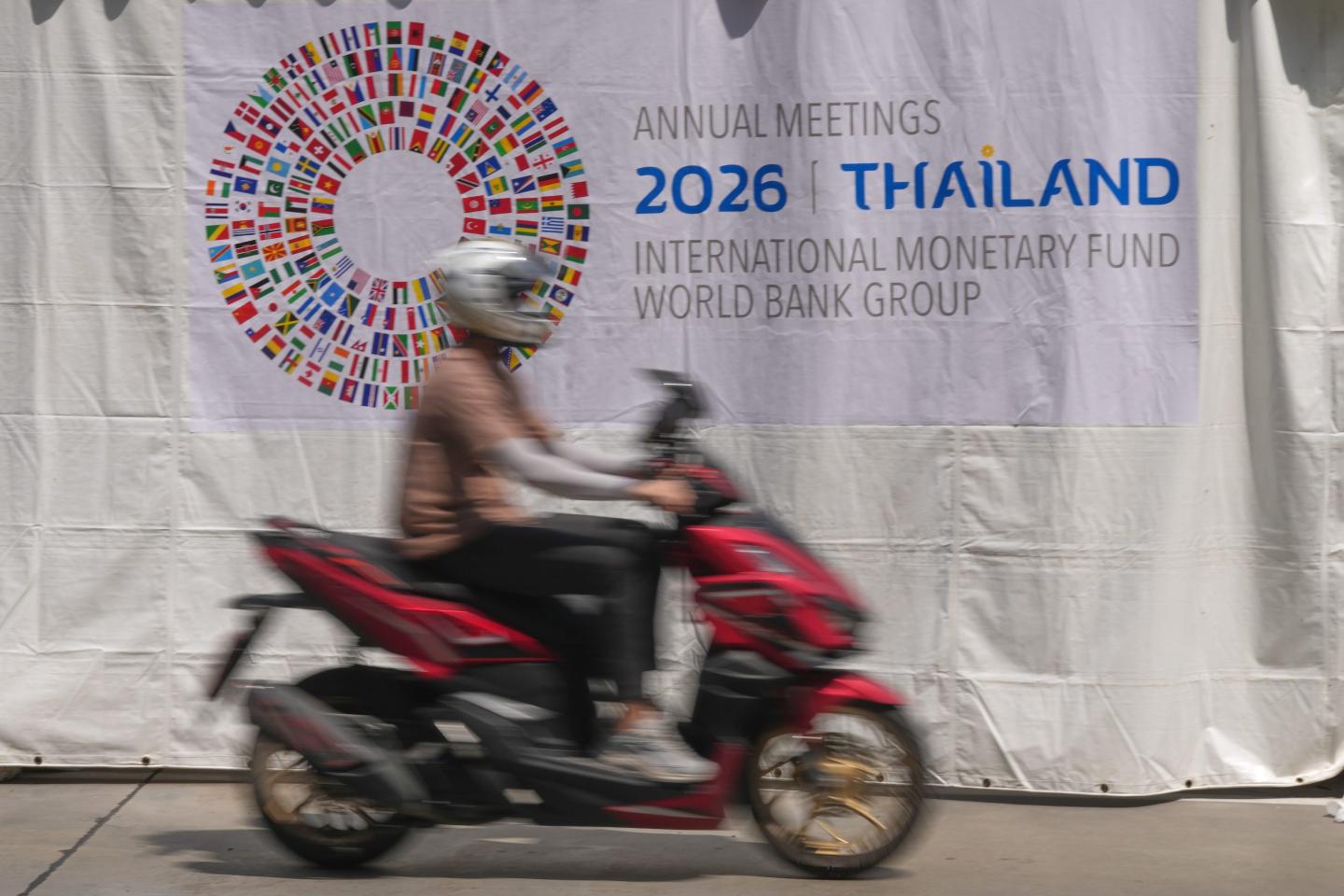
The International Monetary Fund has slightly upgraded its outlook for the world economy in 2026, adjusting global growth to 3.1 percent while flagging widening gaps driven by artificial intelligence and mounting debt. The forecast comes as finance leaders gather in Bangkok for the fall meetings of the IMF and World Bank, with the report highlighting how AI and energy dynamics are reshaping the recovery.
What Happened
IMF economists project the global economy to expand at a 3.1% pace this year, up from a July forecast of 3.0% and well below the 3.5% seen in 2025. Growth in 2027 is expected to rebound to 3.4%. The United States is forecast to hold steady at 2.3% growth across both 2026 and 2027, while advanced economies collectively see 2.1% expansion this year, slowing to 1.9% next year. Global inflation is seen at 4.7% in 2026, easing to 4.1% in 2027, based in part on a nearly 41% rise in oil prices to an average of $96 per barrel. The outlook also assumes oil and gas shipments through the Strait of Hormuz will resume by March, and that the AI demand boom will moderate.
Why This Matters
Perhaps the most striking finding is that just 32 countries now account for 95% of global growth, a significant drop from 54 countries in April. This reallocation reflects the uneven impact of war-induced supply shocks and AI-related demand strength. The IMF warns that an AI-related stock market correction, rising bond yields, and cyberthreats to financial systems represent ongoing risks. Managing Director Kristalina Georgieva highlighted that AI could affect roughly 40% of jobs globally, either by augmentation, downgrading, or elimination, calling it a slow moving tsunami, but a tsunami nonetheless. Debt remains a central concern. The IMF urges countries to strengthen fiscal positions, especially as borrowing costs stay high. Developing economies and emerging markets, more exposed to higher oil and gas prices, are expected to grow at 3.7% in 2026, down from 4.5% in 2025, with a projected rebound to 4.4% in 2027. The situation is particularly tight in the Middle East and Central Asia, where economies are forecast to contract this year before recovering to a 6.3% growth rate in 2027. The euro area is seen growing just 1.1% in 2026 and 1.2% in 2027, while China is expected to expand 4.5% and India 7%, both down from prior years.
Key Takeaways
- Global growth is projected at 3.1% in 2026 and 3.4% in 2027, marking a modest upgrade from earlier forecasts.
- Just 32 countries deliver 95% of global expansion, signaling a sharply concentrated recovery.
- AI is a dual-edged sword: driving productivity gains while concentrating wealth and disrupting labor markets.
- Developing economies face slower growth, with 2026 seen at 3.7%, down from 4.5% the previous year.
- The eurozone stagnation persists at 1.1% in 2026 and 1.2% in 2027, reflecting limited momentum.
- China and India, while still leading emerging growth, see moderation to 4.5% and 7% respectively.
- Policy focus is shifting toward debt reduction, inclusive AI adoption, and energy resilience.
Conclusion
The IMF's latest Economic Outlook paints a picture of a global economy at a crossroads, where AI, energy, and debt are the primary levers determining who gains and who falls behind. Policymakers are urged to act swiftly on fiscal resilience and inclusive technology strategies to ensure the recovery broadens rather than narrows. As the organization's leadership emphasized, the path forward depends on turning concentrated growth into widespread prosperity.







Discussion
Join the conversation
Thoughtful reactions, questions, and follow-up ideas help shape the next story.