Introduction
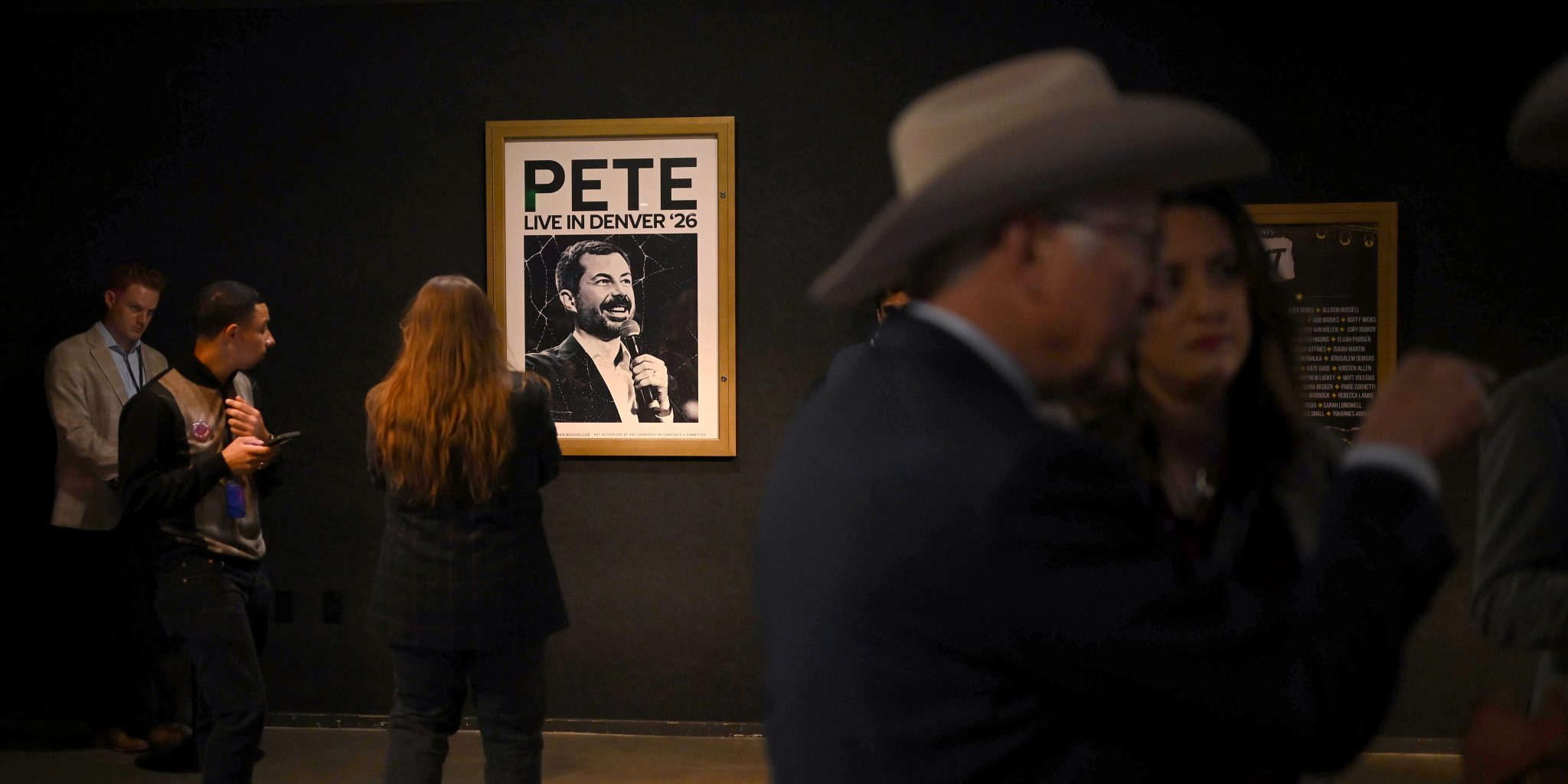
Following the 2026 midterm elections, a cross-section of Democratic strategists, elected officials, and potential presidential contenders gathered in Denver for a private strategy event called the What's Next summit. Held at the Mission Ballroom in the city's River North district, the two-day conference was framed as a rehearsal for the 2028 cycle. Yet beneath the talk of party unity and big-tent politics, the gathering exposed a growing rift between party insiders and the voters and activists waiting outside.
What Happened
The summit was organized by Majority Democrats, a political action committee and super PAC backed by hedge fund investor Stephen Mandel and his wife, Sue, with support from the Searchlight Institute, a centrist think tank linked to former John Fetterman aides. Speakers included former Transportation Secretary Pete Buttigieg, Sens. Elissa Slotkin of Michigan, Ruben Gallego of Texas, Cory Booker of New Jersey, and Chris Van Hollen of Maryland, along with Pennsylvania Gov. Josh Shapiro and House Minority Leader Hakeem Jeffries.
Lis Smith, a veteran Democratic strategist who has worked on Buttigieg's and Andrew Cuomo's campaigns, told attendees to prioritize pocketbook issues. She urged Democrats to center their message on affordability and holding the Trump administration accountable, while cautioning that political retribution should not come before lowering costs. She also insisted Majority Democrats is not a centrist group, but rather an alternative to the stale establishment she described.
The conference was not without disruption. A Federal Aviation Administration ground stop snarled air travel nationwide, stranding attendees including Sen. Raphael Warnock, who said he was removed from a canceled flight. On the main stage, protesters interrupted an interview between Jeffries and Fox News commentator Jessica Tarlov, shouting demands for Medicare for All and an arms embargo. Outside, demonstrators from Indivisible and the Sunrise Movement displayed banners opposing a Schumer leadership coronation and calling for a Green New Deal. Retired teacher Tammy Butters told reporters that accountability and affordability should not be treated as separate priorities.
Meanwhile, Van Hollen announced he would challenge Sen. Chuck Schumer for Senate Democratic leadership, dropping a potential 2028 presidential bid in the process. Critics inside and outside the room, including Florida organizer Shelby Green, pointed to a lack of Black women on the main stage and argued the party underinvested in candidates such as Angie Nixon, who narrowly lost a Florida Senate race.
Why This Matters
The Denver event offered a rare window into how the Democratic establishment views its path forward. The emphasis on cost-of-living messaging suggests party leaders believe economic anxiety, not cultural issues, drove recent election results. At the same time, the visible discomfort with public dissent raises questions about whether the party can bridge the gap between its insider strategy sessions and the broader electorate.
The Van Hollen-Schumer contest adds another layer. A leadership fight in the Senate could shape the party's message and fundraising apparatus well before the 2028 primaries. With several potential presidential candidates using the summit to test stump lines, Denver functioned as an early proving ground for a post-midterm Democratic identity.
Key Takeaways
- Democratic strategists and 2028 prospects met in Denver for the What's Next summit to map out the party's future.
- Organizers urged a focus on affordability and accountability rather than retribution against the Trump administration.
- Sen. Chris Van Hollen launched a challenge to Sen. Chuck Schumer for Senate Democratic leadership.
- Protesters interrupted main-stage panels and gathered outside, demanding Medicare for All, an arms embargo, and a Green New Deal.
- Critics said the event sidelined Black women and progressive voices, highlighting internal diversity and ideological tensions.
- Travel disruptions from an FAA ground stop added chaos to the conference's final day.
Conclusion
The What's Next summit made one thing clear: Democrats are optimistic about their electoral prospects, but they remain divided on how to talk to the public. Whether the party can translate internal unity into a message that resonates beyond convention centers and airport lounges may determine its fortunes in 2028. For now, the strategists in Denver have a roadmap. The voters outside the ballroom will decide if it leads anywhere.
Discussion
Join the conversation
Thoughtful reactions, questions, and follow-up ideas help shape the next story.