Introduction
Early Monday, Israeli warplanes launched two airstrikes on a southern Lebanese village, resulting in at least 12 fatalities and numerous injuries. The attacks have reignited concerns about a fragile truce between Israel and Hezbollah, drawing fresh attention to the volatile border region.
What Happened
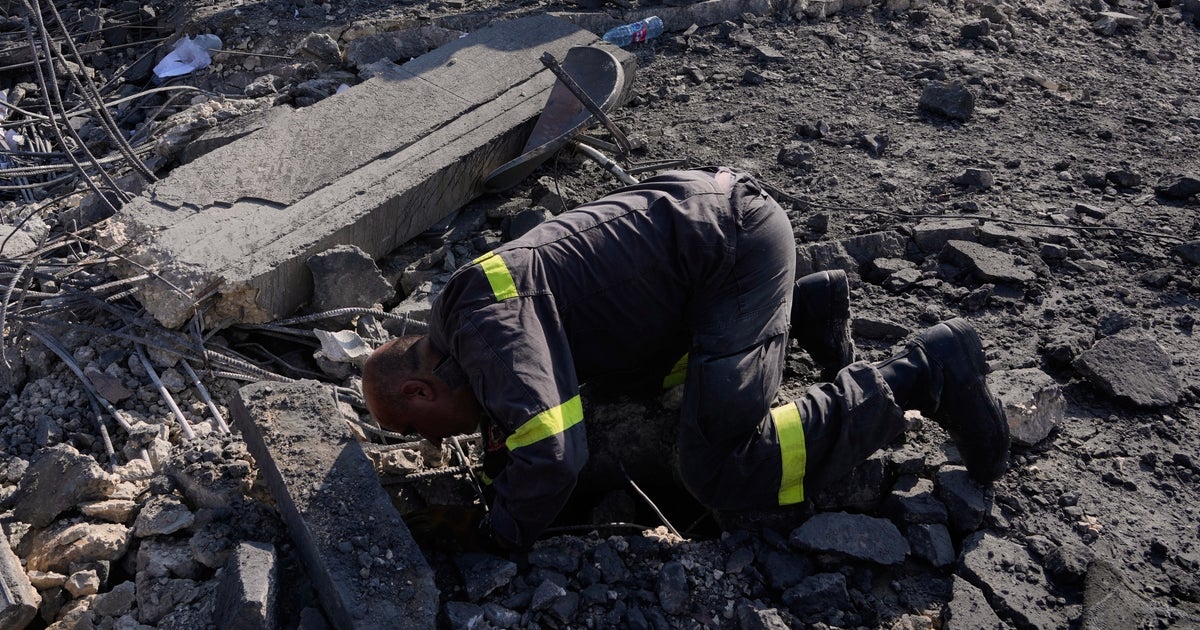
Lebanon's Health Ministry reported that one strike hit a residential building, killing 11 people including two children and four women, while wounding eight others, three of them children and a paramedic. A second strike targeted a vehicle in the same village, killing a paramedic with the Lebanese Islamic Risala Scout Association and injuring two others. The Israeli military stated the operations were retaliation for Hezbollah drone attacks that struck Israeli troops in the area, saying the targets included a militant attempting to transport weapons to Kfar Rumman. Rescue teams were seen searching through rubble for survivors, and residents described living in constant fear amid repeated shelling.
Why This Matters
The strikes occur amid a tenuous ceasefire brokered by the U.S., which was intended to pull back forces and disarm Hezbollah north of the Litani River. Israel has maintained it will not fully withdraw unless Hezbollah is disarmed across the country, while the group has refused to relinquish its weapons north of the river. With civilian casualties mounting and residents vowing to stay despite the danger, the episode highlights the fragility of the agreement and the human cost of ongoing border escalations.
Key Takeaways
- At least 12 people killed, including children, in two consecutive airstrikes on a southern Lebanese village.
- Israeli forces cited retaliation for Hezbollah drone attacks on military positions as the reason for the operation.
- The Health Ministry reported 11 deaths in one building strike and a separate fatality in a car strike.
- Residents of Kfar Rumman expressed resolve to remain despite ongoing fear and destruction.
- The attacks underscore the tenuous state of the U.S.-brokered truce and broader Israel-Hezbollah tensions.
Conclusion
As the region watches closely, the latest violence raises urgent questions about the durability of ceasefire agreements and the safety of civilians caught in the crossfire. With local leaders condemning the strikes as a massacre and residents refusing to leave, the situation along the Israel-Lebanon border remains precarious. Continued monitoring and diplomatic effort will be essential to prevent further escalation and protect civilian lives.



Discussion
Join the conversation
Thoughtful reactions, questions, and follow-up ideas help shape the next story.