Introduction
Nigerian security forces have continued intensifying operations against violent extremist networks in the Northeast, with recent engagements producing significant leadership decapitations. The latest action underscores the sustained pressure on ISWAP and related factions operating across Borno and surrounding states.
What Happened
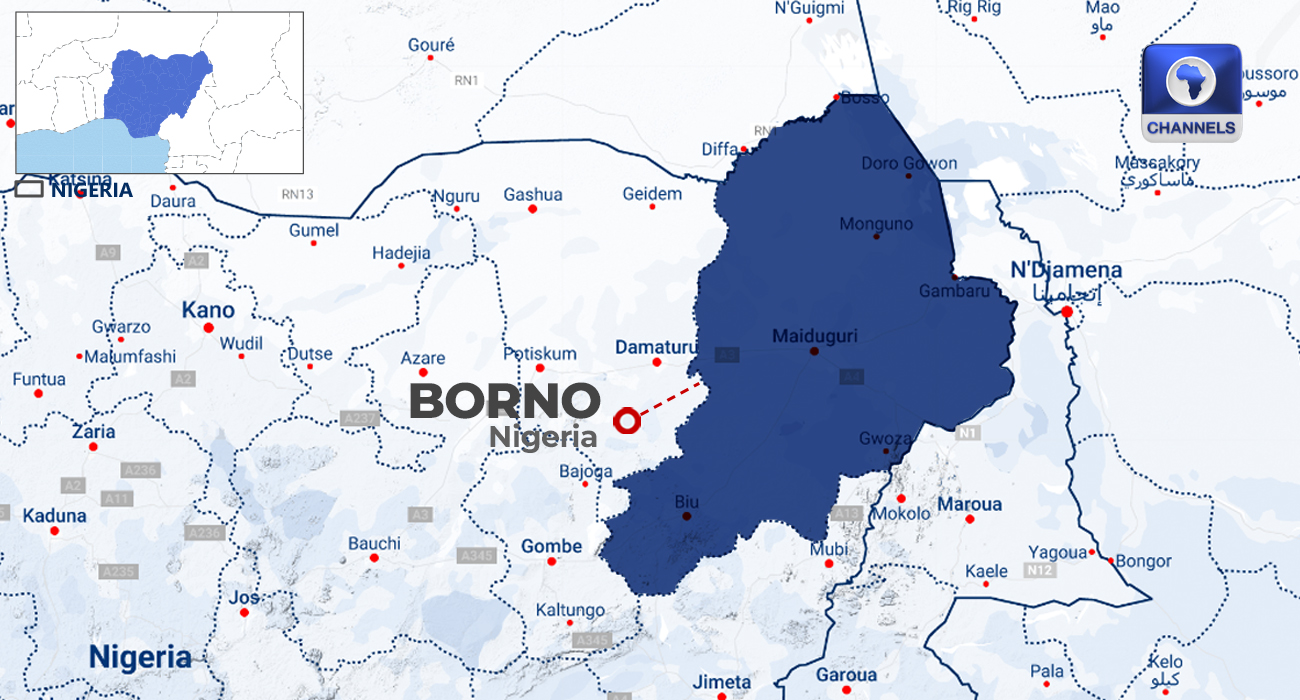
On October 31, 2026, troops of the Joint Task Force (North East), Operation HADIN KAI engaged ISWAP fighters in Kukawa, Borno State, killing several high-ranking operatives, including Abu Hajara, a member of the group's Shura Council, and Abul Walid, a prominent commander. Two additional Arab fighters were also eliminated during the encounter. According to a statement by Acting Media Information Officer Captain Mohammed Goni, the troops repelled a major ISWAP attack on their positions, with air support from the Operation HADIN KAI component. Following the engagement, forces recovered an assortment of weapons, ammunition, and communication devices.
Why This Matters
The elimination of Abu Hajara, Abul Walid, and other senior ISWAP fighters represents a significant blow to the group's command structure, particularly given Abul Walid's known association with Ba Shuwa, the overall Wali of ISWAP. The operation reflects the military's growing combat readiness and vigilance, demonstrating the effectiveness of coordinated ground and air efforts in degrading terrorist capabilities across the theatre. It also sends a clear message that sustained pressure on extremist networks remains a priority for the Theatre Command.
Key Takeaways
- Abu Hajara and Abul Walid, along with two other high-ranking Arab fighters, were killed in the Kukawa encounter.
- Troops recovered weapons, ammunition, and communication equipment following the engagement.
- The operation highlights the continued effectiveness of Operation HADIN KAI in disrupting ISWAP leadership and logistics.
- Military officials emphasize that ongoing operations aim to protect law-abiding residents and dismantle terrorist camps across the region.
Conclusion
The recent eliminations mark another step in the broader effort to weaken ISWAP's operational capacity in Northeast Nigeria. With leadership losses, recovered stockpiles, and persistent military pressure, the trajectory points toward further degradation of the group's capabilities. Security analysts will be watching closely as the Theatre Command continues its campaign to restore stability and protect communities.


Discussion
Join the conversation
Thoughtful reactions, questions, and follow-up ideas help shape the next story.