Introduction
For years, the Japanese yen has struggled to challenge the U.S. dollar's grip on international commerce. Even though it ranks behind only the dollar and the euro in global usage, the yen has not been able to match the depth and openness of American financial markets. A group of Japanese lenders now believes technology could offer the yen a new route to wider acceptance.
What Happened
Speaking at a Singapore roundtable on November 16, Tomoya Hasebe, who leads digital and innovation at Sumitomo Mitsui Banking Corporation, said the contest between currencies is increasingly a contest of software. He suggested that the money easiest to use as code may gain an edge over currencies backed only by policy or regulation.
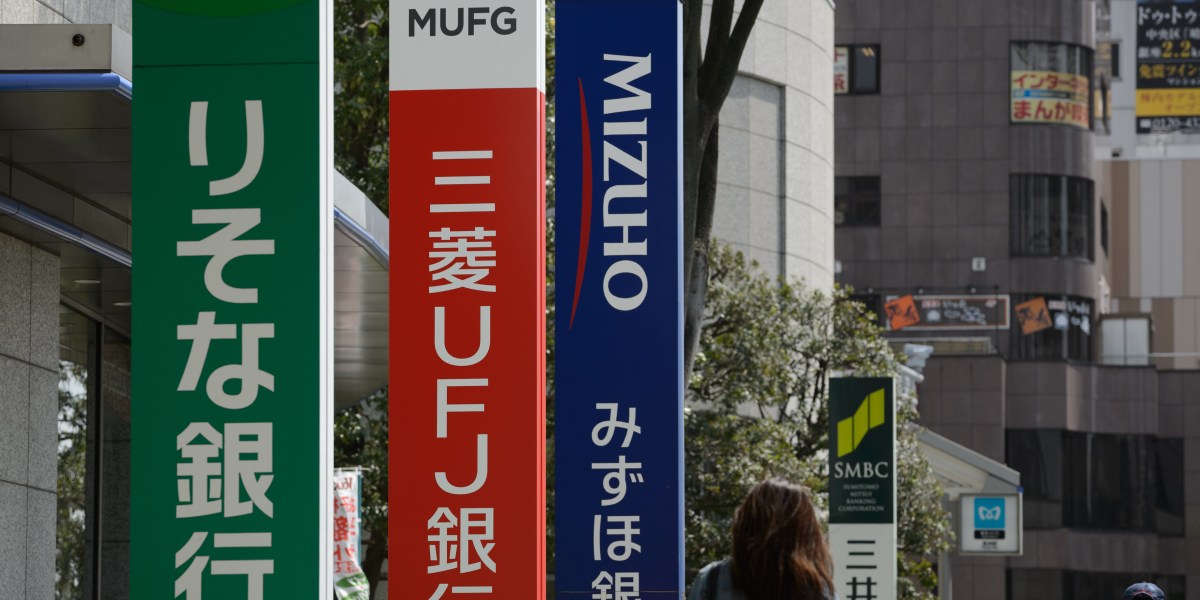
Mitsubishi UFJ Financial Group, Sumitomo Mitsui Financial Group, and Mizuho Financial Group are working together on a yen-backed stablecoin. The banks plan to start processing transactions in March, aiming to simplify cross-border settlements and increase the yen's appeal for global commerce.
Japan has positioned itself as the first G7 economy with a comprehensive stablecoin regulatory framework. Despite that head start, yen-pegged tokens have seen minimal circulation. Dollar-backed stablecoins represent more than 97 percent of the market, leaving yen-based alternatives with a small footprint.
Why This Matters
The effort is part of a wider Asian push to offer alternatives to dollar settlement. Hong Kong awarded its first two Hong Kong dollar-backed stablecoin licenses in April, going to HSBC and Anchorpoint Financial, a partnership involving Standard Chartered Bank, HKT, and Animoca Brands. Some market participants say businesses around the world are looking for ways to conduct trade without relying on U.S. dollars.
New entrants are joining established institutions. JPYC, a Japanese startup, released the nation's first yen-pegged stablecoin in October 2025. Makoto Shibata of Finolab, a fintech accelerator, noted that more private companies and startups are moving into the stablecoin sector.
Still, the path to adoption is uncertain. Yen-backed tokens face narrow profit margins, unlike dollar stablecoins that can generate returns from U.S. Treasury bills. JPYC, which dates back to 2019, has encountered growth constraints because users often exchange the tokens for conventional cash instead of keeping them in digital wallets.
Key Takeaways
- Japan's three megabanks plan to issue a joint yen-backed stablecoin starting in March.
- Bank leaders say currency dominance now depends heavily on how easily money can be used in software.
- Yen stablecoins currently make up a tiny fraction of the market compared with dollar-pegged tokens.
- Low margins and customer preference for cash could slow adoption of yen digital assets.
- Hong Kong and other Asian markets are licensing stablecoin issuers to capture more regional trade.
Conclusion
It remains to be seen whether Japan's banking consortium can turn the yen into a more globally competitive digital currency. The planned stablecoin is a tangible step in that direction, but its success will hinge on user adoption, regulatory support, and whether companies find the yen easier to program than to hold.
Discussion
Join the conversation
Thoughtful reactions, questions, and follow-up ideas help shape the next story.