Introduction
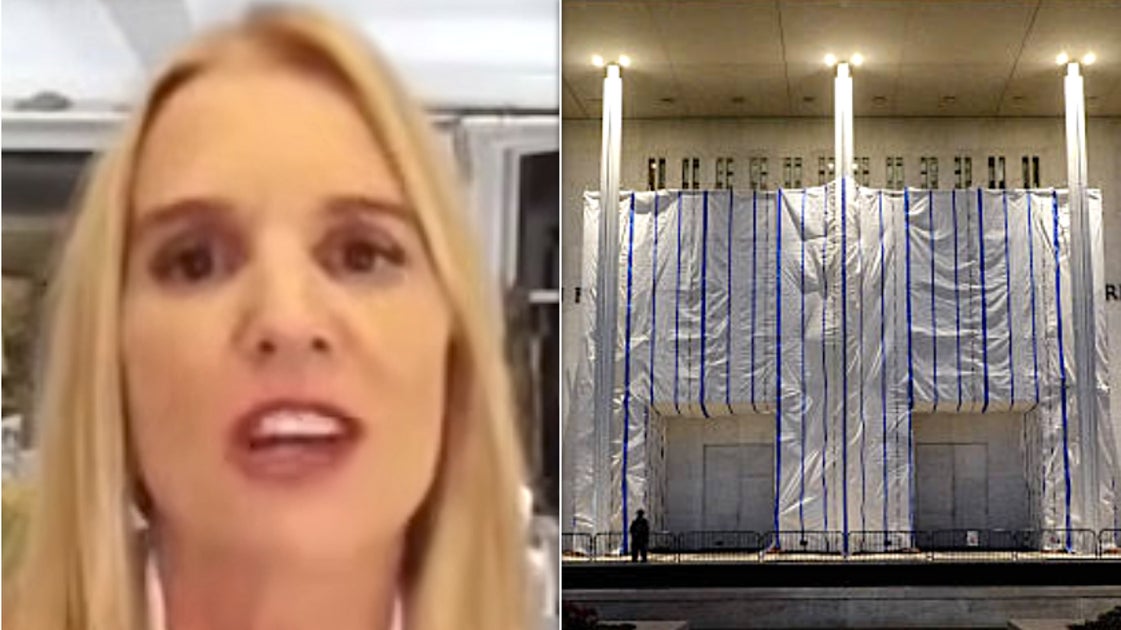
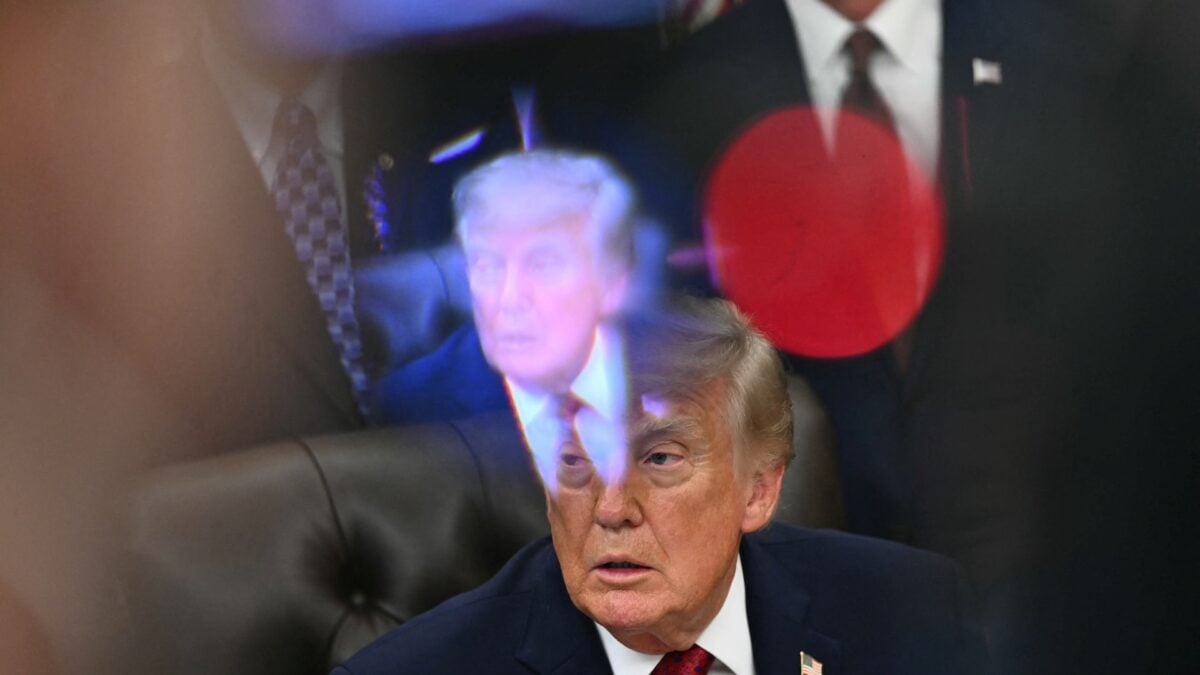
Kerry Kennedy, sister of Robert F. Kennedy Jr., recently made an impassioned plea on CNN, urging former President Donald Trump to stop targeting the Kennedy Center and focus on more pressing national issues. Her comments come as Trump pushes to rename the prestigious Washington, D.C., arts venue after himself, sparking a fierce public debate.
What Happened
A Trump-appointed board overseeing the Kennedy Center voted to temporarily close the venue, citing much-needed repairs. However, lawmakers had already set aside $257 million for those exact improvements, making the closure appear politically motivated. A federal judge recently blocked Trump’s latest attempt to officially rename the center, but the board pressed ahead with the shutdown, drawing sharp criticism from arts advocates and members of the Kennedy family.
Why This Matters
The clash highlights a broader pattern of using government influence to imprint a personal brand on public institutions. Kennedy’s forceful defense of the center—calling it “a tragedy” and noting that Trump has $250 million ready to hand over immediately if he gets his way—underscores how the fight is about more than architecture. It’s about whether a national arts landmark should become a political trophy, especially when families, artists, and everyday Americans are facing real financial strain.
Key Takeaways
- Kerry Kennedy publicly challenged Trump to prioritize real American struggles over symbolic gestures.
- The Kennedy Center already has federal funding earmarked for repairs, raising questions about the board’s motives.
- A judge has already rejected one of Trump’s rename attempts, but the board continues to push closure.
- The controversy reflects a wider tension between political branding and public cultural assets.
- Kennedy’s appeal urges leaders to protect institutions that unite communities rather than divide them.
Conclusion
As the Kennedy Center standoff continues, Kerry Kennedy’s vocal resistance reminds us that iconic cultural spaces deserve protection from partisan maneuvering. The situation invites a larger conversation about how elected officials and appointees prioritize public assets, and whether personal branding should ever come at the expense of America’s shared artistic heritage.

Discussion
Join the conversation
Thoughtful reactions, questions, and follow-up ideas help shape the next story.