Introduction
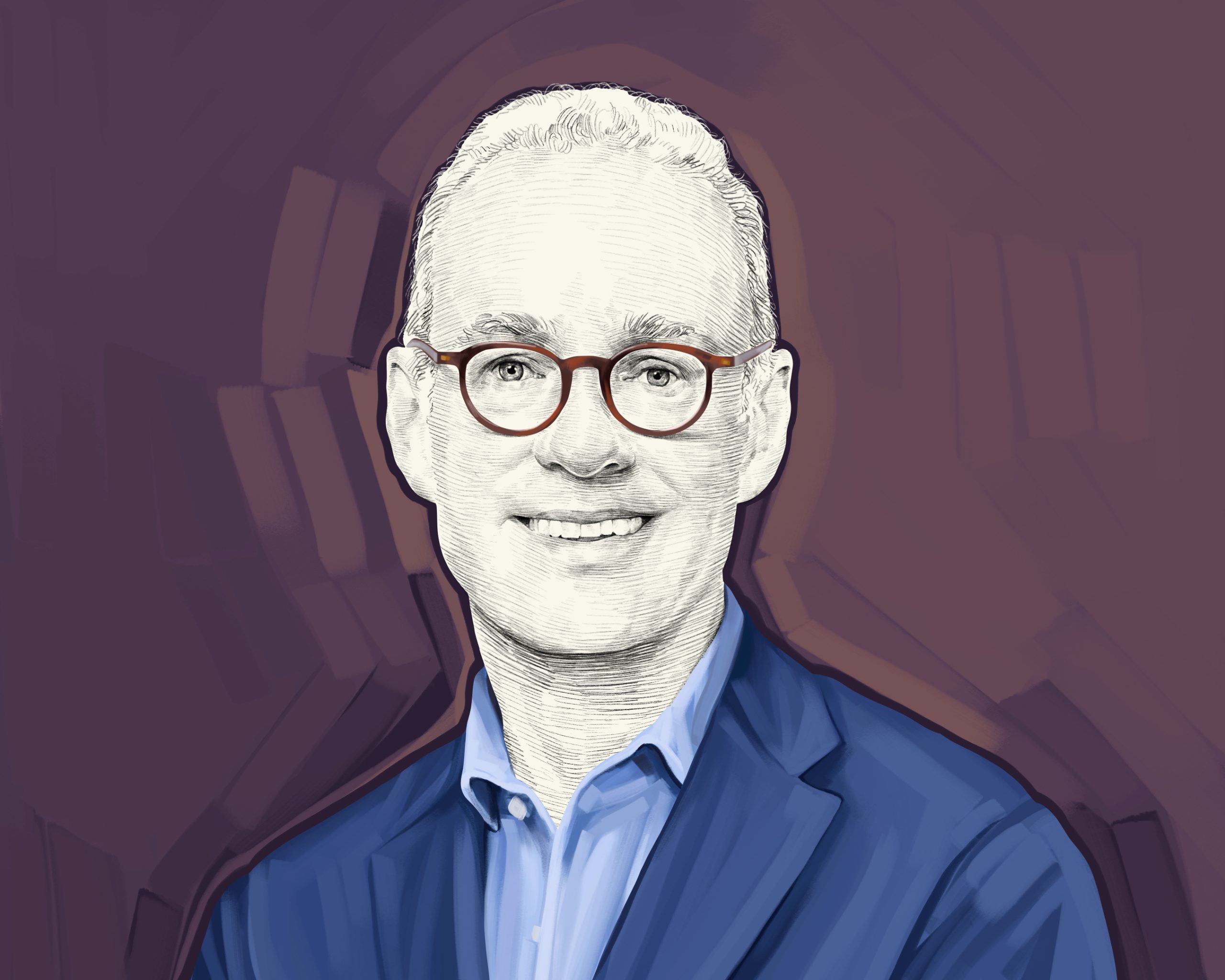
Kevin Ryan, one of New York's most prolific serial entrepreneurs, sits down with Tim Ferriss to discuss decades of company building, trend spotting, and the art of scaling ventures from concept to IPO. As the mind behind DoubleClick, MongoDB, Business Insider, and AlleyCorp, Ryan offers a rare insider's perspective on what it takes to identify lasting trends and avoid common pitfalls that sink even well-funded startups.
What Happened
Ryan's career spans from Yale economics and investment banking to co-founding DoubleClick, which he grew from a 20-person startup to a publicly traded company with over 1,500 employees before a $1.1 billion exit. He then launched AlleyCorp in 2007, a venture firm that has incubated and invested in companies including Gilt Groupe, Business Insider, 10gen (later MongoDB), Zola, and Nomad Health. Each venture followed a pattern of starting narrow, proving product-market fit, and scaling deliberately before moving to the next challenge. Highlights include MongoDB's 2017 NASDAQ debut, Gilt's eventual acquisition, and Ryan's recent moves into healthcare and deep tech through Transcend Therapeutics and AlleyCorp's third fund.
Why This Matters
Central to the conversation is Ryan's belief that building a company meant to last a decade requires looking past short-term hype and anchoring on structural, decade-long trends. He explains that 10-year thinking forces founders to evaluate what will exist in ten years that does not today, and to consider the ripple effects—who else benefits, who is disrupted, what infrastructure must shift. Ryan illustrates this with the YouTube example: recognizing that bandwidth costs would cross a threshold in the mid-2000s, he notes the founders who acted on that second-order insight built a $300 billion platform. The discussion also tackles why competitive moats matter, why Gilt's model eventually eroded, and how Ryan curates intimate events and trips to surface talent, ideas, and collaborations before they become obvious.
Key Takeaways
The interview distills into several actionable principles. First, bet on trends with genuine 10-year staying power, not six-month fads. Second, always ask what comes next—second-order thinking can reveal hidden value or warn of looming traps. Third, a sustainable moat isn't just about size; it is about durability and defensibility, as Gilt's story demonstrates. Fourth, the AlleyCorp model of building products for roughly six months, then raising capital with a proven prototype, proves effective when technical and business partners complement each other. Fifth, intentional event curation—whether small dinners or multi-day trips—remains one of the most underrated tools for spotting talent, ideas, and unexpected partnerships.
Conclusion
Kevin Ryan's journey from DoubleClick to AlleyCorp proves that pattern recognition, patience, and deliberate structure outperform luck every time. Whether you are chasing the next decade-defining trend or building a company meant to outlast its founders, the frameworks he shares—10-year thinking, second-order analysis, and intentional community building—offer a practical roadmap for anyone looking to leave a lasting mark on the tech and business landscape.

Discussion
Join the conversation
Thoughtful reactions, questions, and follow-up ideas help shape the next story.