Introduction
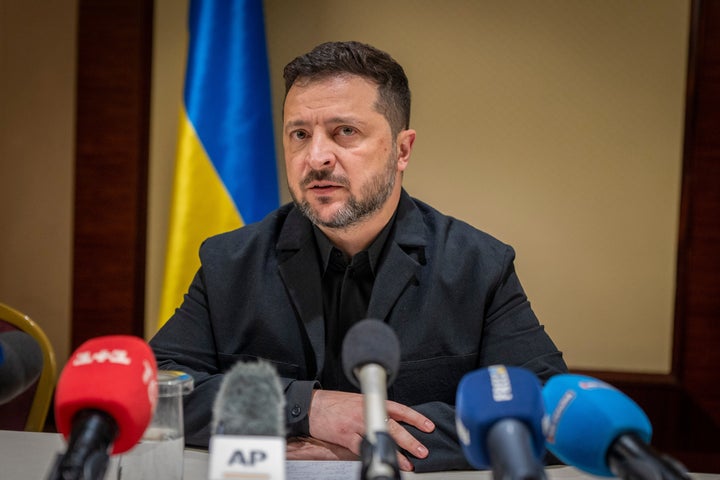
Kyiv remains defiant as President Volodymyr Zelenskyy rejects former President Donald Trump’s demand for a leadership change, even as drone strikes continue to target Russian infrastructure deep inside the country. The latest exchange highlights the growing tension between Washington and Kyiv as the war approaches its fifth year.
What Happened
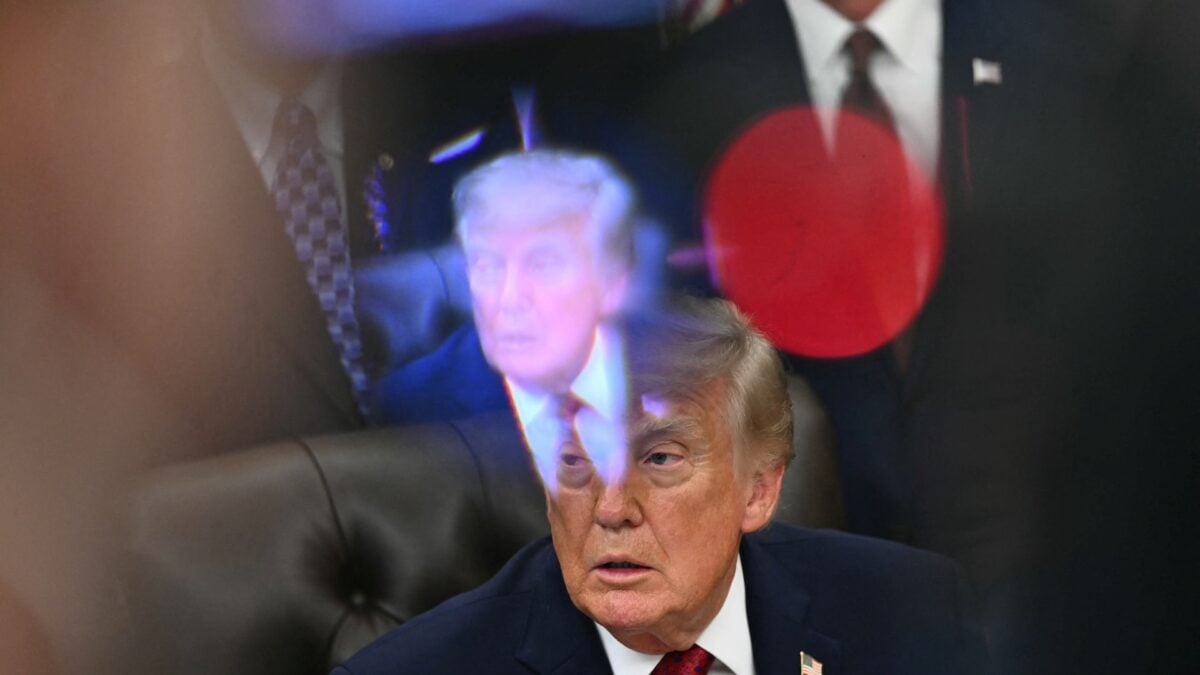
Trump sparked controversy by suggesting Ukraine needs a new president, citing high U.S. diesel prices and arguing Zelenskyy hasn't done enough to end the conflict. In response, Zelenskyy reiterated that only Russia bears responsibility for the war and vowed to keep striking Russian oil facilities unless Moscow stops attacking Ukrainian energy sites. Meanwhile, Ukrainian forces intensified their campaign against Russian digital infrastructure, launching a third drone attack on Yandex data centers within four days, disrupting services across Russia and neighboring countries. On the ground, rescue operations concluded in Zaporizhzhia after a Russian bombing that killed 23 people, including four children, while a separate drone strike in Russia’s Bryansk region left one dead and two injured.
Why This Matters
The clash between Trump and Zelenskyy underscores how the Ukraine war has become a flashpoint in U.S. domestic politics and international energy markets. Kyiv’s continued strikes on Russian refineries and data centers aim to degrade Moscow’s war economy and digital capabilities, but risk escalating retaliation. The Yandex outages reveal how deeply integrated Russian tech services are with the war effort, and how vulnerable they are to Ukrainian drone operations. Meanwhile, the rising death toll in Zaporizhzhia illustrates the human cost of intensified aerial attacks on civilian areas. Together, these events signal a war that is expanding beyond the front lines into infrastructure, technology, and political rhetoric.
Key Takeaways
- Zelenskyy rejects Trump’s call for a new Ukrainian president, standing firm on the battlefield’s outcome.
- Ukraine continues precision strikes on Russian oil refineries and data centers to weaken war logistics.
- Yandex service disruptions show the vulnerability of Russia’s digital infrastructure to drone attacks.
- The Zaporizhzhia bombing brings the war’s civilian death toll to 23, including children.
- Kyiv insists any ceasefire must be reciprocal, with Russia halting energy strikes first.
Conclusion
As the war enters its fifth year, the exchange between Kyiv and Washington reveals how deeply the conflict is woven into global energy, technology, and political narratives. Zelenskyy’s refusal to step down, coupled with Ukraine’s expanding target list inside Russia, suggests the fighting will persist on multiple fronts. Whether Trump’s pressure translates into policy shifts remains to be seen, but one thing is clear: Ukraine is determined to shape its own defense narrative, regardless of external demands.




Discussion
Join the conversation
Thoughtful reactions, questions, and follow-up ideas help shape the next story.