Introduction
The small city of Leavenworth, Kansas, never sought to become a cornerstone of the federal immigration detention system. Yet in less than a year, a shuttered private prison there transformed into a critical hub for ICE's mass deportation operations, despite fierce local resistance and a battle that threatened to bankrupt the municipality.
What Happened
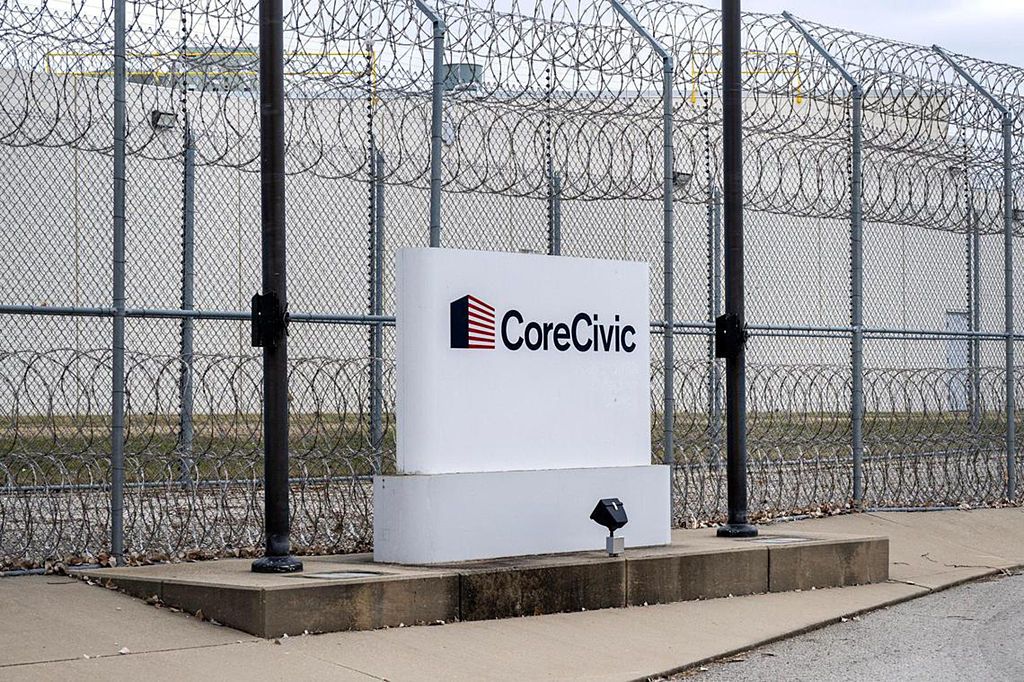
The Midwest Regional Reception Center, formerly the Leavenworth Detention Center, was reopened by CoreCivic, a private-prison operator, to house immigrants facing deportation. The city fought the project through public hearings, legal challenges, and protests, spending over $800,000 in legal fees to oppose the special use permit. CoreCivic countersued, and the Department of Justice intervened on the company's side, accusing Leavenworth of aggressive and unlawful interference. Ultimately, a $1.5 million impact payment from CoreCivic reimbursed the city's legal costs, and the facility opened its doors to hundreds of detainees. Its strategic location just ten miles from Kansas City International Airport made it ideal for ICE's hub-and-spoke model, allowing rapid transfer of immigrants to deportation flights.
Why This Matters
Leavenworth illustrates how the Trump administration expanded detention capacity without massive, publicly scrutinized mega-centers, instead relying on a hub-and-spoke model that funnels detainees through smaller, less visible facilities across the Midwest. The arrangement raises due process concerns: attorneys report difficulty accessing clients, hearings conducted exclusively via video, and limited medical care. The facility's sale to the federal government for $238 million further severs local oversight, leaving residents with diminished recourse. Critics argue the model prioritizes efficiency over justice, particularly when judges handling cases lack immigration expertise, and detainees face translation barriers, remote hearings, and conditions that advocates describe as inadequate.
Key Takeaways
- The Leavenworth facility reopened as an ICE detention hub despite unanimous local opposition and a costly legal fight.
- CoreCivic's $1.5 million impact payment covered the city's legal expenses, but critics say it amounts to buying a permit.
- The hub-and-spoke model allows ICE to expand detention capacity while obscuring the full scale of the operation from public view.
- Attorneys report severe access barriers, video-only hearings, and translation issues that compromise detainee rights.
- The federal acquisition of the site eliminates local control, setting a precedent for future facility sales across the country.
Conclusion
Leavenworth's experience shows how quickly a local community can be overwhelmed by federal immigration machinery, even when resistance is organized and vocal. The facility's transformation from closed prison to active detention hub, facilitated by financial deals and legal maneuvering, underscores the need for greater transparency and accountability in immigration detention. As other communities face similar pressures, the Leavenworth case may serve as a cautionary example of the costs of complacency and the importance of local vigilance.



Discussion
Join the conversation
Thoughtful reactions, questions, and follow-up ideas help shape the next story.