Introduction
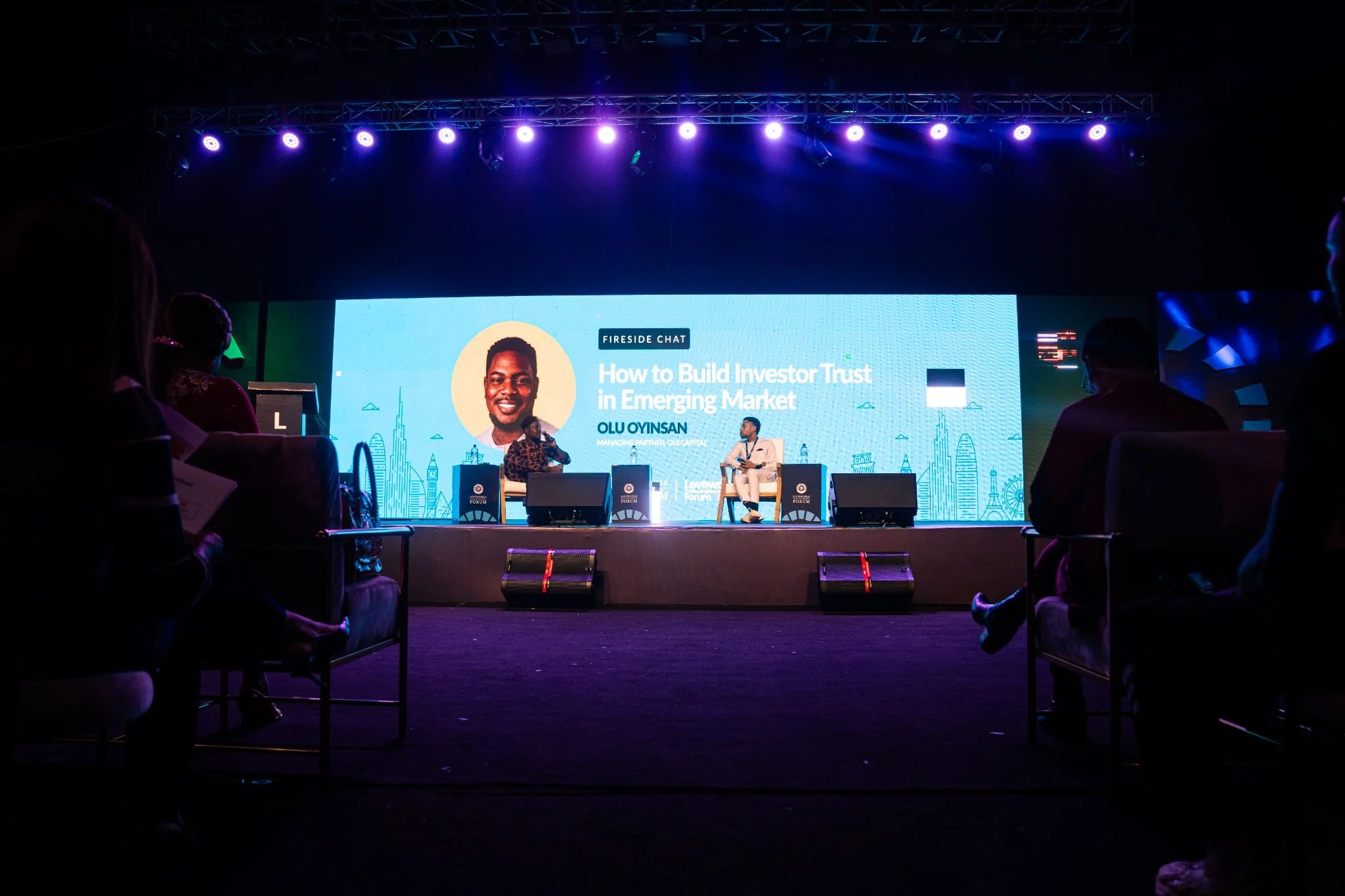
LTIF 2026 lands in Accra as Ghana reforms capital rules and a new Nigeria-Ghana payment corridor lower entry barriers for founders. The forum connects investors, policymakers, and entrepreneurs ready to expand across West Africa.
What Happened
African startups secured $1.44 billion across 146 disclosed deals in the first half of 2026, a significant drop from 252 rounds in the same period last year. Capital is concentrating in larger, debt-financed deals, with about $614 million supplied by debt financing.
Why This Matters
With Nigeria's $139 million in exports to Ghana in 2024 representing just a fraction of total trade, much cross-border commerce still moves outside formal banking channels. Ghana's regulatory reform opens the door for software and services startups to register subsidiaries without heavy capital floors, while the new payment corridor addresses the settlement friction that has long hindered trade.
Key Takeaways
- African startup funding fell to 146 deals raising $1.44 billion in H1 2026, down from 252 deals.
- Ghana removed minimum-capital hurdles for most foreign-owned entities, though traders still face a $500,000 requirement (halved from $1 million).
- The Onafriq-PAPSS payment corridor enables instant local-currency settlements between Nigeria and Ghana.
- LTIF 2026 runs October 6-7 at the Ohene Konadu Auditorium, UPSA, Accra; attendance is free but registration is mandatory.
- Aruwa Capital's $2 million investment in Ghanaian fintech Sika Financial targets cross-border settlement infrastructure.
- Founders expanding west must account for separate CBN and BoG licensing, local partner ecosystems, and customer-acquisition strategies.
Conclusion
Ghana's recent policy changes and the new Nigeria-Ghana payment corridor make it one of the most accessible expansion markets for Nigerian founders this year. The LTIF 2026 forum provides the people, insights, and networking opportunities to turn that access into real growth.


Discussion
Join the conversation
Thoughtful reactions, questions, and follow-up ideas help shape the next story.