Introduction
As the 2026 general election approaches, Maine finds itself at the center of a growing conflict between state officials and federal election oversight. The Trump administration's pledge to deploy election monitors has sparked resistance from state leaders determined to protect voters from intimidation.
What Happened
Following a wave of far-right videos and social media posts alleging voter fraud among Maine's Somali American community, the Department of Justice confirmed it will send election monitors to the state for Election Day. At the same time, the far-right Maine Wire, funded by conservative megadonor Leonard Leo, deployed journalists to film and question voters at polling sites, particularly in Lewiston and Portland.
In response, Maine officials updated training materials for local law enforcement to include federal statutes prohibiting armed federal agents from posting at voting locations. The state has long prepared for scenarios where federal presence could interfere with the voting process.
Why This Matters
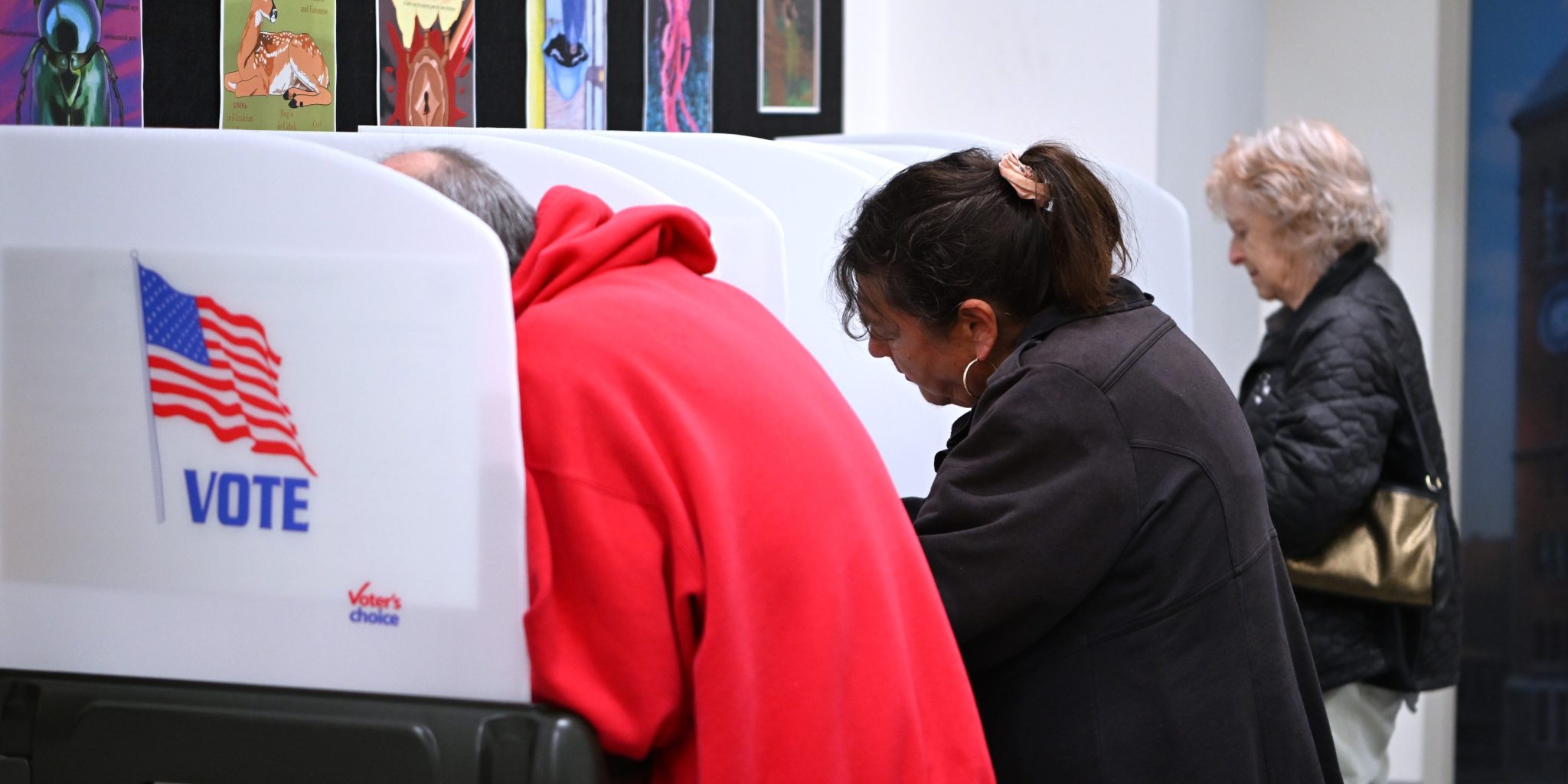
Voter intimidation and unauthorized filming at polling places threaten the fundamental right to a free and fair election. Maine's Secretary of State Shenna Bellows emphasized that voters should never feel watched, questioned, or harassed when casting a ballot. The state's actions reflect a broader concern that federal monitors, if not properly constrained, could become a form of voter suppression rather than oversight.
- DOJ will deploy roughly 1,000 election monitors nationwide, with specific locations to be released only on Election Day.
- Maine law enforcement received updated training referencing federal law barring armed agents from polling sites.
- The Maine Wire's filming campaigns drew sharp criticism from civil rights groups and elected officials.
- Key races in Maine, including the Senate contest between Sen. Susan Collins and challenger Troy Jackson, are highly competitive and drawing national attention.
Key Takeaways
Maine is taking concrete steps to safeguard polling places from potential federal overreach, but the presence of political operatives and election monitors continues to raise questions about voter comfort and access. Officials urge voters to remain aware of their rights and report any feeling of intimidation at the polls.
Conclusion
The standoff between state officials and federal election monitors in Maine highlights the tension between election oversight and voter protection. As voters head to the polls, the focus remains on ensuring every eligible citizen can cast a ballot free from harassment or undue influence.




Discussion
Join the conversation
Thoughtful reactions, questions, and follow-up ideas help shape the next story.