Introduction
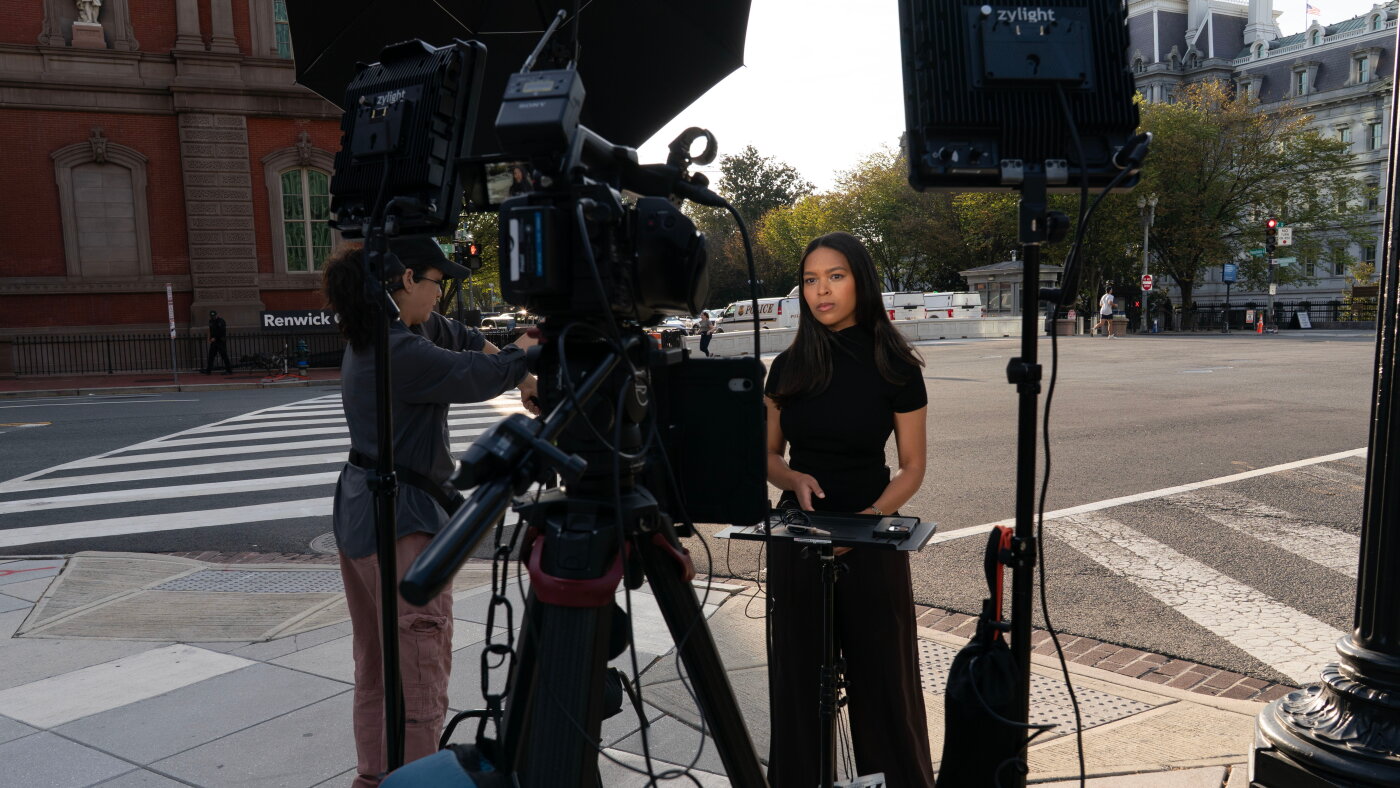
Three major news organizations have taken legal action against former President Donald Trump, challenging his administration's effort to exclude them from White House coverage. The lawsuit argues that restricting press access based on editorial content violates core constitutional protections.
What Happened
CNN, MSNBC (now branded as MS NOW) and Politico filed a federal suit after the Trump administration barred their reporters from official events. The outlets contend the move is a form of viewpoint discrimination, punishing them simply for unfavorable reporting on the president.
Why This Matters
The case raises fundamental questions about the balance of power between the executive branch and a free press. Legal experts point out that once White House credentials are granted, they cannot be revoked merely due to disagreement with coverage, a principle reinforced by a 2018 ruling involving CNN's Jim Acosta.
Key Takeaways
- The lawsuit claims violations of both First Amendment free-speech rights and Fifth Amendment due process.
- Trump Truth Social posts suggest he views negative coverage as a security concern, justifying the ban.
- Past court precedents indicate that viewpoint-based credential denial is unconstitutional.
- The outcome could set a lasting precedent for how future administrations handle press access.
Conclusion
As the court proceedings unfold, the media landscape watches closely. The ruling may redefine the boundaries of presidential authority over the press and underscore the enduring tension between executive power and constitutional protections.

Discussion
Join the conversation
Thoughtful reactions, questions, and follow-up ideas help shape the next story.