Introduction
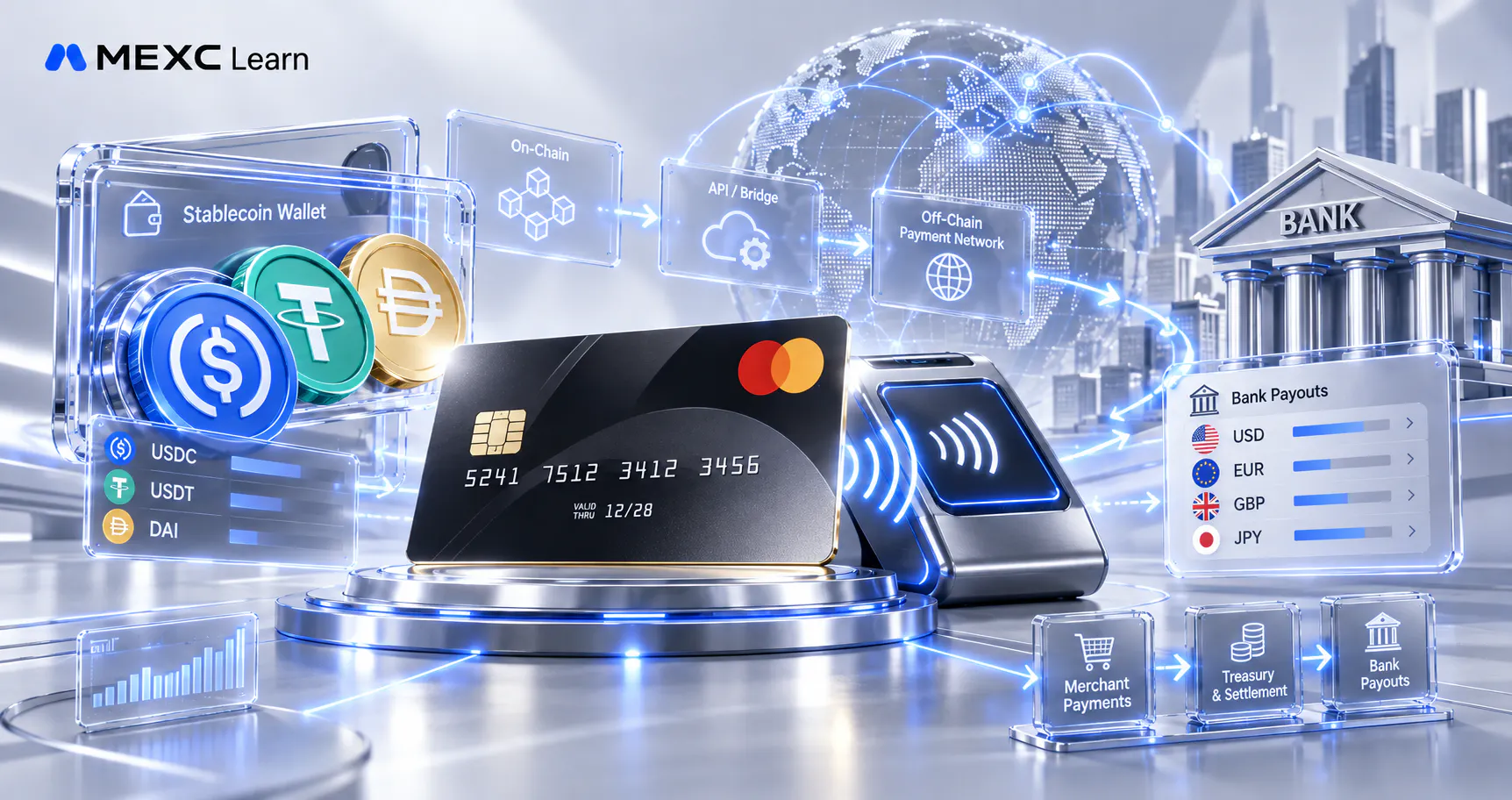
Mastercard has launched a new global money platform that unifies stablecoin holdings, fiat balances, real-time conversion, card issuing, and bank payouts behind a single API. The system is designed for banks, fintechs, and enterprises that want to accept or move stablecoin value without building on-chain infrastructure from scratch.
What Happened
The platform stems from Mastercard's acquisition of BVNK, a stablecoin payments infrastructure company founded in 2021, finalized in August 2026 for up to $1.8 billion. By integrating BVNK's on-chain payment capabilities with Mastercard's existing acceptance, issuing, and payout rails, the network now offers a single API for multi-currency accounts, stablecoin-linked cards, and cross-border bank transfers. The announcement emphasizes this is not a new partnership but the first major product integration following the acquisition.
Why This Matters
For enterprises, the platform eliminates the need for separate local accounts and slow cross-border wires by letting them hold stablecoins as an intermediate layer and convert to local currency only at payout. Fintechs and issuers can launch branded cards or payout services immediately after API integration, bypassing complex licensing and on-chain address management. Consumers experience a familiar debit-card flow, with the behind-the-scenes conversion locking the exchange rate at authorization.
Key Takeaways
- Four core capabilities - multi-currency accounts, real-time conversion, stablecoin-linked cards usable across Mastercard's 130+ country acceptance network, and bank payouts via Mastercard Move's 17-billion-endpoint network.
- Fee structure includes network fees, conversion spreads (0% to 2.49%), issuing fees (0 to $20/month), cross-border markup (0% to 1.5%), and merchant interchange (0.5% to 1.5%). The conversion spread, hidden inside the authorization quote, is the variable most likely to affect total cost.
- Geographic reach covers 130-plus countries for card issuing, with Mastercard Move targeting 40+ currencies across 200-plus countries by 2027.
- Limitations include no named stablecoin support list (depends on integrator and local rules), no agentic commerce or tokenized deposit support yet, and US regulatory restrictions on interest-bearing stablecoin holdings.
Conclusion
Mastercard's Global Money Platform marks a significant step toward mainstream stablecoin adoption by embedding crypto rails into established payment infrastructure. Its real-world impact will depend on which partners launch first, which stablecoins get supported, and how quickly Mastercard Move expands its global coverage. For businesses and developers, the platform offers a low-friction entry point to accept and move stablecoin value, provided they carefully review fee disclosures and jurisdictional restrictions.






Discussion
Join the conversation
Thoughtful reactions, questions, and follow-up ideas help shape the next story.