Introduction
Artificial intelligence has become the engine of modern enterprise transformation, but dependence on external stacks introduces risk. Understanding where AI runs, how data flows, and which models power critical workflows is no longer optional—it's a strategic imperative. This is the foundation of enterprise sovereign AI.
What Happened
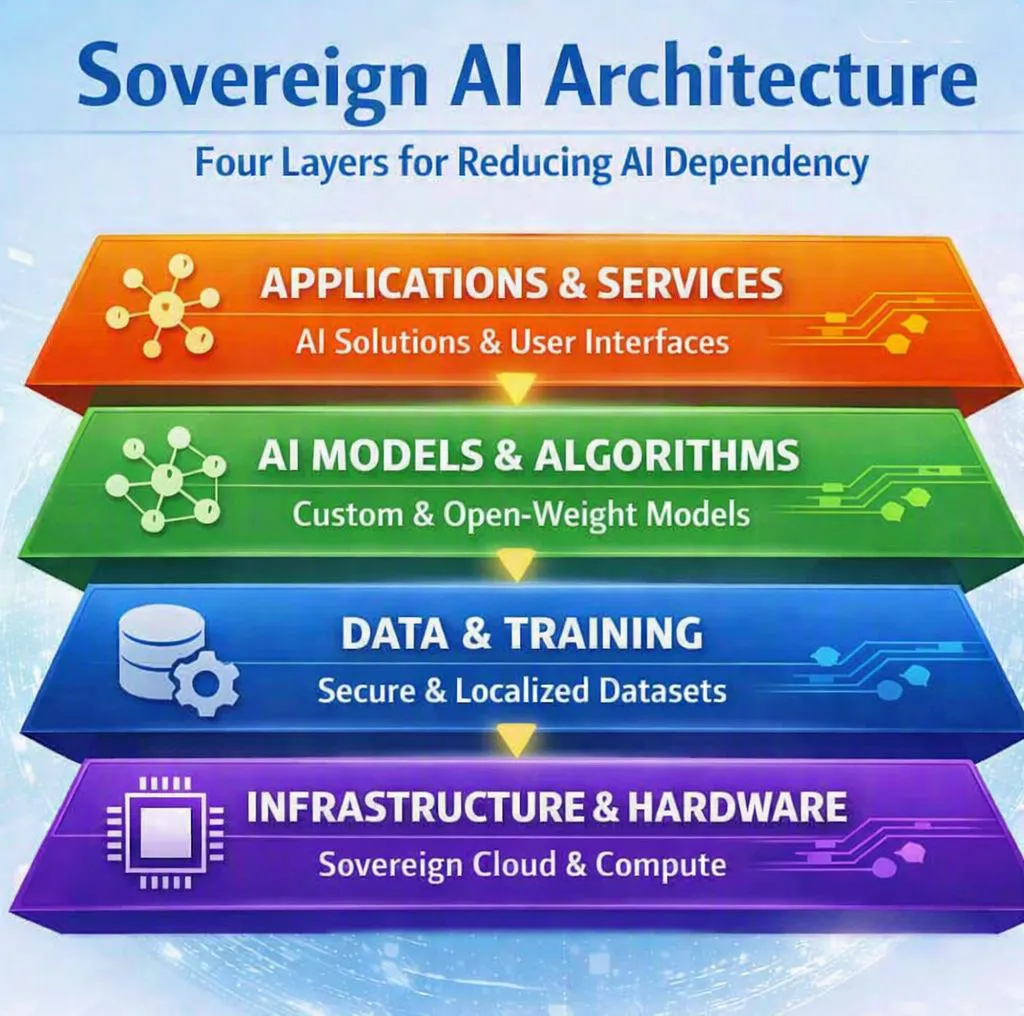
The concept of sovereign AI extends beyond simply running models on-premises. It spans four interconnected layers that together determine an organization's ability to control, shift, and optimize its AI capabilities. From the compute environment to the applications that drive daily operations, each layer introduces specific dependencies that must be evaluated deliberately.
Why This Matters
When AI becomes embedded in core business processes, the cost of switching models, relocating workloads, or auditing data flows can escalate quickly. Without a clear framework, enterprises risk being locked into technologies or providers that may change pricing, access, or capability without warning. A layered approach ensures that control is maintained where it matters most, while still leveraging the best external tools when appropriate.
Key Takeaways
- Infrastructure determines where AI compute resides and who controls the underlying environment.
- Data movement across AI stages creates visibility gaps that can expose sensitive information if not governed.
- Model flexibility allows organizations to adapt to pricing shifts, retirements, or capability changes without disrupting operations.
- Application integration is where AI dependency becomes hardest to unwind, making governance over workflows essential.
- Sovereign AI is not about total isolation, but about deliberate dependency management across the full stack.
- Quantum Gears' QNano and SecureGPT illustrate how layered control can coexist with external provider usage.
Conclusion
The future of enterprise AI won't be defined by complete independence, but by how consciously organizations navigate the dependencies that shape their capabilities. By mapping the four layers—infrastructure, data, models, and applications—leaders can make informed trade-offs, retain flexibility where it counts, and build AI systems that serve their long-term strategic goals.



Discussion
Join the conversation
Thoughtful reactions, questions, and follow-up ideas help shape the next story.