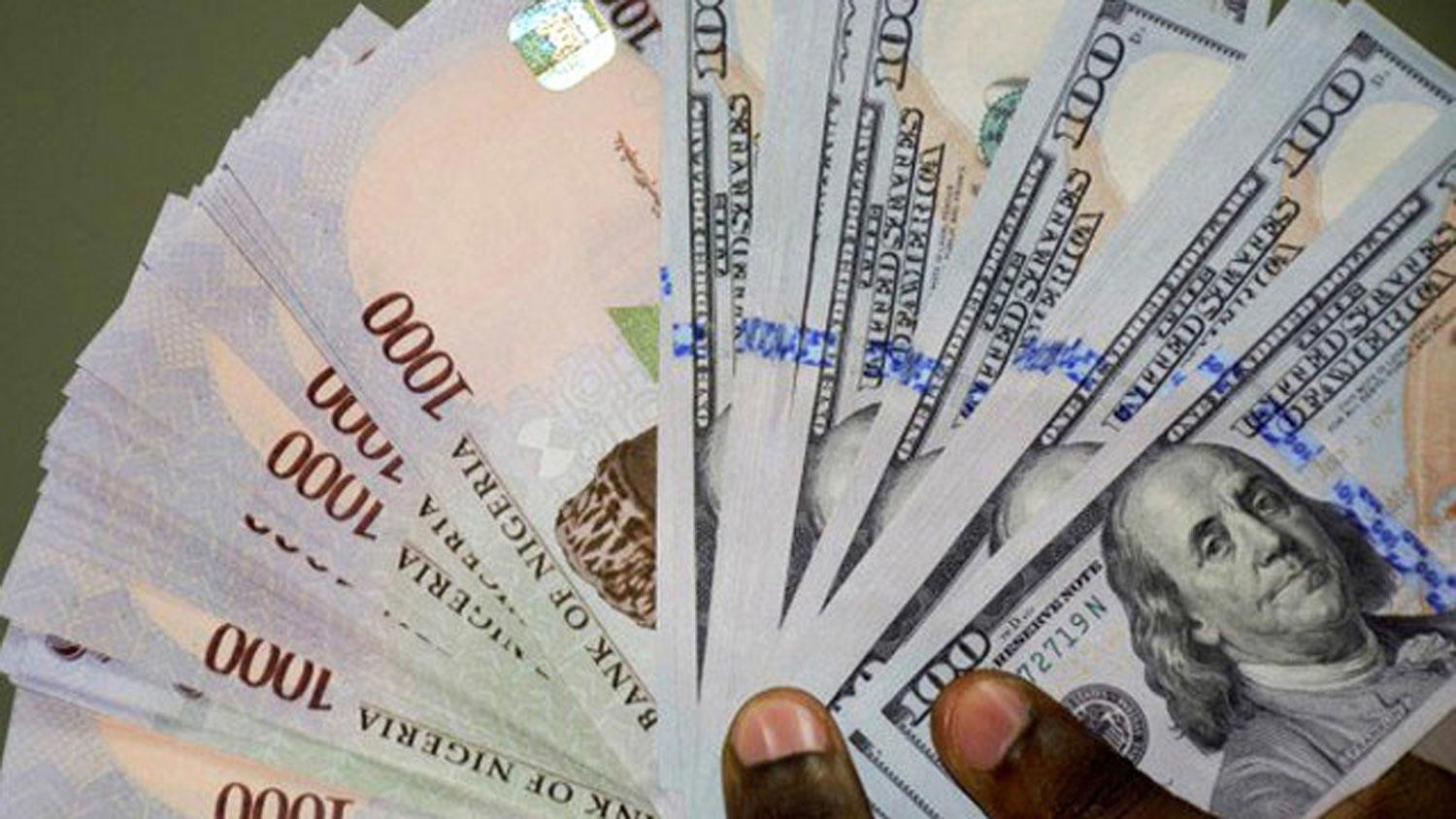
Introduction
The Nigerian naira opened the trading day with notable movement against the US dollar across both official and parallel segments on Wednesday, September 23, 2026. Fresh data shows a modest shift in rates that reflects ongoing dynamics in the foreign exchange landscape.
What Happened
According to the latest available data, the naira traded at N1,327.78 per dollar at the Nigerian Foreign Exchange Market (NFEM), up from N1,329.80 recorded on Tuesday. This represents a day-to-day appreciation of approximately N2.02. In the parallel market, commonly referred to as the black market, the dollar was quoted at around N1,389, a slight decrease from N1,390 the previous day. The narrowing gap between the official and parallel rates now stands at roughly N61.22 per dollar. At the parallel market rate, $100 would cost approximately N138,900, while $1,000 would be about N1.389 million. Market participants should note that rates can fluctuate throughout the day based on demand, supply, dealer location, and transaction size.
- Official NFEM rate: N1,327.78, up from N1,329.80
- Parallel market rate: N1,389, down from N1,390
- Daily gap between official and parallel: approximately N61.22
- $100 at parallel rate costs about N138,900
- $1,000 at parallel rate costs about N1.389 million
Why This Matters
These daily movements matter for a wide range of stakeholders. Importers, exporters, and businesses relying on forex for operations closely monitor the official-parallel spread, as a widening gap often translates to higher costs for goods and services. For everyday consumers, the parallel rate directly influences the price of dollars for travel, education, and online purchases. The Central Bank of Nigeria continued market interventions, including dollar sales, play a key role in stabilizing the naira and keeping inflationary pressures in check. Recent analysis has noted that stability has been supported by sustained CBN dollar supply and softer import demand.
- Stakeholders include importers, exporters, and daily consumers
- Official-parallel spread impacts cost of imported goods
- CBN dollar sales are a key stabilization tool
- Market sentiment influenced by liquidity and import trends
Key Takeaways
- Naira appreciated by N2.02 at the official market, closing at N1,327.78 per dollar.
- Parallel market rate dipped to N1,389, down from N1,390, reducing the daily cost of dollar transactions.
- The official-parallel rate gap narrowed to approximately N61.22, down from previous levels.
- At parallel rates, $100 equals about N138,900 and $1,000 about N1.389 million.
- Rate movements are subject to change based on liquidity, CBN policy, and market demand.
- Stakeholders should track daily updates to anticipate cost shifts for imports, travel, and business operations.
Conclusion
Wednesdays exchange rate data underscores the continued volatility and daily fluctuations inherent in the Nigerian forex market. While the naira showed slight strength at the official window, the parallel market remained elevated, keeping the spread a key metric for anyone tracking the currencies trajectory. As always, staying informed through official CBN releases and trusted financial news sources is essential for making sound financial decisions in a dynamic FX environment.



Discussion
Join the conversation
Thoughtful reactions, questions, and follow-up ideas help shape the next story.