Introduction
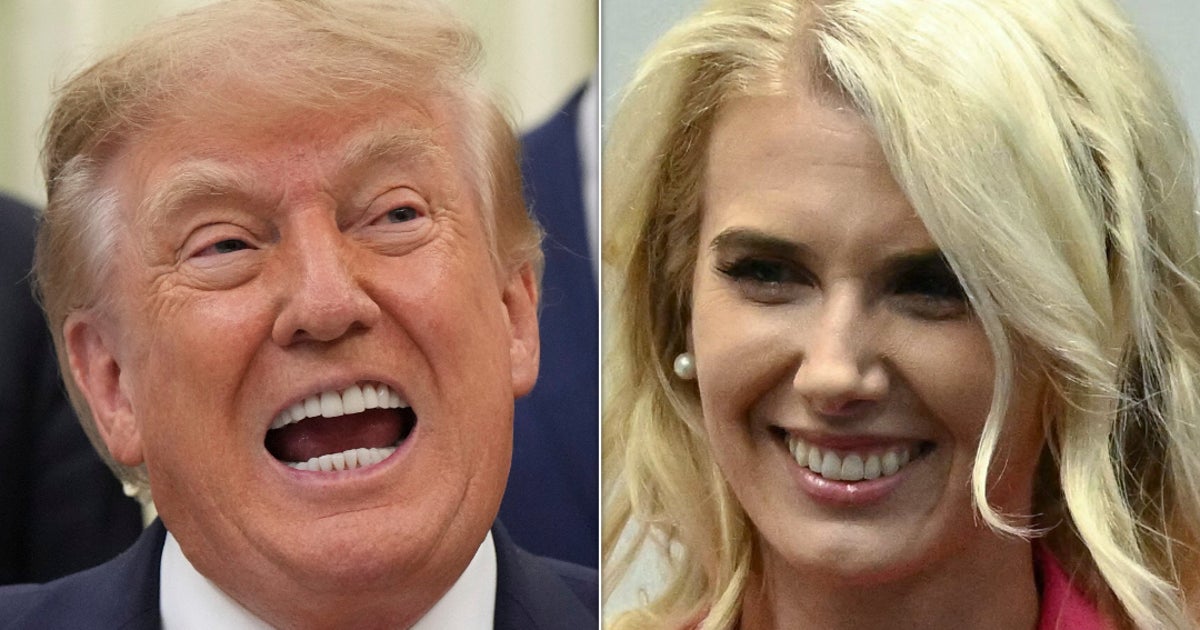
President Donald Trump's decision to restrict major news outlets at the White House has sparked fresh debate about press access and inner-circle dynamics. Central to the controversy is the reported role of close aide Natalie Harp, who allegedly shared video footage that influenced the president's move.
What Happened
According to The Wall Street Journal, Trump's frustrations with media coverage intensified significantly after aide Natalie Harp presented the president with clips of MSNBC hosts criticizing his administration. In response, Trump announced that CNN, MSNBC and Politico would be barred from White House premises. Reporters from those outlets were subsequently denied entry and had their credentials revoked.
Why This Matters
The episode underscores the tight relationship between Trump and Harp, who is often at his side and has been nicknamed the human printer for carrying physical copies of favorable coverage. Harp's influence, along with ongoing scrutiny over cash gifts to senior aides, raises questions about the boundaries between personal loyalty and official duty. The ban also signals a continued pattern of restricting press access during Trump's return to the political spotlight.
Key Takeaways
- The White House media ban was reportedly triggered after Natalie Harp shared video clips of MSNBC commentary.
- Outlets affected include CNN, MSNBC, and Politico, all of which had their press credentials suspended.
- Harp is a near-constant companion to the president and has been described as his human printer for bringing physical copies of positive news.
- Financial disclosures revealed Trump gave Harp and other aides cash gifts up to $45,000, drawing ethics warnings.
- The Wall Street Journal cited unnamed people familiar with the matter in reporting the sequence of events.
Conclusion
As Trump continues to shape his media strategy, the role of trusted aides like Natalie Harp in influencing access and messaging remains a focal point. The incident highlights the enduring tension between the administration and the press, and what it may mean for future coverage dynamics.

Discussion
Join the conversation
Thoughtful reactions, questions, and follow-up ideas help shape the next story.