Introduction
Prime Minister Benjamin Netanyahu sparked international attention at the United Nations by labeling New York City Mayor Zohran Mamdani the antisemitic mayor of New York, accusing him of endangering Jewish residents. The remarks came as hundreds gathered outside the UN, with about 100 protesters arrested during the demonstration.
What Happened
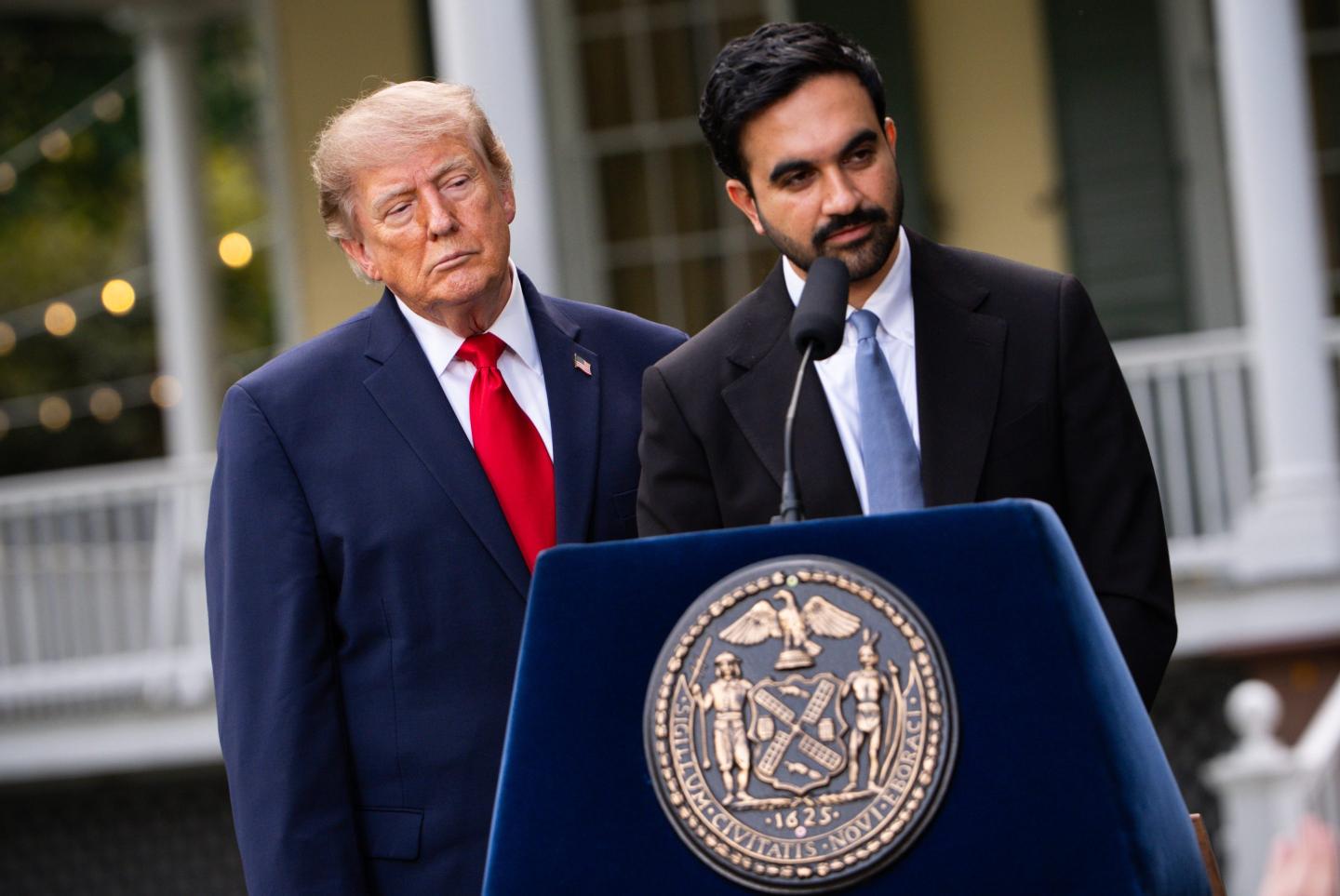
During his address to the UN General Assembly, Netanyahu repeatedly targeted Mamdani, the city's first Muslim mayor, who has long been a vocal critic of Israel's military actions in Gaza. Mamdani has called Netanyahu a war criminal and the architect of a horrific genocide against the Palestinian people, denying antisemitism charges. The tension escalated when Mamdani met with former President Donald Trump at Gracie Mansion, who affirmed his support for Netanyahu and ruled out any arrest despite an ongoing International Criminal Court warrant. Meanwhile, approximately 100 demonstrators were detained by police outside the UN, including celebrities Susan Sarandon and Hannah Einbinder, according to advocacy group Jewish Voice for Peace.
Why This Matters
The clash highlights how the Israel-Gaza war continues to fracture politics at both the international and local levels. Netanyahu's rhetoric reflects widening polarization within U.S. cities with significant Jewish and Muslim populations. Mamdani's pursuit of ICC accountability and his engagement with the Trump administration signal the deepening divide over how to address the conflict. For New Yorkers, the arrests and heated exchanges raise urgent questions about public safety, religious tolerance, and the city's role as a global diplomatic stage.
Key Takeaways
- Netanyahu called Mamdani the antisemitic mayor of New York during a UN speech.
- Over 100 protesters were arrested outside the UN, including Sarandon and Einbinder.
- Mamdani has labeled Netanyahu a war criminal and advocates for Palestinian rights.
- Mamdani met with Donald Trump, who said Netanyahu would not be arrested.
- The confrontation underscores broader U.S. polarization over the Israel-Gaza war.
Conclusion
The face-off between Netanyahu and Mamdani at the UN encapsulates the deepening rift over the Gaza war's impact beyond the Middle East. As political figures leverage the conflict for domestic and international leverage, New York remains a flashpoint where foreign policy meets city governance. Watch for how this dynamic evolves, particularly regarding municipal policies, ICC actions, and the broader societal divide it reflects.
Discussion
Join the conversation
Thoughtful reactions, questions, and follow-up ideas help shape the next story.