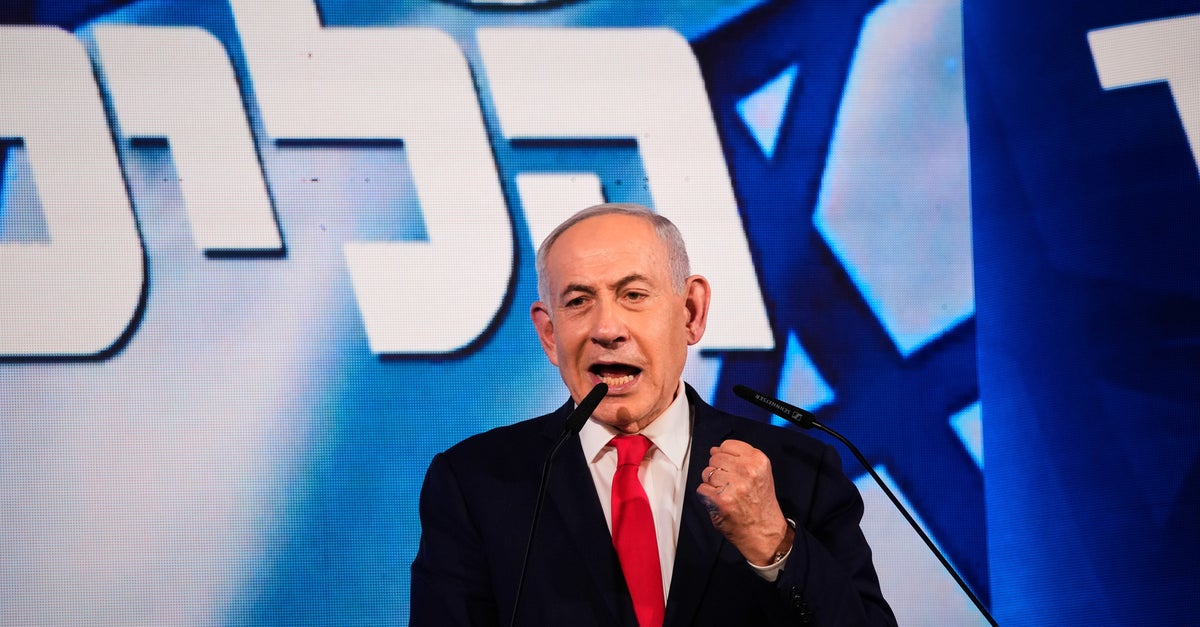
Israeli Prime Minister Benjamin Netanyahu faces a surprising parliamentary setback after final election results showed his Likud-led bloc fell short of a majority, securing only 53 of 120 Knesset seats. The vote also marked a historic performance by Arab-led parties, who won 19 seats and could become decisive kingmakers in the next government.
Final results released Thursday confirmed Netanyahu's bloc won 53 seats, while his main opposition captured 48. Arab-led parties secured the remaining 19, a significant increase that reflects heightened Arab voter turnout and political mobilization. Netanyahu's party has amplified unsubstantiated claims of foreign interference and election tampering, particularly targeting Arab-led groups, prompting investigations by the election committee and Shin Bet. Opposition leaders, including former military chief Gadi Eisenkot, have condemned the rhetoric as an attempt to delegitimize the vote.
The election commission has certified the count but referred allegations of foreign meddling to security agencies, emphasizing that results will stand and will be submitted to the president next week. Meanwhile, Netanyahu has suggested that cooperation between opponents and Arab parties would be treasonous, further complicating coalition talks.
The outcome plunges Israel into political uncertainty, as no clear majority emerged to form a government easily. With 19 Arab-led Knesset members now in play, opposition figures like Eisenkot have signaled openness to partnering with these parties, a move that could unseat Netanyahu but remains politically risky. The allegations of foreign interference, which Qatar has denied, have added a diplomatic layer to the domestic dispute, raising concerns about election integrity and regional perceptions. President Isaac Herzog has called for national calm, warning against tarnishing entire communities for exercising democratic rights.
Beyond coalition negotiations, Netanyahu's future is shadowed by longstanding corruption charges and an ongoing inquiry into security failures surrounding the October 2023 Hamas attack. The election result may accelerate calls for accountability, making this vote a pivotal moment for Israel's domestic trajectory and its approach to coalition-building with historically marginalized Arab citizens.
- Netanyahu's Likud secured 53 Knesset seats, well below the 68 it held at the previous parliament's peak.
- Arab-led parties won 19 seats, marking a historic performance and potential kingmaker status.
- Claims of foreign election interference have been raised but not verified, with investigations underway.
- Opposition leaders are open to coalition deals with Arab parties, which could determine the next prime minister.
- Netanyahu faces continued pressure from corruption allegations and a probe into the October 2023 security failures.
- If no coalition forms, Israel may face new elections early next year.
Israel's latest election has produced a fragmented Knesset, leaving the path to a stable government uncertain and potentially requiring new votes. As coalition talks unfold, the 19 Arab-led members could hold the balance of power, and Netanyahu's ability to retain office hinges on navigating both political alliances and legal challenges. Regardless of the immediate outcome, the vote underscores a shifting political landscape, increased Arab electoral participation, and the enduring complexity of forming governance in a deeply divided parliament.







Discussion
Join the conversation
Thoughtful reactions, questions, and follow-up ideas help shape the next story.