Introduction
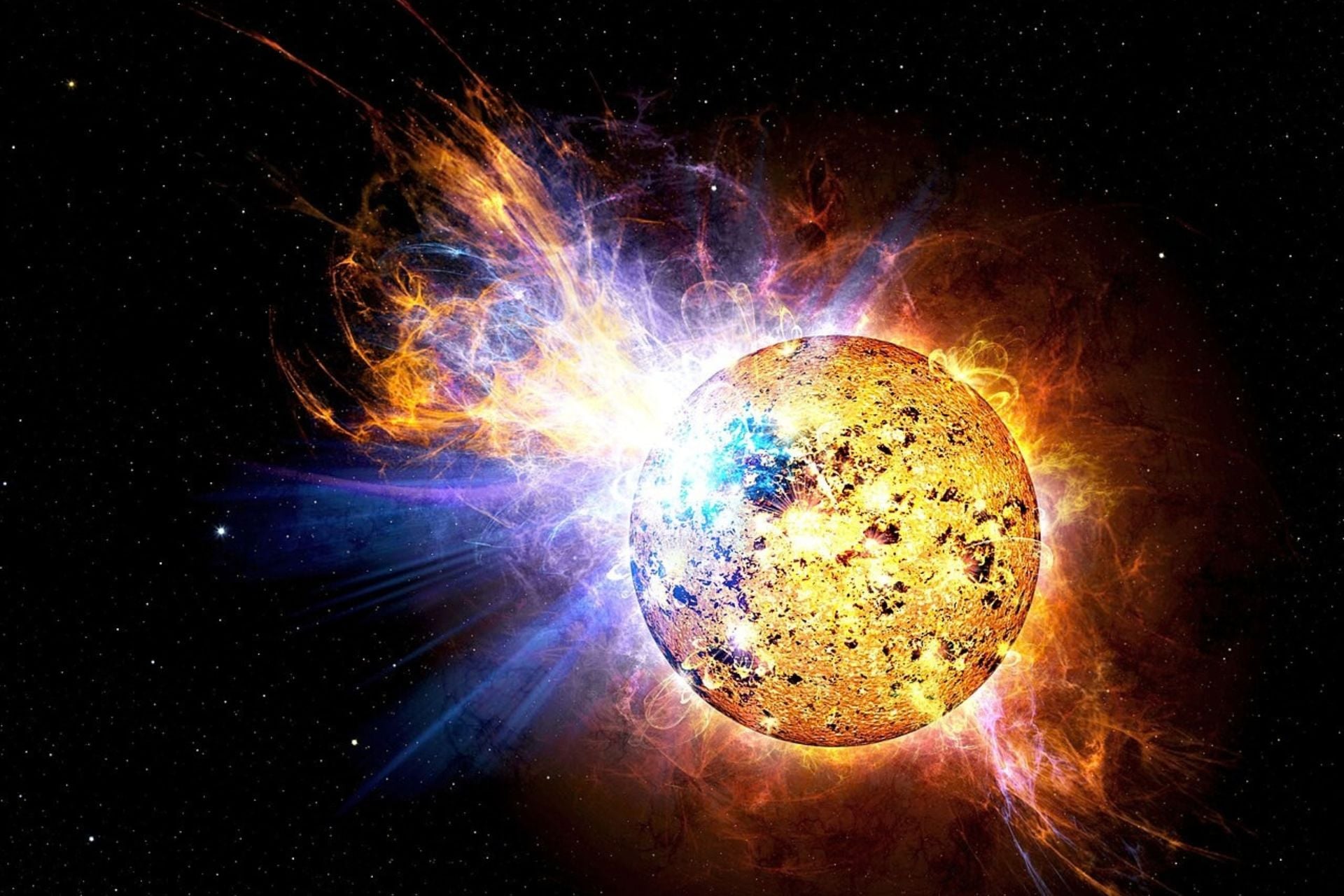
The Sun is the life-giving star at the center of our solar system, but it is also a seething cauldron of magnetic violence. While Earth technology dependent civilization relies on a relatively stable solar environment, astronomers have long suspected our star could unleash far more powerful outbursts than the typical solar storm. A new study dives into whether the Sun could actually produce superflares extreme eruptions capable of reshaping planetary technology and infrastructure.
What Happened
Researchers led by Natalie Krivova at the Max Planck Institute for Solar System Research tackled the question using nearly a decade of high resolution data from NASAs Solar Dynamics Observatory. The team analyzed 300 of the strongest solar flares recorded between 2010 and 2016, correlating each events energy output with the size of its originating active region those magnetically complex sunspot groups where solar eruptions begin. By establishing a statistical link between active region size and flare power, the researchers then looked at the largest sunspot groups ever documented on the Suns surface. Their analysis showed that even the most colossal historical sunspots could theoretically generate the conditions for a superflare. While the study did not calculate how often such events occur, it confirms the Sun has the physical potential to produce them.
Why This Matters
A Sun directed superflare would far exceed the severity of any documented solar event. Scientists warn that such an eruption could collapse national power grids fry satellites in orbit trigger planet wide radio blackouts and inflict economic damage measured in trillions of dollars. The studies findings arrive amid growing concern over space weather resilience. Even the most powerful flare recorded by modern instruments the 2003 Halloween storms disrupted satellite operations forced ISS crew members into radiation shelters and knocked out GPS and radio communications across wide swaths of the globe. As humanity becomes increasingly dependent on space based infrastructure understanding the Suns upper limits is no longer just astrophysics its risk management.
Key Takeaways
- The Sun has the physical capacity to produce superflares based on the size of its largest sunspots and active regions.
- Statistical relationships observed in recent solar data can be extrapolated to estimate maximum possible flare energy.
- Historical solar storms while devastating fall short of superflare status but still demonstrate our vulnerability.
- Preparing critical infrastructure for extreme space weather is essential as satellite and grid dependencies grow.
- The study does not predict when or how often a superflare might occur but it removes a key scientific doubt about the Suns capability.
Conclusion
The possibility that our Sun could produce a superflare shifts the conversation from if to how prepared are we Decades of solar observation have given us tools to track and predict typical space weather but the most extreme events remain difficult to forecast. This research provides a crucial framework for estimating the Suns upper limits urging policymakers and engineers to treat solar superflares as a legitimate design parameter for satellites power grids and communication systems. As we continue to unlock the Suns secrets one thing is clear: the star that gives us life may also one day test the limits of our technological resilience.



Discussion
Join the conversation
Thoughtful reactions, questions, and follow-up ideas help shape the next story.