Introduction
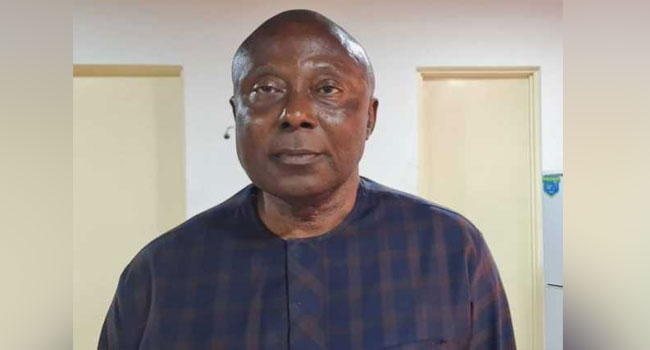
Nigeria's Court of Appeal in Abuja has affirmed the money laundering conviction of Chukwunyere Anamekwe Nwabuoku, a former Acting Accountant-General of the Federation. The appellate ruling, delivered on November 13, 2026, by Justice Ele-Ojo Enenche, rejects the former official's challenge to an earlier Federal High Court decision. The case centres on more than N868 million in public funds allegedly moved through companies with no legitimate government contracts.
What Happened
The Economic and Financial Crimes Commission brought a nine-count amended charge against Nwabuoku, alleging that N868,465,000 was laundered through four entities described as front companies. Prosecutors said these firms had no lawful dealings with the Ministry of Defence, even though the money was supposedly earmarked for security and defence spending.
At the trial court, Justice James Omotosho found that the anti-graft agency had met the legal burden of proof. He described the alleged diversion of public resources as appalling and rejected a defence argument that the EFCC lacked authority to prosecute. The judge ordered the defendant to present his case after dismissing the no-case submission.
Nwabuoku appealed, raising four issues for the appellate court to consider. The Appeal Court determined that none of the grounds had merit. In the lead judgment, Justice Enenche confirmed that the EFCC had the statutory power to investigate and prosecute, that the trial judge properly assessed the evidence, and that the defendant's statements were given voluntarily. The appeal was dismissed, and the conviction on all nine counts stands.
Why This Matters
The outcome reinforces the commission's mandate to pursue financial crimes involving senior government officials. It also shows that appellate judges will uphold trial verdicts when prosecutors present sufficient evidence. For anyone following Nigeria's anti-corruption landscape, the case highlights how alleged misuse of defence-related funds and the use of front companies can lead to criminal convictions despite jurisdictional objections.
Key Takeaways
- The Abuja Division of the Court of Appeal upheld Nwabuoku's conviction on all nine money laundering counts.
- The alleged amount involved is N868,465,000, reportedly diverted from funds intended for security and defence.
- The prosecution relied on the Money Laundering (Prohibition) Act, 2011, as amended.
- The trial judge described the alleged misuse of public funds as appalling and rejected a no-case submission.
- The Appeal Court affirmed the EFCC's statutory authority to prosecute and found the appeal without merit.
- Earlier related proceedings saw Nwabuoku refund N220 million and surrender a property to the anti-graft agency.
Conclusion
Unless further legal action is taken, the conviction of the former Acting Accountant-General remains in place. The judgment adds weight to Nigeria's efforts to prosecute public officials accused of money laundering, particularly where national security budgets are involved. It also marks another milestone in the EFCC's broader campaign against financial crime in government.
Discussion
Join the conversation
Thoughtful reactions, questions, and follow-up ideas help shape the next story.