Introduction
Nigeria has taken a significant step toward strengthening its public health infrastructure with a major biosecurity upgrade approved for five international airports. The initiative aims to modernize disease detection and response systems at the country's busiest entry points.
What Happened
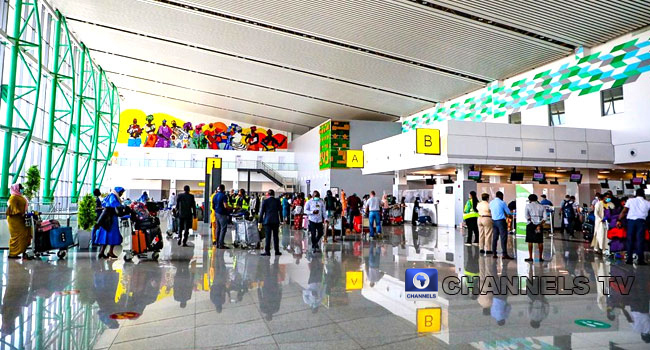
The Federal Executive Council gave approval during a regular meeting, authorizing a 20-year public-private partnership to implement the biosecurity upgrade. The project will cover Murtala Muhammed International Airport in Lagos, Nnamdi Azikiwe International Airport in Abuja, Mallam Aminu Kano International Airport in Kano, Akanu Ibiam International Airport in Enugu, and Port Harcourt International Airport in Omagwa.
According to the Minister of Health and Social Welfare, the system will include smart infrastructure at points of entry, portable laboratory facilities for rapid testing, and integrated data-sharing platforms linking key agencies such as the Nigeria Centre for Disease Control, Port Health Services, the Nigeria Customs Service, the Nigeria Immigration Service, and the National Agency for Food and Drug Administration and Control.
Why This Matters
With more than 18 million international passengers traveling through these airports annually, the upgrade addresses critical vulnerabilities exposed by recent global health threats. The minister highlighted Nigeria's successful containment of the Ebola outbreak, noting that heightened surveillance at points of entry helped prevent wider transmission.
The Design, Finance, Build, Operate and Transfer framework means a private partner will finance, build, operate, and maintain the infrastructure, with ownership reverting to the Federal Government after the 20-year concession. The Infrastructure Concession Regulatory Commission will provide regulatory supervision throughout the period.
Key Takeaways
- The $45.8 million investment will modernize health screening at five major Nigerian airports.
- Smart infrastructure and portable labs will enable faster detection of infectious disease threats.
- Data-sharing across five government agencies will improve coordination and early warning capabilities.
- A 20-year PPP model will ensure long-term operation, with facilities eventually returning to federal ownership.
- Quarantine support of ₦100,000 per person aims to protect welfare during disease-related restrictions.
Conclusion
The approved biosecurity upgrade represents a significant investment in Nigeria's ability to protect its citizens and travelers from infectious disease risks at major entry points. By combining technology, inter-agency data sharing, and private-sector efficiency, the project aims to create a more resilient health security system across the country's busiest airports.




Discussion
Join the conversation
Thoughtful reactions, questions, and follow-up ideas help shape the next story.