Introduction
Nigeria's fuel market is feeling the squeeze as pump prices climb across the board, driven by a sustained surge in international crude oil costs. From Lagos to Kano, motorists and business owners are bracing for higher expenses as major marketers adjust their rates amid a volatile global energy landscape.
What Happened
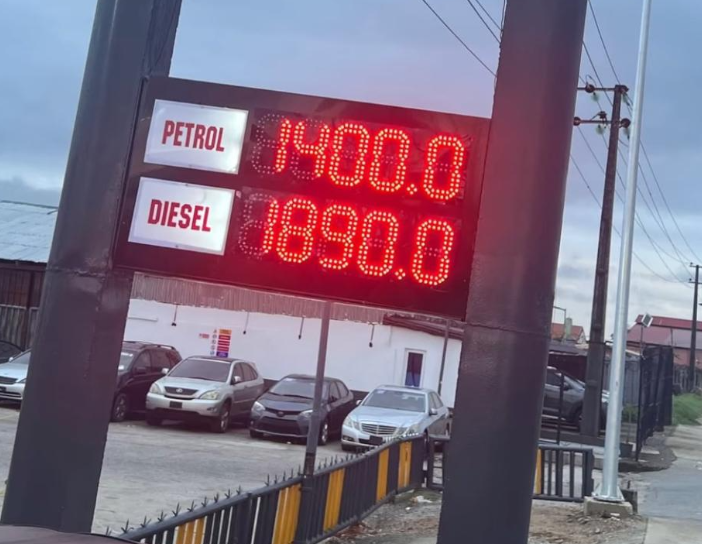
Recent adjustments at the pump show a clear upward trend. MRS filling stations have raised petrol to N1,400 per litre, up from N1,300. NNPC Limited stations now sell at N1,375, a jump from N1,275, while independent marketers have followed suit at N1,400, reflecting a rise from around N1,360. The ripple effect traces back to Dangote Petroleum Refinery's increase of its gantry price to N1,350 per litre, fueled by higher crude prices and elevated supply-chain costs. These changes come as international benchmarks hover above $100 per barrel, directly influencing domestic retail rates in a largely deregulated market.
Why This Matters
The consequences stretch far beyond the filling station. Higher fuel costs translate into increased transportation expenses, which pressure commuters, inflate food prices, and strain the operating budgets of businesses reliant on logistics, power generation, and distribution. Small and medium enterprises, manufacturers, and retailers are particularly vulnerable, facing squeezed margins and the prospect of passing costs to consumers. Experts warn that if crude prices remain elevated, the pressure could deepen Nigeria's cost-of-living crisis, already compounded by inflation rates that have food inflation crossing the 20% threshold.
Key Takeaways
- Pump prices have risen across major marketer categories, with MRS and independent sellers at N1,400 per litre, NNPC at N1,375 per litre.
- The primary driver is international crude oil above $100 per barrel, combined with refinery gantry adjustments.
- Transportation costs are rising, affecting commuters, households, and the movement of goods.
- Businesses across manufacturing, retail, and logistics are reviewing operating costs, with potential price pass-throughs.
- Stakeholders and analysts highlight risks to inflation, purchasing power, and economic recovery if prices stay high.
- The shift toward CNG and alternative energy sources is gaining attention as a partial mitigation strategy.
Conclusion
As Nigeria navigates a period of sustained fuel price increases, the economic ripple effects are evident across households, businesses, and the broader inflation outlook. Monitoring global crude trends, refinery output, and policy responses will be crucial in the coming weeks. For consumers and entrepreneurs alike, finding efficient fuel strategies and staying informed on market shifts will help mitigate the impact of a market that shows no immediate signs of cooling down.


Discussion
Join the conversation
Thoughtful reactions, questions, and follow-up ideas help shape the next story.