
Introduction
The 2027 Nigerian general election is already generating intense discussion, particularly regarding the place of women in the country's political landscape. With INEC's final candidate list now public, attention has turned to the stark underrepresentation of females across all elective positions.
What Happened
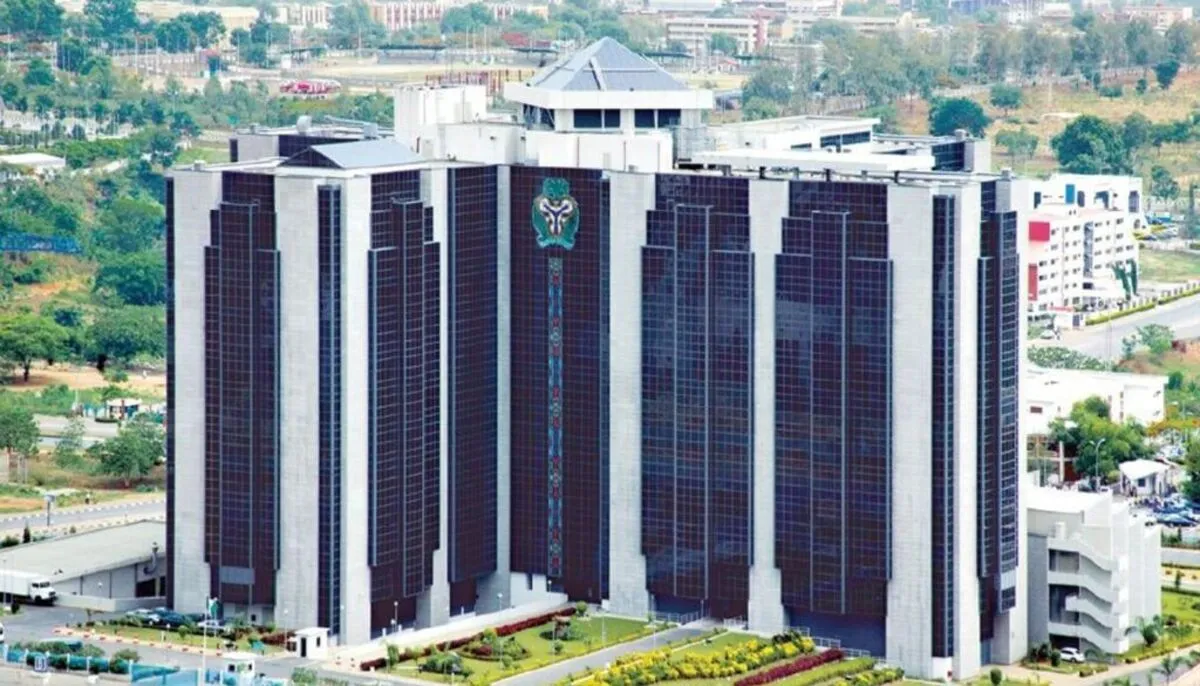
The Independent National Electoral Commission released its final list of candidates for the presidency, Senate, and House of Representatives, triggering challenges from parties and aspirants. Notably, the presidential candidate of the Accord Party, Gbenga Olawepo-Hashim, was absent from the published list, prompting a formal dispute with INEC. Across many states, contention persists over the authenticity of submitted candidates. INEC maintains it simply published what political parties submitted, emphasizing that most disputes are internal party matters being litigated in court. Beyond these procedural battles, a far more pressing issue has emerged: women make up only 9.65 per cent of all candidates, with 471 female aspirants against 4,410 males among the 4,881 cleared for the three federal elections.
Why This Matters
The implications of such disparity extend well beyond campaign statistics. The Inter-Parliamentary Union currently ranks Nigeria 180th out of 185 countries globally for women's representation in parliament, placing the nation at the very bottom of sub-Saharan Africa, where the regional average stands at 27.3 per cent. In the executive arm, women hold just nine per cent of political offices across Nigeria's 36 states, and no woman has been elected governor since the return to civilian rule in 1999. Globally, Rwanda stands as a benchmark with 61.3 per cent women in its legislature, while Sierra Leone recently enacted a Gender Equality and Women's Empowerment Act, resulting in 30.4 per cent of parliamentary seats won by women within months. These contrasts highlight the cost of exclusion: when half the population is sidelined, policy priorities shift, and development deficits compound across election cycles.
Key Takeaways
- Women represent only 9.65 per cent of all candidates in the 2027 election cycle, despite constituting a significant portion of the voting population.
- INEC's role is limited to publishing party submissions; most candidate controversies stem from internal party disputes, not commission error.
- Nigeria's global ranking for women's parliamentary representation is among the worst, underscoring the urgency of reform.
- Regional examples such as Rwanda and Sierra Leone demonstrate that deliberate policy interventions can rapidly improve female representation.
- Sustained effort is required to dismantle structural barriers and ensure women's meaningful participation in governance beyond 2027.
Conclusion
The 2027 polls present a critical moment to address the systemic underrepresentation of women in Nigerian politics. Without intentional party structures, zoning reforms, and voter education, the trend of exclusion is likely to persist. Stakeholders—from political parties to civil society—must treat gender inclusivity as a non-negotiable pillar of electoral reform, ensuring that the next generation of leaders reflects the full diversity of the nation they serve.

Discussion
Join the conversation
Thoughtful reactions, questions, and follow-up ideas help shape the next story.