Introduction
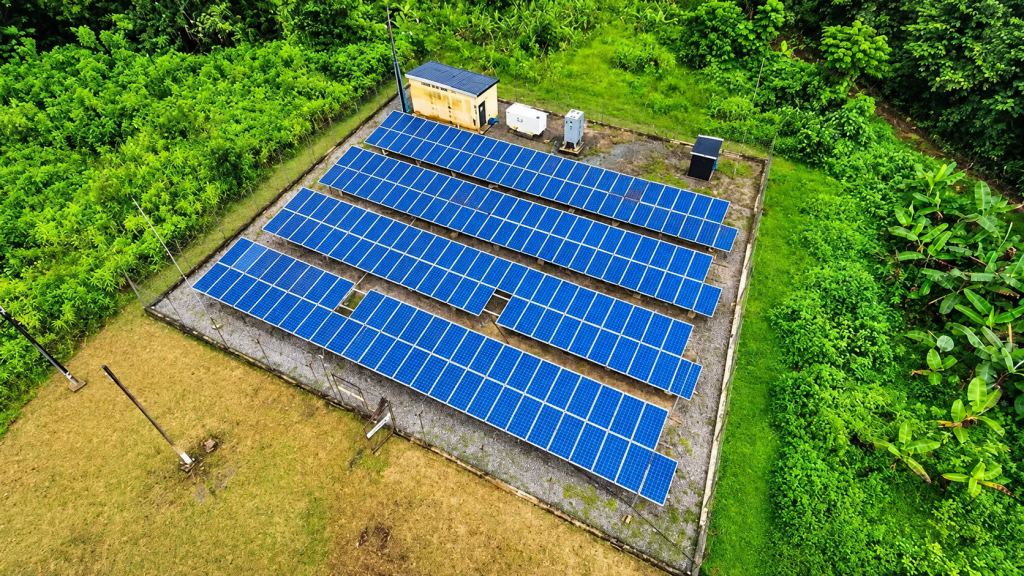
Nigeria has proven it can deploy solar mini-grids to reach communities off the national grid, yet expanding these systems beyond pilot stages has proven far more difficult than building them. The gap between technical capability and financial sustainability defines the country's next energy challenge.
What Happened
Through the Nigeria Electrification Project, private developers constructed 180 solar hybrid mini-grids across 23 states, delivering power to over 146,000 households and adding 19.2MW of clean capacity. However, the programme's progress was constrained by a shrinking funding pool, dropping from $150 million to $56.7 million, and a subsidy structure that struggled to keep pace with naira depreciation and imported equipment costs.
Why This Matters
With over 80 million Nigerians still lacking electricity and households spending billions annually on diesel and petrol generators, the cost of unreliable power is both an economic drain and a health concern. Closing the financing gap could redirect existing energy spending toward cleaner, more predictable solar infrastructure, reducing emissions and improving productivity across underserved regions.
Key Takeaways
The newly restructured Nigeria Distributed Renewable Energy Fund, backed by a $25 million IDA seed from the World Bank and managed alongside the Nigeria Sovereign Investment Authority and Africa50, shifts focus from project-by-project grants to blended finance that de-risks investments for institutional players. Success will be measured not by hitting the $300 million target, but by how effectively the fund mobilizes private capital and creates scalable revenue models for developers facing foreign-exchange volatility and short-term loan terms.
Conclusion
Moving from subsidy-dependent deployments to capital-market-integrated energy projects represents the only viable path to widespread, sustainable electricity access in Nigeria. If the DRE Fund and similar blended finance mechanisms succeed in aligning long-term capital with distributed energy needs, millions of households and businesses could transition from expensive generator fuels to reliable, clean power—a transformation that hinges on financial innovation as much as technical execution.

Discussion
Join the conversation
Thoughtful reactions, questions, and follow-up ideas help shape the next story.