Introduction
Nigeria is setting an ambitious economic trajectory for 2027, targeting 7% GDP growth while the International Monetary Fund projects a more modest 4.3%. The significant gap between the government's target and international forecasts underscores the scale of reforms underway.
What Happened
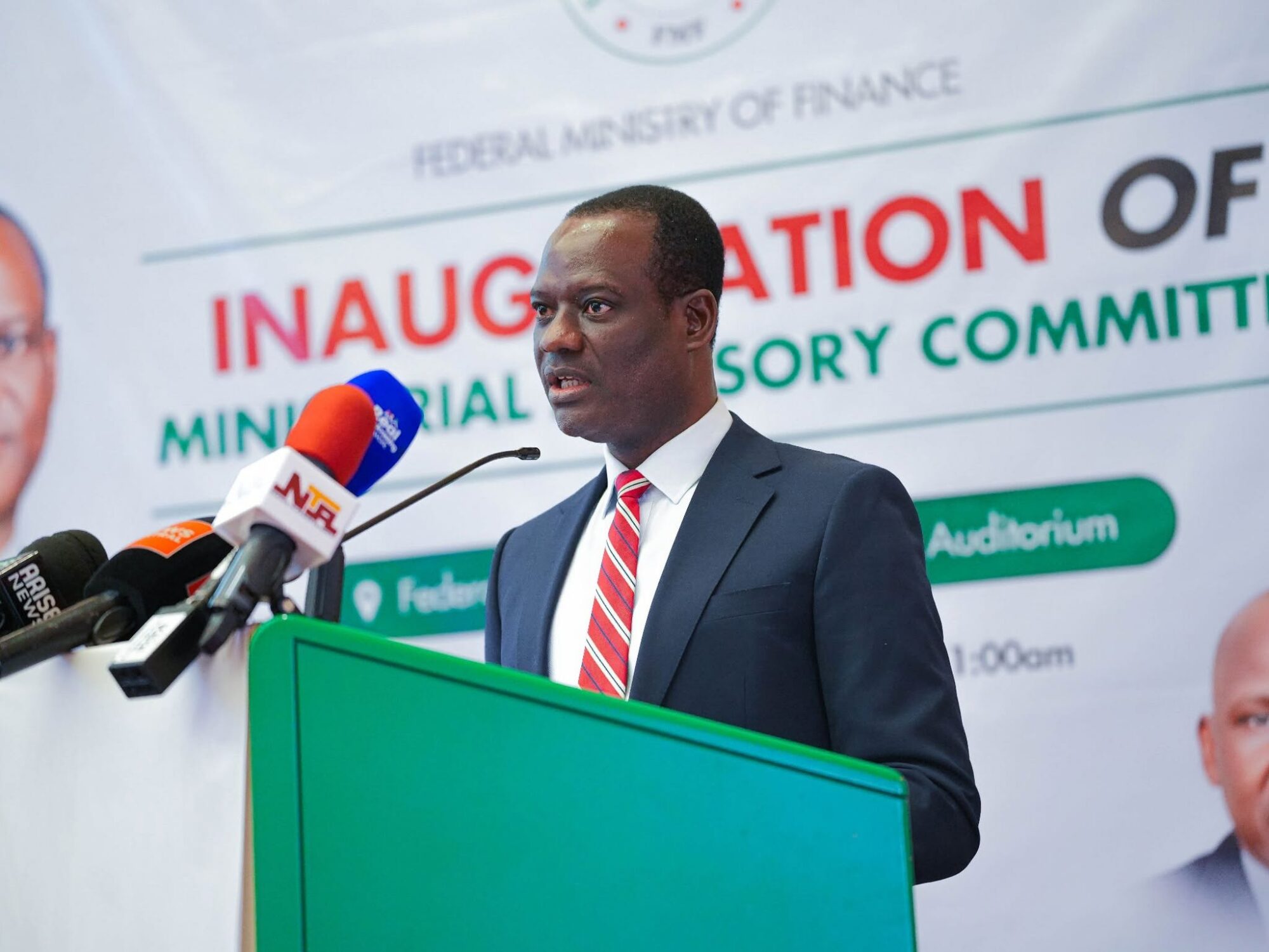
At the 2026 World Bank/IMF Annual Meetings in Bangkok, Finance Minister Taiwo Oyedele announced Nigeria's 7% growth target, expressing confidence the economy could outperform the IMF's projection. The declaration comes as the administration intensifies fiscal and monetary reforms to stimulate business activity and address inflationary pressures.
Why This Matters
The target reflects Nigeria's effort to close the gap between ambition and international expectations. With current lending rates near 30% and inflation driven by food, energy, and logistics costs, reducing inflation to single digits is seen as essential to unlocking cheaper credit and sustainable expansion. The IMF's own projection, recently revised to 4.2% for 2026 and 4.3% for 2027, factors in improved macroeconomic stability but warns of persistent poverty and food insecurity risks if essential goods prices remain high.
Key Takeaways
- Nigeria aims for 7% GDP growth in 2027, significantly above the IMF's 4.3% projection
- The government plans to complement CBN monetary policy with fiscal interventions targeting inflation drivers
- Reducing inflation to single digits could enable single-digit interest rates, lowering borrowing costs for businesses
- Foreign exchange stability has improved due to CBN actions, though reforms remain central to maintaining momentum
- The administration warns that reversing key measures, particularly fuel subsidy removal, could trigger capital flight and weaken the naira
- IMF recommends targeted cash transfers to protect vulnerable households from rising food and energy costs
Conclusion
Nigeria's 7% growth target for 2027 represents a bold statement of intent, backed by a reform agenda designed to deliver stronger macroeconomic outcomes. Whether the goal is achieved will depend on the continuity of fiscal policies, the effectiveness of inflation control measures, and the government's ability to balance investor confidence with citizen welfare. The coming years will test whether the administration can bridge the gap between target and reality.




Discussion
Join the conversation
Thoughtful reactions, questions, and follow-up ideas help shape the next story.