Introduction
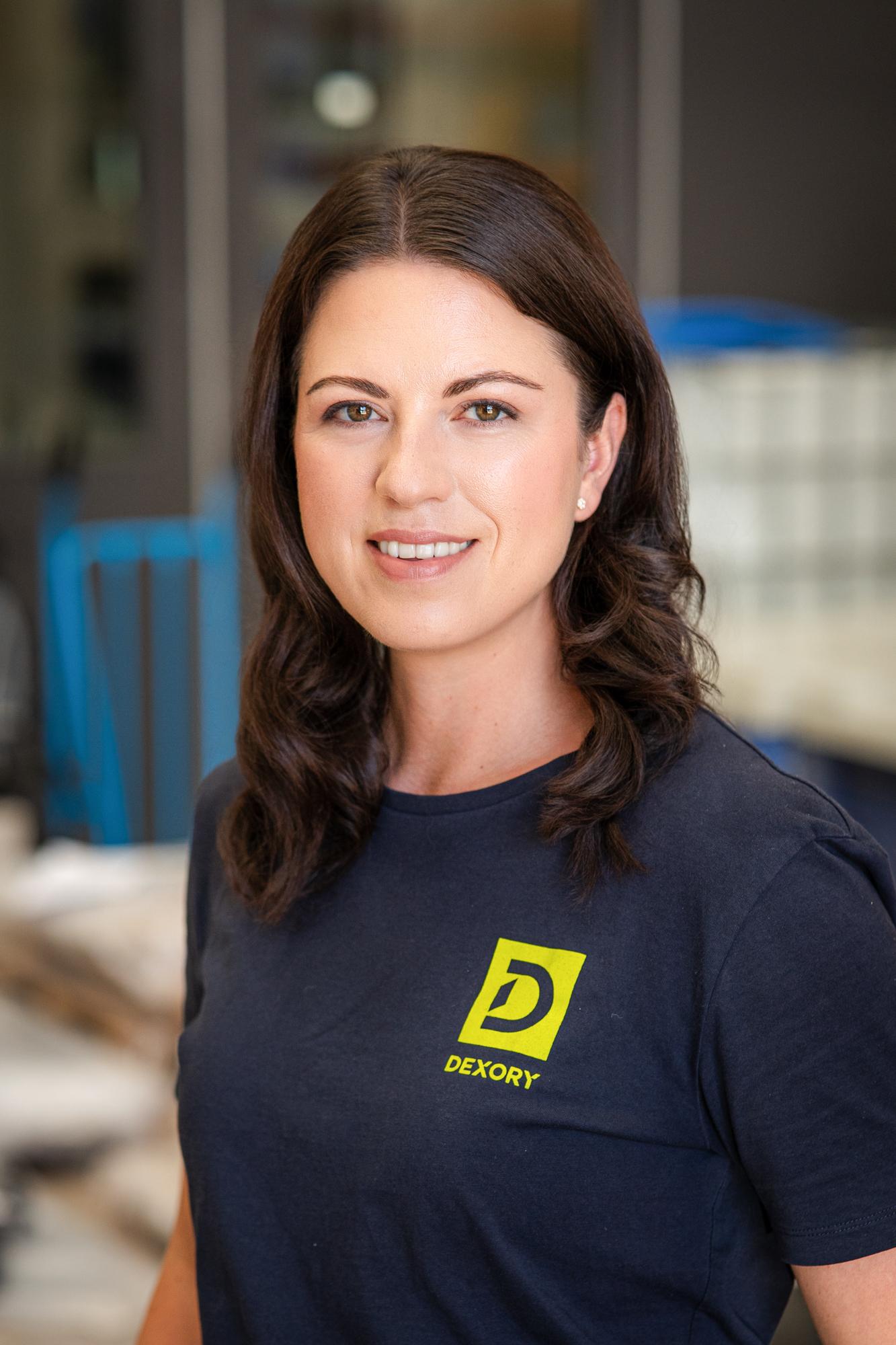
The robotics industry is undergoing a significant transformation, yet it still faces a critical talent shortage and a lack of diversity. Oana Jinga, cofounder of Dexory, argues that welcoming nontraditional backgrounds isnt just a nice-to-have--its essential for the next wave of innovation. Her journey from liberal arts education to leading a $280 million robotics company demonstrates that expertise in the field does not follow a single path.
What Happened
Before co-founding Dexory a decade ago, Jinga had no formal robotics experience. Her background spans liberal arts and business, with a career in marketing, sales, and partnerships at major companies like Telefonica and Google. Hailing from Romania and studying in the UK, she entered a field dominated by super-qualified scientists, many of them men. In the early days, she was often the only woman in the room. Today, she observes more women in conferences, engineering teams, and leadership roles--but emphasizes that this progress isnt the finish line. The industry still has work to do to truly become inclusive.
Why This Matters
The talent gap in robotics is well documented. Founders struggle to hire, yet job descriptions often demand decades of niche experience that few outside the field possess. Jinga argues the solution lies in redefining what roles matter. Robotics needs product thinkers, designers, operators, salespeople, and storytellers alongside engineers. The industry must start selling the problems robots solve--safer environments, reduced waste, AI-driven physical-world solutions--rather than obsessing over sensors and hardware specs. When the narrative shifts, the talent pool widens significantly.
Key Takeaways
- Nontraditional backgrounds bring fresh perspectives that drive innovation in robotics
- The industry's talent gap can narrow by looking beyond conventional STEM pathways
- Shifting the story from robots to what robots make possible attracts broader interest
- Romania's rising robotics clubs, with mixed-gender teams winning international competitions, signal a more diverse future
- Founders benefit from sharing the full journey--setbacks, failures, and everyday challenges--to make the field more relatable
Conclusion
Robotics cant solve its talent crisis by looking in the same places it always has. Embracing nontraditional paths, redefining job requirements, and sharing the real story of building a company are essential steps toward a more inclusive and innovative industry. As Jinga's experience shows, a liberal arts background and a willingness to solve meaningful problems can be just as valuable as any lab degree.



Discussion
Join the conversation
Thoughtful reactions, questions, and follow-up ideas help shape the next story.