Introduction
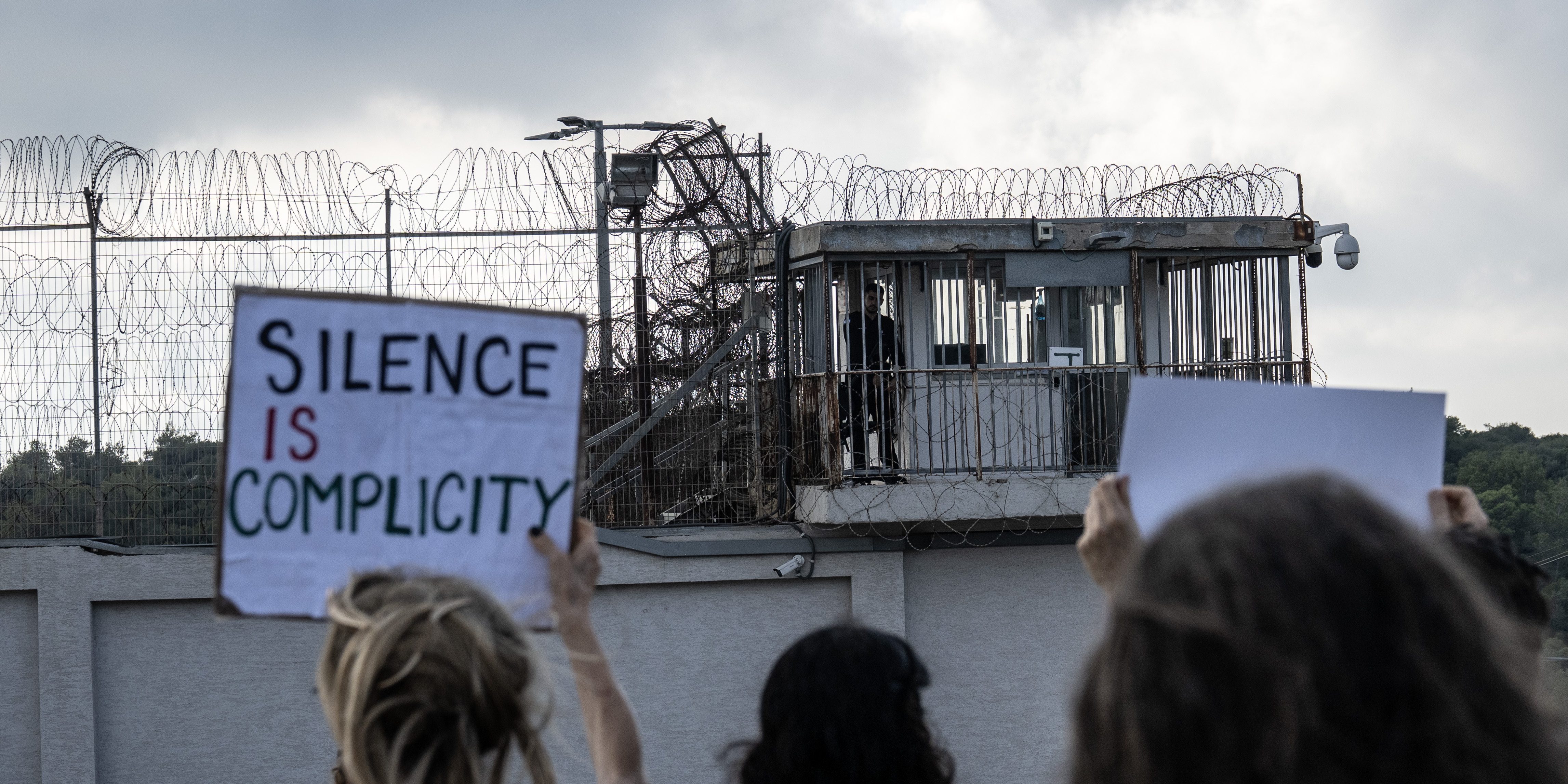
Dana Joudeh, a 35-year-old Palestinian from Nablus, gave birth under extraordinary circumstances while shackled to a hospital bed during an emergency C-section inside an Israeli detention facility. Her experience highlights the difficult realities for Palestinian women imprisoned during pregnancy.
What Happened
Joudeh was arrested without charges and placed under administrative detention after learning she was pregnant. Throughout her six-month imprisonment, she faced severe food shortages, receiving only a slice of toast and basic staples, and relied on fellow inmates to share their limited rations. She suffered headaches, bleeding, and later scabies, but prison authorities denied adequate medical care, including common pain relief. Despite repeated requests for prenatal vitamins and testing, guards refused. By July, her condition worsened, and she was found to be anemic.
On September 12, Joudeh delivered a premature baby girl via emergency C-section. She was forced to watch the procedure while her hands and feet remained shackled, surrounded by armed guards. The newborn, named Lia, was taken from her within 72 hours and rushed to a neonatal unit, while Joudeh was returned to prison.
Why This Matters
Joudeh's case is not isolated. Palestinian rights advocates document that she is only the second known woman to give birth in Israeli detention in nearly 17 years. Since October 7, 2023, hundreds of Palestinian women have been arrested, many under administrative detention without charge or trial. Reports indicate systemic denial of prenatal care, frequent shackling, poor sanitation, and psychological abuse. The conditions violate basic medical standards and international human rights norms.
Broader context includes movement restrictions in the West Bank, a devastated health system in Gaza, and over 9,000 Palestinian prisoners held, including 90 women and more than 350 children, many under administrative detention.
Key Takeaways
- Dana Joudeh gave birth by emergency C-section while shackled, with minimal medical support.
- Prison authorities provided insufficient food, no prenatal vitamins, and denied basic pain relief.
- Her newborn was separated immediately, placed in neonatal care, while she was returned to detention.
- Administrative detention without charge or trial remains a central mechanism holding Palestinian women without trial.
- International and Israeli rights groups document a pattern of mistreatment of pregnant Palestinian prisoners.
Conclusion
Joudeh's harrowing birth story underscores the urgent need for independent oversight of detention conditions, particularly for pregnant people in custody. Her recovery with her sister in Ramallah and her desire to celebrate her daughter's arrival humanize the statistics, but the systemic issues persist. Without structural change, more women will continue to give birth behind bars, alone and under guard.






Discussion
Join the conversation
Thoughtful reactions, questions, and follow-up ideas help shape the next story.