Introduction
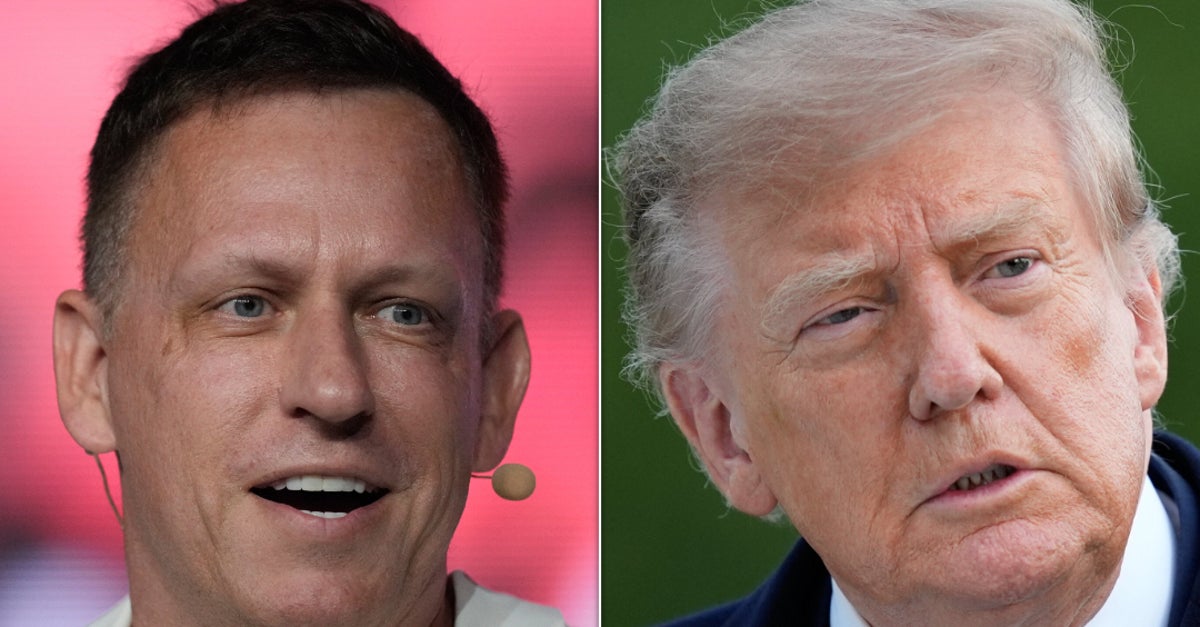
Peter Thiel, the billionaire tech investor and early Donald Trump supporter, has sparked fresh debate by openly critiquing the composition of the current White House staff. During a wide-ranging interview on the MD Meets podcast with journalist Mathias Döpfner, Thiel reflected on the evolution of Trump's two administrations, contrasting the first term's internal friction with the second term's sweeping loyalty tests.
What Happened
Thiel explicitly stated the current White House is "staffed by not very smart but very loyal people." He argued that the first administration struggled with infighting and disagreement, while the second has over-corrected with unquestioning loyalty tests, prioritizing allegiance over competence. His comments come as the 2026 political landscape shifts and voter sentiment evolves.
Why This Matters
Thiel's remarks touch on broader concerns about voter fatigue with the Republican Party, echoing sentiments seen at the tail end of previous Republican presidencies. He suggested that if Democratic Socialists take over the Democratic Party, that would be a much bigger deal, and warned that such a shift could be catastrophic. His interview underscores the tension between competence and loyalty in Trump's orbit.
Key Takeaways
- Thiel believes the first Trump administration struggled with infighting, while the second has over-corrected with unquestioning loyalty.
- He explicitly stated the current White House is "staffed by not very smart but very loyal people."
- The billionaire warned that voter fatigue could push the electorate toward alternative political forces, including Democratic Socialists within the Democratic Party.
- Thiel's financial backing shifted from direct Trump donations in 2016 to substantial support for JD Vance's 2022 Senate campaign.
- His past statements questioning the compatibility of freedom and democracy continue to fuel controversy.
Conclusion
Whether Thiel's critique resonates with the broader public or remains a billionaire's political reflection, his interview underscores the ongoing tension between competence and loyalty in Trump's orbit. As the 2028 race takes shape, the dynamics he highlighted—voter fatigue, party realignment, and the battle between establishment and anti-establishment forces—will likely remain central to the national conversation.
Discussion
Join the conversation
Thoughtful reactions, questions, and follow-up ideas help shape the next story.