Introduction
Philadelphia has a history of pushing back against technological advances that feel too fast or too invasive, and the latest clash between residents and automation is no exception. A 78-year-old woman's recent arrest for blocking a delivery robot on the sidewalk has reignited debate over how much automation the public will tolerate.
What Happened
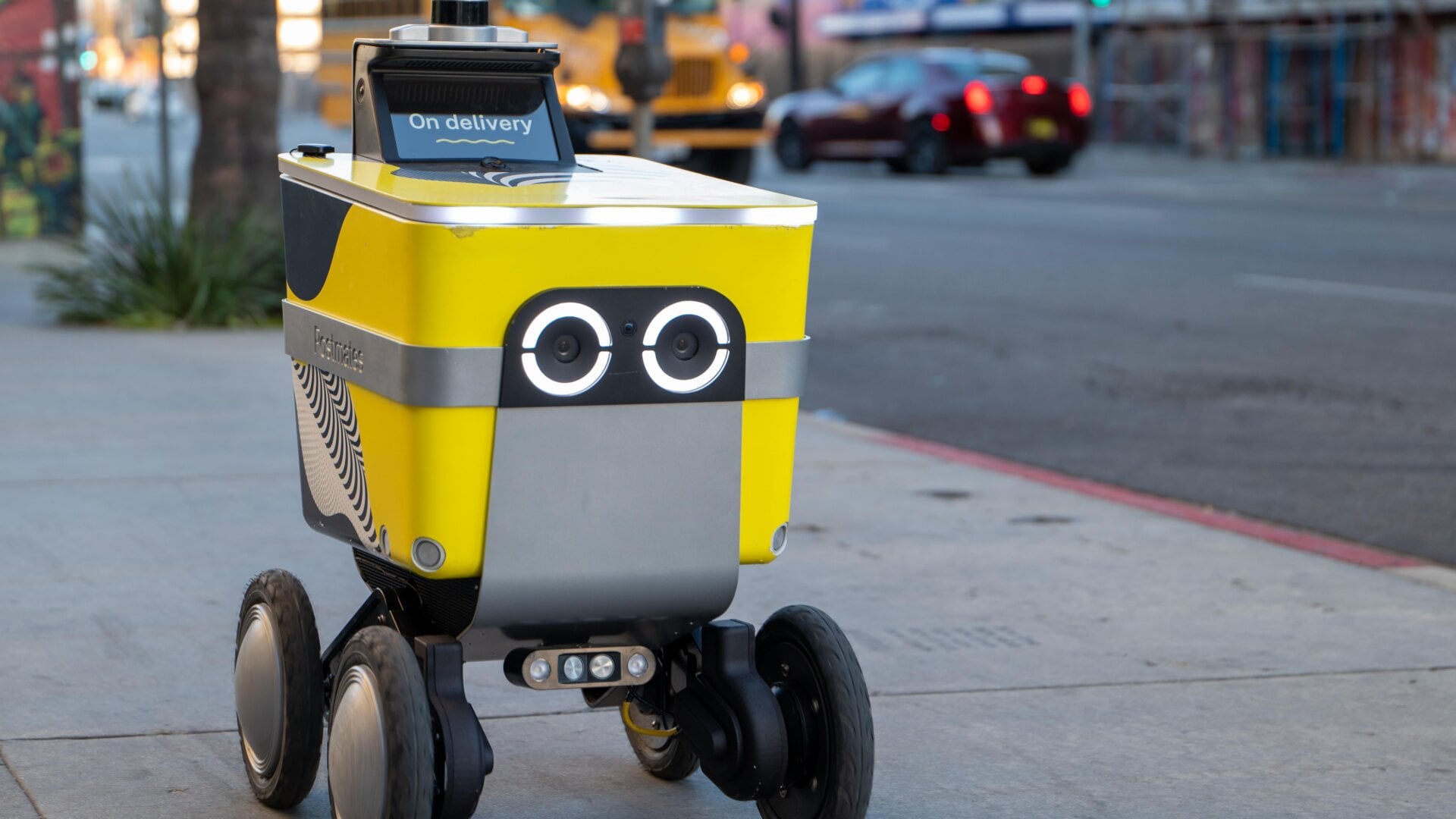
According to reports, the incident occurred near Reading Terminal Market when a woman stepped in front of an Uber-operated delivery robot and refused to let it move forward. Police were called to the scene, ordered her to clear the path, and upon her refusal, arrested her for disorderly conduct. The woman told local outlet ABC 13 that she regularly protests delivery robots, arguing they threaten human jobs and that she has a right to demonstrate against them.
Why This Matters
The case highlights the tension between expanding automation and concerns about labor displacement, public sidewalk usage, and the precedent cities set for robotic intruders. Philadelphia's past rejection of the HitchBOT hitchhiking robot—which was vandalized and beheaded after failing to gain community support—shows the city's long-standing skepticism toward uninvited technology on its streets.
Key Takeaways
- The woman faces disorderly conduct charges after blocking a delivery robot near a major market.
- She claims a First Amendment right to protest automation she believes is costing human workers their jobs.
- Philadelphia has a documented history of resisting robotic incursions, from HitchBOT to current delivery bots.
- The incident reflects broader societal debates over automation, public space, and worker protection.
Conclusion
As delivery robots become more common in urban environments, confrontations like this one are likely to increase. Whether seen as heroism or obstruction, the arrest underscores the need for clear policies on how autonomous technology interacts with public life. Philadelphia's message is unmistakable: automated couriers are not automatically welcome on its sidewalks.





Discussion
Join the conversation
Thoughtful reactions, questions, and follow-up ideas help shape the next story.