Introduction
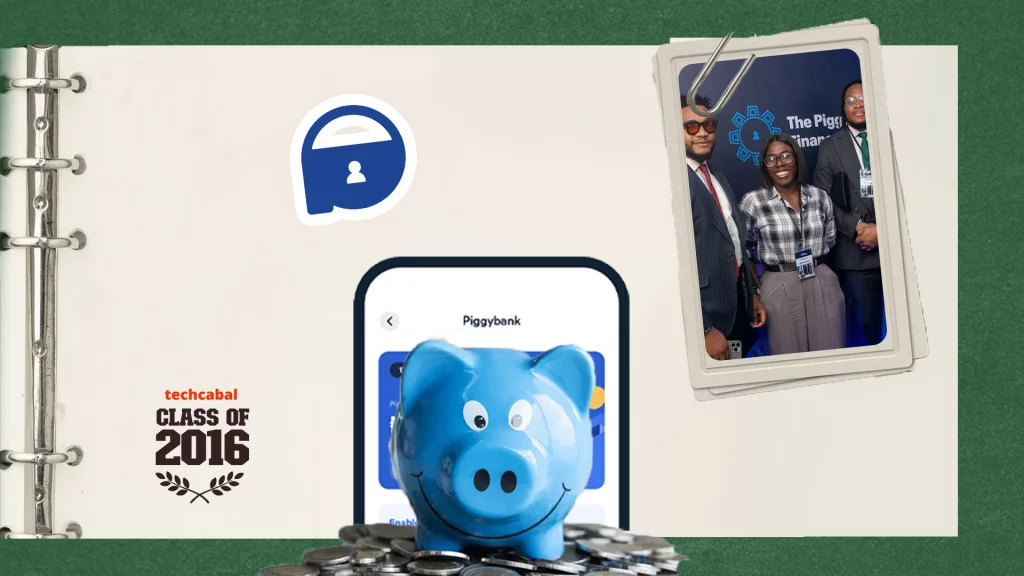
PiggyVest began as a response to a familiar Nigerian challenge: saving without a reliable system. When Joshua Chibueze saw a viral post about a broken wooden savings box, known as a kolo, he recognized a personal need and a broader cultural habit. Together with co-founders Odun Eweniyi, Somto Ifezue, and the wider founding collective, he set out to digitize the trusted practice of daily savings, creating a platform that would eventually reach millions.
What Happened
The journey started on January 1, 2016, when the team launched a digital version of the kolo that automatically debited users' cards according to a chosen schedule. Early adoption was slow but steady, and within months, the platform survived a major credibility test when the Ponzi scheme MMM froze withdrawals across Nigeria. PiggyVest's founders went public with their faces, inviting users to verify their identity, and the trust they built became the foundation for rapid growth. Partnerships with Paystack enabled the automated debit feature to work reliably, and the company secured its first major investment, a $50,000 cheque from Village Capital in April 2017. Over the following years, PiggyVest expanded beyond personal savings, launching Abeg as a peer-to-peer payments app, rebranding it as Pocket, and securing its own banking licences during the 2020 lockdown. By 2025, the platform had paid out over ₦1.3 trillion to users, supporting a community of 6.7 million people.
Why This Matters
PiggyVest's decade-long trajectory reflects broader shifts in Nigeria's digital finance landscape. The platform demonstrated that trust, built through transparency and founder visibility, could overcome deep-seated skepticism toward online financial services. It also showed how regulatory changes, from the Central Bank's naira float to new licensing requirements, force fintechs to adapt or risk obsolescence. With ₦3 trillion+ paid out since 2016, PiggyVest has become a benchmark for how homegrown savings platforms can scale into comprehensive financial ecosystems.
Key Takeaways
- Trust first: Founders' public presence and small-scale pilot programs helped convert skeptics into long-term users.
- Regulatory agility: Pivoting from partner banks to owning a microfinance licence allowed PiggyVest to control its own narrative and scale confidently.
- Ecosystem expansion: From Abeg to Pocket, the company deliberately built complementary products rather than bloating its core savings app.
- Patient growth: Despite operating through multiple economic downturns, the platform prioritized unit economics over blitz scaling, resulting in sustainable user growth.
Conclusion
As PiggyVest rebuilds its app from the ground up and sets its sights on becoming Africa's digital financial hub, the next ten years promise to be defined by speed without sacrificing the trust that fueled its first decade. Co-founder Odun Eweniyi has emphasized that the goal is no longer just to save, but to provide a full suite of financial tools for Nigerians at home and abroad. Whatever the next chapter holds, the platform's first ten years prove that deliberate, user-focused growth can turn a simple savings idea into a lasting financial infrastructure.


Discussion
Join the conversation
Thoughtful reactions, questions, and follow-up ideas help shape the next story.