Introduction
Health authorities in Minnesota have issued a public alert after a rabid bat was discovered on a city sidewalk earlier this month, prompting officials to search for a woman who reportedly handled the animal. The incident underscores the serious health risks associated with unexpected wildlife encounters.
What Happened
According to the Minnesota Department of Health, a bat was found on a downtown Minneapolis sidewalk on September 15. The animal died and was sent for rabies testing, with results confirming the virus on September 18. Before the positive result was confirmed, a woman was seen crouching beside the bat and placing it into a bag. The department described the individual as being in her 20s or 30s, approximately 5 feet 5 inches tall, with curly brown hair, and accompanied by a curly-haired dog resembling a golden retriever.
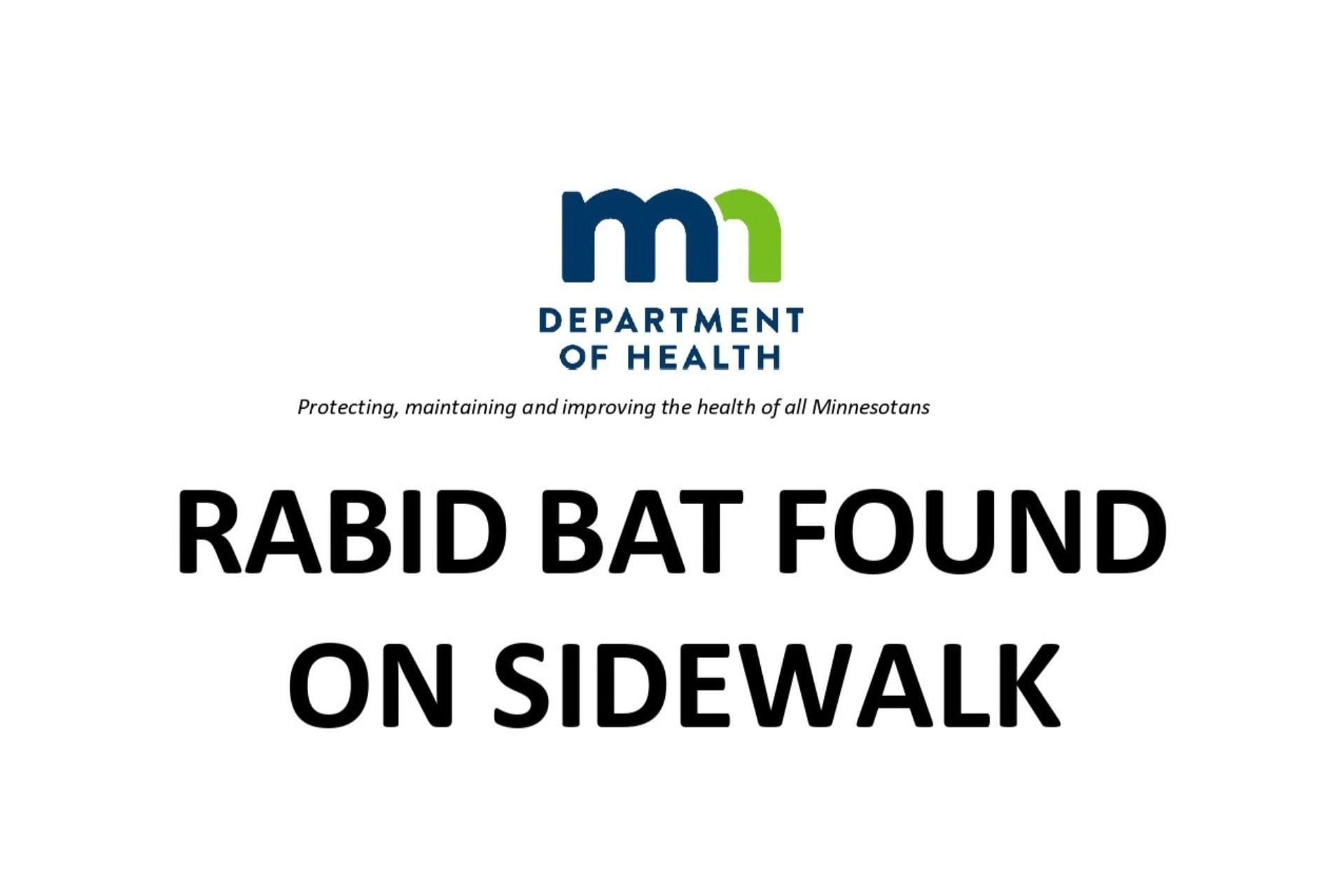
The department has distributed flyers across Minneapolis asking the woman or anyone who may have touched the bat to contact health officials or seek medical assessment. A local journalist recently uncovered one of the posted flyers, prompting the department to confirm its authenticity.
Why This Matters
Bats can transmit rabies through bites or scratches that may be so minor they go unnoticed. The Minnesota Department of Health emphasizes that anyone who had physical contact with the animal should seek an evaluation for post-exposure prophylaxis, a highly effective preventive treatment most effective when given before symptoms appear.
Rabies remains nearly fatal once clinical symptoms develop, which is why rapid identification of exposed individuals is critical. The case also reflects a broader trend: federal health data shows a significant rise in rabies-related inquiries and post-exposure prophylaxis use nationwide, underscoring the ongoing importance of vigilance.
Key Takeaways
- Anyone who touched or handled a bat in Minneapolis around September 15 should call 911 and request connection to Animal Care and Control, or contact the Minnesota Department of Health at 651-201-5414.
- Post-exposure prophylaxis is highly effective when administered promptly, before any rabies symptoms develop.
- Rabies transmission can occur from bites or scratches that may not immediately cause pain or visible marks.
- Public health officials are working to identify and notify anyone who may have had contact with the rabid animal.
Conclusion
With the woman having recently contacted health authorities, there is hope that all potential exposures will be properly assessed and addressed. The incident serves as a stark reminder to avoid handling wild animals and to seek immediate medical guidance if any unexpected contact occurs. Health authorities continue to urge the public to report any potential rabies exposures without delay.



Discussion
Join the conversation
Thoughtful reactions, questions, and follow-up ideas help shape the next story.