Introduction
Detroit has long been a symbol of American industrial might, from assembly lines to Motown. Now the city is hosting the Fortune 500 Innovation Forum, where executives and policymakers are grappling with what it takes to build the next economy. But a difficult week of technology failures served as a stark reminder: ambitious plans for artificial intelligence and digital transformation mean little if the underlying networks cannot hold up.
What Happened
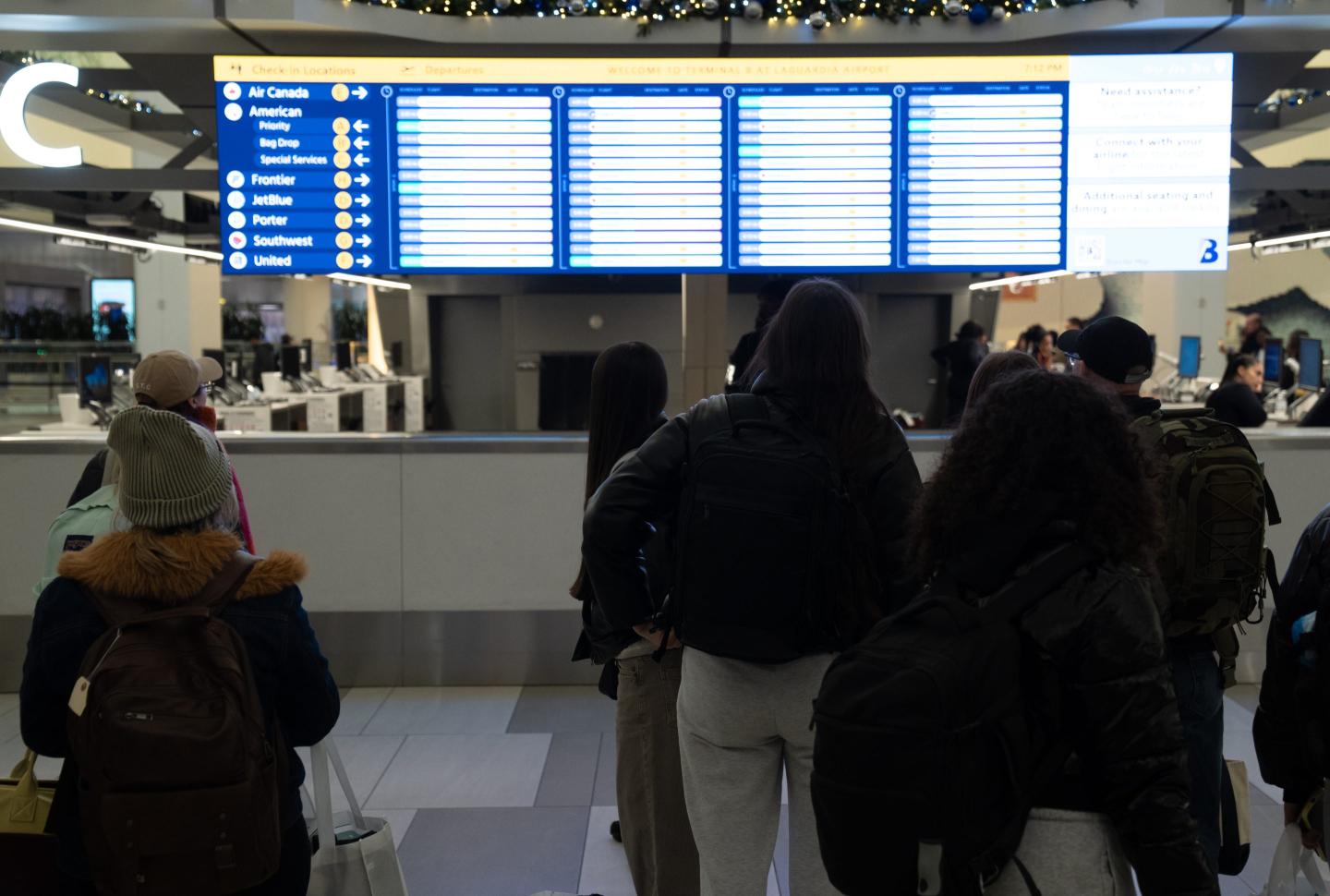
On Thursday, a widespread Microsoft service disruption left millions of users unable to access essential work tools. The very next day, the Federal Aviation Administration issued a nationwide ground stop, halting flights across the United States. Transportation Secretary Sean Duffy said the FAA disruption appeared to stem from a router or installation issue involving legacy copper communications infrastructure managed by L3Harris, and he expressed confidence that foul play was not involved, though federal investigators remain open to other possibilities.
Lumen Technologies CEO Kate Johnson, who was in Detroit for the forum, had spoken earlier in the week about replacing outdated copper telephone networks with fiber-optic cable. While Lumen was not connected to the FAA incident, Johnson said the ground stop reinforced a warning she has been delivering: many organizations are attempting to run modern operations on foundations built for a previous era.
Why This Matters
For decades, businesses and public agencies have treated networks like invisible plumbing—something that simply works in the background. That assumption is no longer safe. As companies race to adopt AI, expand data centers, and digitize core services, the quality of physical and digital infrastructure determines whether those investments succeed or fail.
The stakes extend beyond inconvenience. A grounded airline system affects travelers, supply chains, and the broader economy. A collapsed productivity platform halts offices, schools, and hospitals. Leaders gathering in Detroit emphasized that resilience cannot be retrofitted after a crisis; it must be planned and funded from the start.
Key Takeaways
- A Microsoft outage on Thursday disrupted access to critical business tools for millions of users.
- An FAA nationwide ground stop on Friday was linked to legacy copper network issues, not a confirmed cyberattack.
- Transportation Secretary Sean Duffy cited a likely router or installation problem and said the investigation is ongoing.
- Lumen CEO Kate Johnson argued that legacy infrastructure cannot support the demands of the AI era.
- Executives at the Fortune 500 Innovation Forum in Detroit called for proactive investment in resilient networks before scaling new technologies.
Conclusion
The conversation in Detroit made one thing clear: the next wave of innovation depends on more than software and algorithms. It depends on fiber, power grids, reliable routers, and the people who maintain them. If the past week taught anything, it is that infrastructure should never be treated as an afterthought. For companies and policymakers alike, building a resilient foundation is the first step toward any meaningful technological future.
Discussion
Join the conversation
Thoughtful reactions, questions, and follow-up ideas help shape the next story.