Introduction
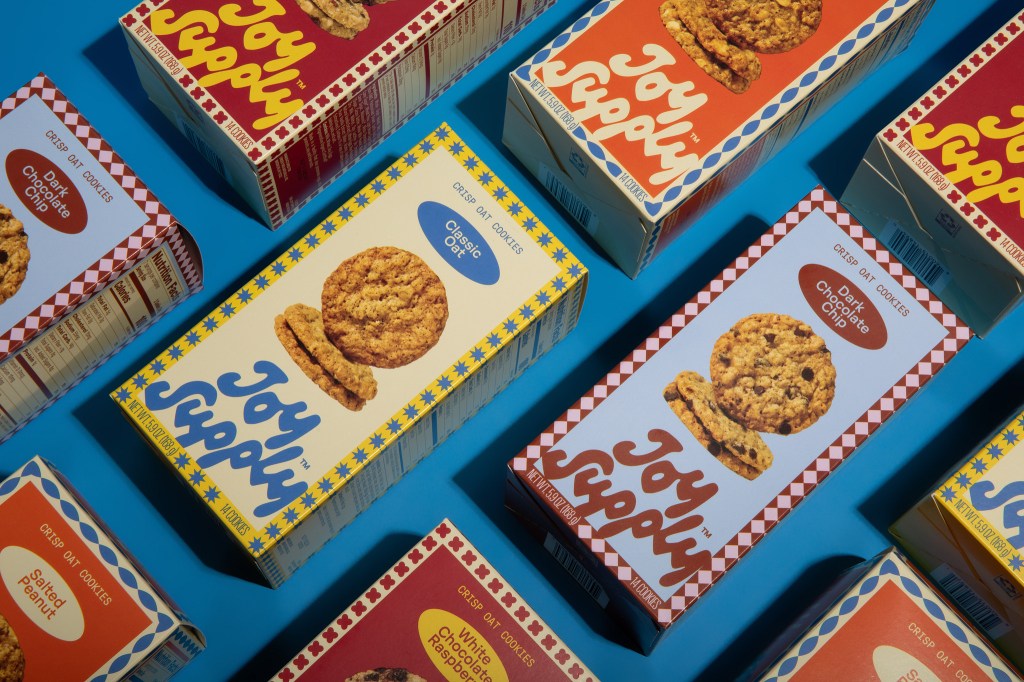
Joy Supply entered the snack market with a mission-driven approach, combining great taste with regenerative farming practices. Founder Lindsay Leopold leveraged over a decade of food industry experience to create a crispy oat cookie that appeals to conscious consumers without compromising flavor.
What Happened
Leopold developed more than 100 SKUs over her career before deciding to launch a regenerative cookie brand. After becoming a mother, she noticed a gap in the market for nostalgic, home-style snacks made with better ingredients. She raised approximately $700,000 to launch Joy Supply in May 2026, achieving $20,000 in pre-launch sales within the first month and securing shelf space at select New York retailers.
Why This Matters
The brand illustrates how sustainable ingredient sourcing can coexist with strong consumer demand when products prioritize taste first. Leopold's journey highlights the challenges and opportunities facing new CPG founders, from manufacturing hurdles to retail expansion, while demonstrating that mission-driven positioning can attract both investors and retail partners like Nordstrom and Central Market.
Key Takeaways
- Founders can use a Trojan horse product to introduce sustainable farming practices through familiar, beloved foods.
- Manufacturing partnerships require careful vetting; small, certified co-packers may offer quality but at higher cost.
- Awards and media coverage can accelerate retail interest and investor confidence.
- Networking within the CPG community often yields unexpected opportunities and partnerships.
Conclusion
Joy Supply's first-year trajectory shows that a clear mission, combined with strategic funding and retail outreach, can turn a niche idea into a scalable snack brand. Leopold remains focused on expanding into more grocery aisles while keeping the core experience joyful and accessible for every cookie lover.








Discussion
Join the conversation
Thoughtful reactions, questions, and follow-up ideas help shape the next story.