Introduction
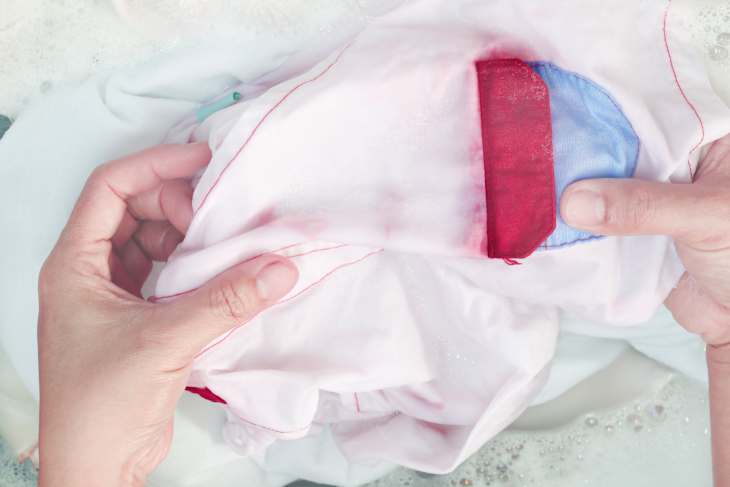
Accidentally turning a load of white clothes pink is a frustrating laundry mistake, but it doesn't have to mean tossing your favorite garments. With the right approach and a bit of patience, dye transfer can be reversed using common household items and a proven five-step method.
What Happened
When a newly moved-in couple combined laundry loads for the first time, a maroon sweatshirt bled color into a pile of pristine white button-down shirts. The result was a pastel pink tint across all the garments, and repeated washing only made the stain set deeper. The homeowner turned to cleaning expert Scott Schrader of CottageCare to find a solution that wouldn't damage the fabrics.
Why This Matters
Dye transfer is a common laundry pitfall, especially when mixing lights and darks. Heat from the dryer can permanently set the stain, making recovery much harder. Understanding the correct soaking and washing technique helps protect clothing investments and avoids unnecessary replacement costs.
Key Takeaways
- Always rinse stained fabric with cold water first, as this lifts loose dye particles.
- Soak the items in an oxygen-based color-safe bleach solution—or a dye remover—in the hottest water the care label allows, for six to eight hours or overnight.
- Wash the garment alone using heavy-duty detergent on the hottest safe temperature setting.
- If the stain persists, repeat the soak and wash cycle until the color is fully lifted.
- Never put the clothing in the dryer until the stain is completely gone, and avoid scrubbing, which can push dye deeper into the fibers.
- Using color catcher sheets in future washes can prevent this issue from recurring.
Conclusion
With the right steps, restoring white clothes after a dye mishap is straightforward and saves both garments and money. The key is acting quickly, using oxygen-based products, and resisting the urge to heat-set the stain. Next time a colorful accident happens in the wash, you'll have a reliable fix ready to go.





Discussion
Join the conversation
Thoughtful reactions, questions, and follow-up ideas help shape the next story.