Introduction
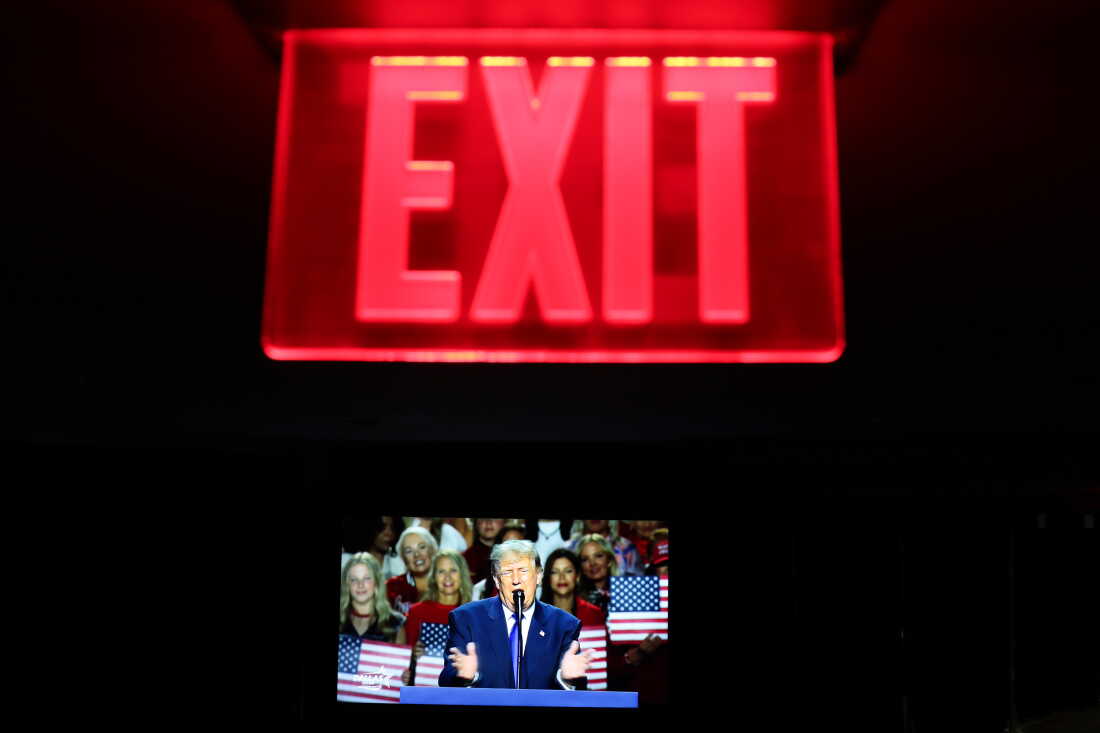
With less than six weeks until Election Day, a growing faction of Republican lawmakers and candidates are publicly distancing themselves from former President Donald Trump, signaling potential cracks in the party's once-solid front as the 2026 midterms approach.
What Happened
Several high-profile Republicans have broken with core elements of Trump's agenda. In Iowa, Senate candidate Ashley Hinson opposed the ongoing conflict with Iran, stating Iowans should not bear the cost at the pump or checkout line. Michigan GOP Senate hopeful Mike Rogers similarly linked rising grocery prices to the war, arguing an end to hostilities would ease energy costs. In Florida, Representative María Elvira Salazar released an ad directly criticizing Trump's immigration enforcement, warning that Hispanic voters who helped deliver the White House in 2024 now feel betrayed. Even elected officials not on the ballot this year are breaking ranks: Utah Senator John Curtis called for an investigation into Donald Trump Jr. after reports a Russian oligarch financed his wedding celebrations. These moves come as seven House Republicans joined Democrats in a resolution to remove U.S. forces from Iran, up from just four earlier in the summer.
Why This Matters
The defections matter because the GOP holds a razor-thin majority in Congress, and control of both the Senate and House could hinge on just a handful of toss-up races. With Trump repeatedly telling supporters to vote as if he were on the ballot, and with his approval ratings historically low, even small shifts in voter sentiment could decide competitive contests. Strategists note that distancing may help candidates appeal to key voting blocs, particularly Hispanic voters, who have shown signs of moving away from the party in recent cycles. The internal rift also risks energizing Democratic opponents and complicating legislative strategy for the remainder of the session.
Key Takeaways
- GOP dissent is expanding: Republicans running in competitive races are openly breaking with Trump on Iran, immigration, and economic policy.
- Voter sentiment is shifting: A recent NPR/PBS/Marist poll shows 45% of registered voters and a majority of independents view their vote as a rejection of Trump.
- Key demographics are in play: Hispanic voters, who swung right two years ago, are now showing signs of distancing, potentially affecting races in Texas and Florida.
- Leadership is not immune: Even sitting senators and representatives are distancing, from Curtis's call for investigation into Trump Jr. to Salazar's direct ad critique.
- Stakes are high: With a slim majority at risk, every break with the former president could influence the balance of power in Congress.
Conclusion
As the midterm campaign enters its final stretch, the sight of Republicans distancing themselves from Trump underscores how quickly political dynamics can shift when voter concerns especially around costs and war take center stage. Whether these breaks translate into electoral gains or party friction remains to be seen, but they undeniably mark a significant moment in the 2026 election cycle.
Discussion
Join the conversation
Thoughtful reactions, questions, and follow-up ideas help shape the next story.