Introduction
A Texas couple discovers a 1965 mid-century modern home that has remained untouched for decades. Their chance find at an estate sale sparks a restoration journey that balances historic preservation with modern comfort.
What Happened
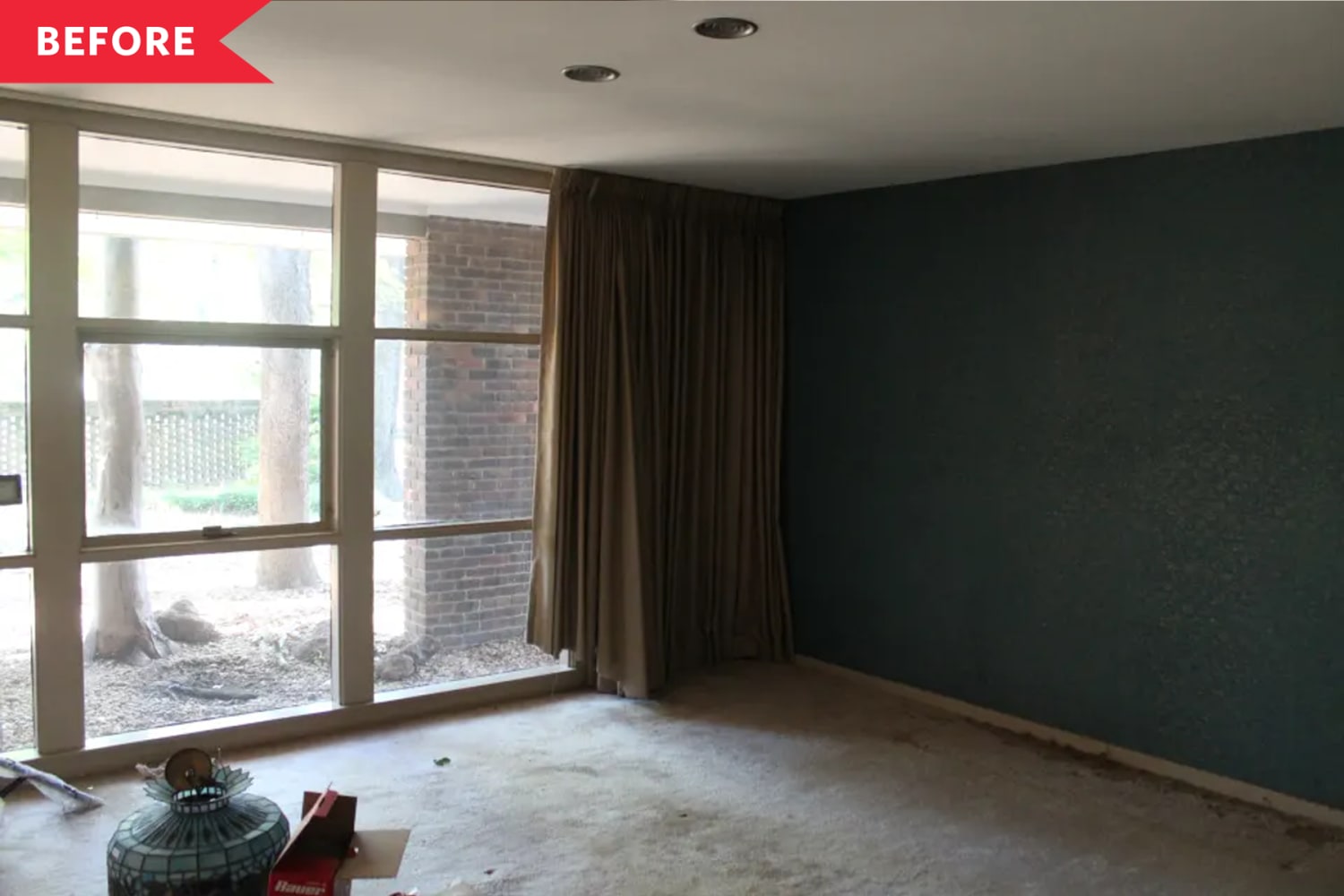
Hillary and Johnny Musselman bought the property after being captivated by the home's original front-wall windows and its remarkably preserved sixties character. Among their first finds were original blueprint sketches stashed in a kitchen drawer, drawn by architect E. Davis Wilcox, a key figure in Tyler, Texas mid-century development. Using these plans as a guide, the couple set out to retain the home's retro soul while introducing contemporary livability. Their work included removing original carpeting, installing ceiling fans for Texas summers, and renovating the kitchen by replacing outdated ceiling tiles and fixtures with recessed lighting. They also confronted a significant flooring issue, where the concrete slab had been poured at varying levels to accommodate the original carpet, requiring careful leveling to match existing tile areas.
Why This Matters
Preserving a home that has avoided the heavy-handed remodels of recent decades is rare. The Musselmans' project shows how original blueprints can serve as both roadmap and historical document, allowing owners to honor an architect's intent without freezing a space in time. Their work highlights the value of mid-century modern design and offers a model for homeowners who want to blend retro authenticity with everyday function.
Key Takeaways
- Original blueprints can guide a restoration while revealing design changes made between concept and completion.
- Retaining architectural details—such as built-in cabinets, hardware, and wood paneling—maintains a home's historic integrity.
- Expect structural quirks like uneven concrete slabs when working around original carpeting and tile transitions.
- Mid-century modern homes benefit from modern comforts like ceiling fans, but thoughtful placement keeps the aesthetic intact.
- Viewing yourself as a steward rather than an owner helps ensure the property's history endures for future generations.
Conclusion
Restoring a 1960s architectural gem is as much about storytelling as it is about renovation. By honoring the original blueprints and respecting the architect's design, the Musselmans created a living space that feels both nostalgic and fresh. Their journey offers inspiration for anyone looking to balance preservation with personal style in a classic home.



Discussion
Join the conversation
Thoughtful reactions, questions, and follow-up ideas help shape the next story.