Introduction
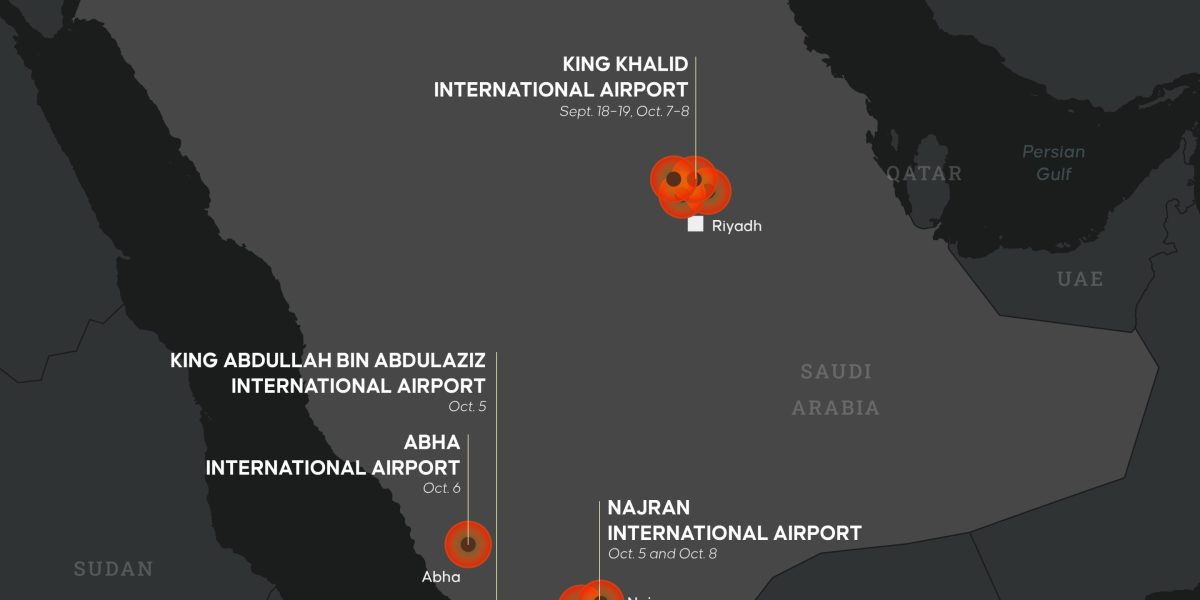
A missile strike on Riyadh's international airport resulted in 12 fatalities and over 300 injuries, marking the deadliest attack in any Gulf Arab nation since the Iran war escalated. The incident has triggered immediate humanitarian concerns and a rapid diplomatic response.
What Happened
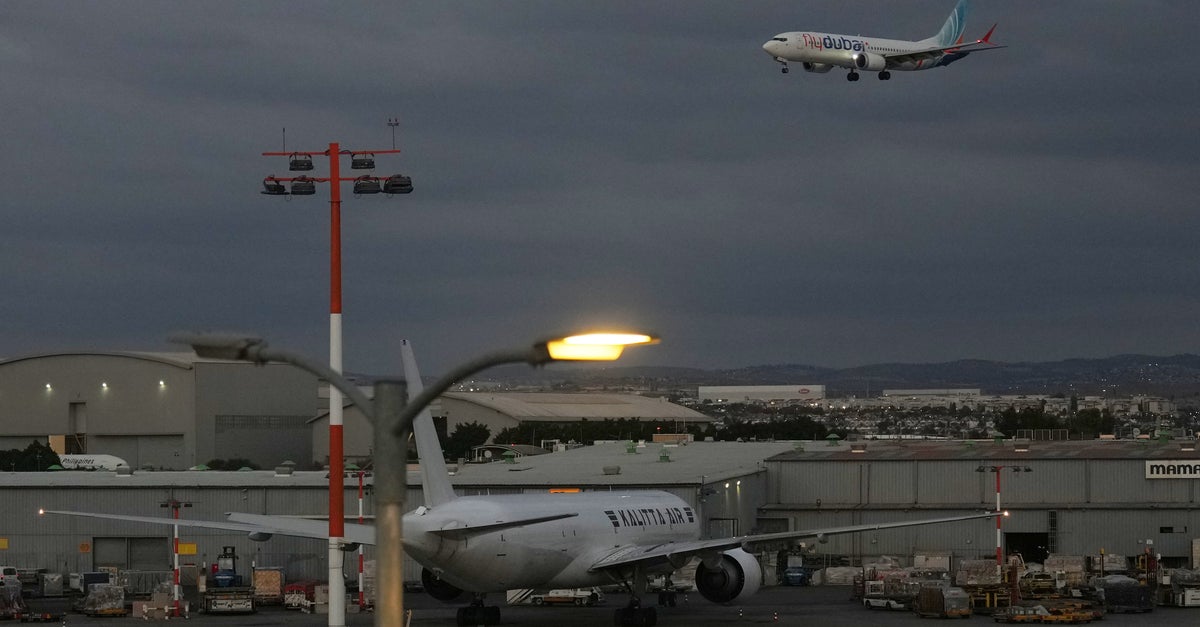
Early Sunday, civil aviation authorities confirmed that a projectile hit the complex housing terminals 3 and 4 at King Khalid International Airport, the capital's main hub. The explosion occurred during peak travel times, leading to widespread chaos. Civilian and military casualties included citizens from Saudi Arabia and at least eight other nations, including the United States, Egypt, Jordan, Syria, Sudan, Bangladesh, and Palestine. In the aftermath, airport operations were suspended indefinitely, flights were diverted, and several foreign governments issued travel warnings for the region.
Why This Matters
The attack represents a significant escalation in the proxy conflict between Iran-backed Houthi rebels and Saudi-led forces, particularly in Yemen. Regional analysts warn that the strike could prompt increased military cooperation between Saudi Arabia and its allies, including potential U.S. involvement. The incident has already rattled global oil markets and prompted urgent warnings from aviation regulators about flight safety in Saudi airspace. Additionally, the kingdom's dwindling interceptor stocks have led to requests for foreign air defense support, highlighting the broader strategic vulnerability.
Key Takeaways
- Over 300 people injured, 12 confirmed dead across multiple nationalities.
- Attack attributed to Houthi rebels, intensifying the Yemen conflict spillover.
- Saudi Arabia has requested air defense assistance from France, Britain, Pakistan, and Egypt.
- Several airlines have suspended flights to Riyadh, and EU aviation authorities issued heightened safety advisories.
- The strike may accelerate diplomatic efforts or further militarize the region's energy and aviation sectors.
Conclusion
As the region grapples with the fallout of the deadliest Gulf Arab attack in years, the focus shifts toward de-escalation, enhanced security measures, and the broader geopolitical implications for global energy stability. The coming days will likely determine whether this incident triggers a measured diplomatic response or a further militarized escalation.





Discussion
Join the conversation
Thoughtful reactions, questions, and follow-up ideas help shape the next story.