Introduction
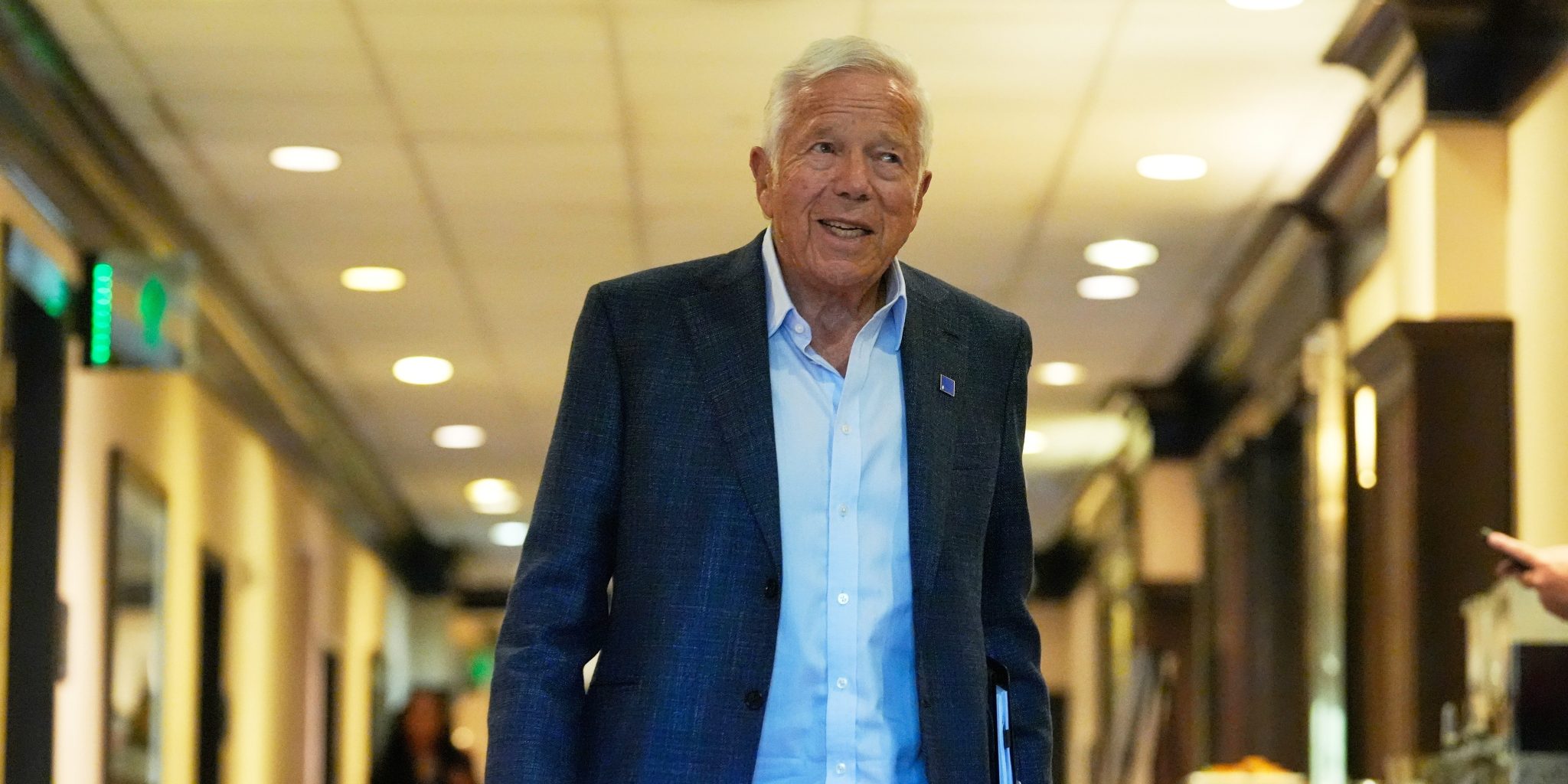
Robert Kraft, owner of the New England Patriots, has publicly claimed his charitable work advances opportunities for Palestinian communities. However, a detailed review of tax records by The Intercept reveals a different reality, showing his foundations have funneled significant funds toward organizations that support the Israeli military, creating a stark contrast between his stated goals and his actual giving.
What Happened
Since 2006, The Intercept's analysis of tax filings shows Kraft's charity, the Kraft Family Foundation, has given $196,000 to Friends of the IDF and an additional $123,000 to other groups that directly benefit Israeli soldiers, including Brothers for Life and Friends of Israel Disabled Veterans. Across seven separate donations to Friends of the IDF, Kraft earmarked the funds for education focused on young Jewish soldiers. Beyond those contributions, Kraft donated $20 million in 2019 to establish the Foundation to Combat Antisemitism, which later rebranded as the Blue Square Alliance Against Hate, and he has publicly opposed the Palestinian-led Boycott, Divestment and Sanctions movement. His giving also includes $3 million to the AIPAC super PAC United Democracy Project through his company the Kraft Group, with $1 million contributed during the most recent midterm cycle. Additional philanthropy includes $63,500 to the watchdog group CAMERA, $150,000 between 2008 and 2018 to the Middle East Media Research Institute, and $50,000 to the Investigative Project on Terrorism, an organization CAIR classifies as part of the U.S. Islamophobia Network. Separately, Friends of the IDF's lone soldier program, which assists young Jewish Americans and Israelis without familial support in joining the Israeli military reserve, has received over $20 million since 2020. Kraft has also arranged trips to Israel for current and former NFL players, including a 2017 visit to an Israeli Air Force base coordinated by Friends of the IDF.
Why This Matters
The gap between Kraft's public statements about supporting Palestinians and the organizations he funds illustrates how high-profile philanthropy can inadvertently or intentionally bolster entities involved in military operations and political lobbying against Palestinian rights. Friends of the IDF's lone soldier program channels young Jewish Americans and Israelis without family support into reserve service, while AIPAC's super PAC spending in recent midterm cycles has made several primaries among the most expensive on record, influencing outcomes on U.S. aid to Israel. When wealthy donors' giving aligns with groups that defend military actions and marginalize Palestinian advocacy, the financial flow shapes public discourse and policy well beyond the original intent of the donations, often without transparent disclosure.
Key Takeaways
- Kraft's charitable network has directed hundreds of thousands of dollars to Friends of the IDF and other Israeli military support groups, despite public claims of Palestinian-focused aid.
- Millions have flowed to AIPAC's super PAC and other pro-Israel lobbying entities, influencing U.S. elections and policy debates on Israel-Palestine.
- Donations to groups like CAMERA and the Middle East Media Research Institute have targeted critics of Israel, often labeling them as extremist or extremist-adjacent.
- The investigation, based on tax filings since 2006, shows how billionaire-led philanthropy can intersect with geopolitical conflicts in ways that contradict public messaging.
- Limited transparency around charitable giving makes it difficult to fully measure the scope of such influence without robust public disclosure.
Conclusion
Robert Kraft's philanthropic record reveals a significant disconnect between his public advocacy for Palestinian opportunities and the organizations he consistently supports. As wealthy individuals increasingly shape policy and public opinion through charitable giving, the gap between stated values and actual beneficiaries warrants closer scrutiny. Readers following the intersection of sports, wealth, and Middle East politics should watch for similar patterns in future donation disclosures.


Discussion
Join the conversation
Thoughtful reactions, questions, and follow-up ideas help shape the next story.