Introduction
Ron Johnson, the executive behind Apple's retail revolution, argues AI won't replace the in-store shopping experience despite billions invested in AI shopping agents. He believes physical stores remain essential, especially for high-value purchases.
What Happened
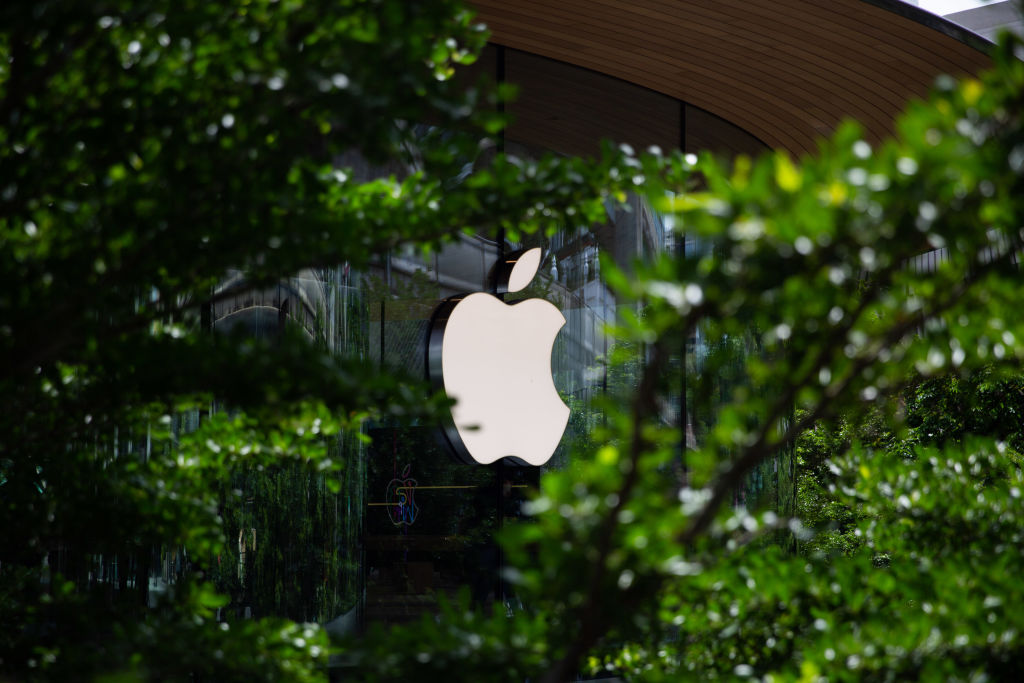
Johnson joined Apple in 2000 to build its retail division as online shopping began to rise. He designed stores prioritizing product interaction, learning, and support, creating the Genius Bar and a commission-free sales culture. His approach reshaped how tech companies think about physical retail. After Apple, he led J.C. Penney and founded Enjoy Technology, but his core belief in hands-on retail has endured.
Why This Matters
As tech giants push AI agents to automate product discovery and checkout, Johnson's skepticism offers a grounded perspective. He argues big-ticket items like laptops require personal interaction—consumers want to feel the weight, test the display, and verify size before spending thousands. Rather than replacing stores, he sees AI as a tool to better inform shoppers before they walk through the door.
Key Takeaways
- Johnson believes AI will enhance, not eliminate, the physical retail experience.
- Apple Stores were built on people-first design, not just glass and layout.
- No-commission staff were intentional, removing sales pressure to focus on customer needs.
- He views AI as a pre-shopping informant, not a substitute for the store visit.
- His career shift from Apple to failed turnarounds illustrates the difficulty of applying startup tactics to established retail.
Conclusion
While Silicon Valley doubles down on agentic commerce, Johnson's stance reminds us that some purchases remain deeply personal. AI may streamline research, but the decision to buy expensive electronics likely still starts with a hands-on experience.



Discussion
Join the conversation
Thoughtful reactions, questions, and follow-up ideas help shape the next story.