Introduction
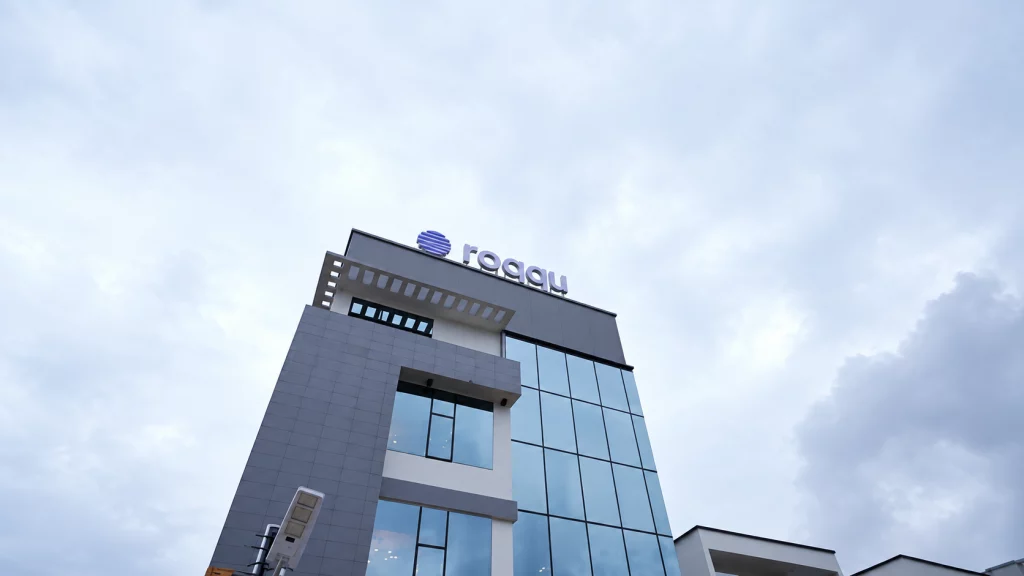
Roqqu, a Nigerian cryptocurrency exchange, is expanding beyond digital assets by developing a system to represent local equities on blockchain networks. The goal is to make Nigerian stocks accessible to eligible investors abroad while preserving the integrity of traditional securities infrastructure.
What Happened
When Dangote Refinery began selling shares in September, Nigerian investors could subscribe through banks and digital investment apps for as little as ₦5,250 ($3.96) per ten units. However, investors in other African markets like Kenya and Botswana faced fewer options, as the $1.6 billion offer was registered only in Nigeria. Roqqu's initiative aims to close that gap by enabling cross-border access to Nigerian equities through blockchain-based tokens.
Why This Matters
Tokenization could widen foreign participation in Nigeria's stock market, where foreign investors accounted for just 4.89% of equity transactions in August. The European Central Bank has noted that tokenisation only boosts liquidity if it attracts more buyers and sellers. For Nigeria, the opportunity lies in reaching investors who rarely use local brokerages, though the model still depends on custodial safeguards, regulatory approval, and clear legal links between tokens and underlying shares.
Key Takeaways
- Roqqu plans to issue blockchain tokens backed by shares held through the Nigerian Exchange and regulated custodians.
- Each token would represent a fractional interest in a listed share, with custody verified through the Central Securities Clearing System.
- The model relies on traditional brokers to purchase shares and authorized custodians to hold them, with Roqqu providing the issuance infrastructure.
- Regulatory clearance from the Nigerian SEC and compliance with cross-border securities rules remain key hurdles.
- Token holders would need enforceable custody arrangements to exercise voting rights, receive dividends, or redeem their positions.
Conclusion
Roqqu's initiative represents a significant step toward blending blockchain infrastructure with established African capital markets. While the technical framework is taking shape, the project's success hinges on regulator cooperation, custodial partnerships, and a proven model that delivers genuine investor benefits without compromising shareholder rights. If executed with proper oversight, tokenized Nigerian equities could expand market access and deepen liquidity for the continent's stock exchanges.









Discussion
Join the conversation
Thoughtful reactions, questions, and follow-up ideas help shape the next story.