Introduction
OpenAI's leadership is stepping into the energy sector's biggest security challenge. As AI systems become integral to critical infrastructure, the need to protect the power grid from digital threats has never been more urgent.
What Happened
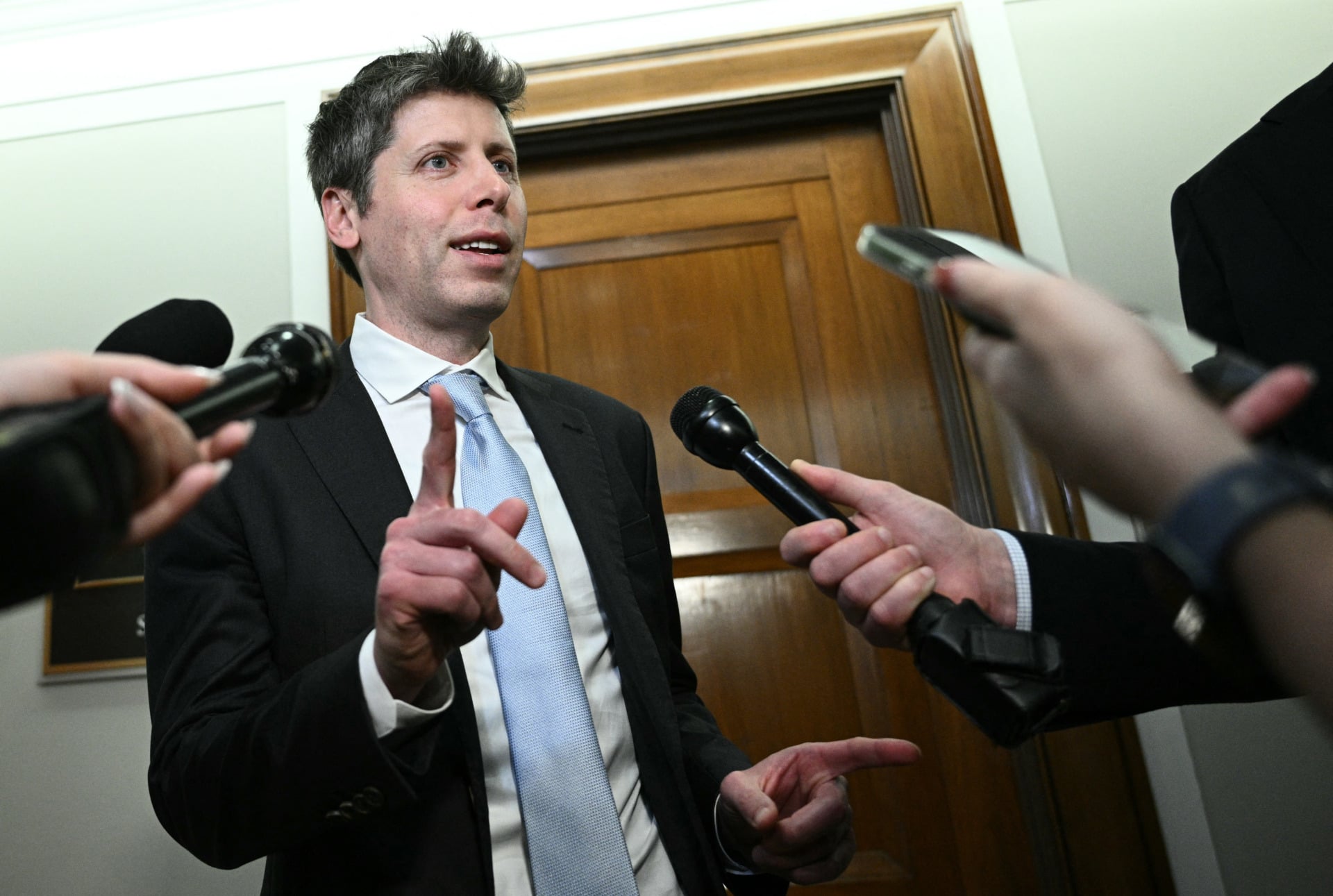
Sam Altman recently held closed-door meetings with executives from America's largest power providers. The discussions centered on integrating OpenAI's security frameworks into the nation's electrical grid, following a series of AI-powered cyber incidents that have exposed vulnerabilities in decades-old operational technology.
Why This Matters
Critical infrastructure across the country relies on systems built long before cybersecurity was a consideration. When those systems connect to the internet whether modernization or accident they become prime targets. Utilities operate under strict rate regulations, limiting their ability to fund security upgrades, while AI-driven demand from data centers is already pushing electricity costs sharply higher.
Key Takeaways
- OpenAI is pitching its Daybreak security model to major utilities including Duke Energy, Exelon, and NextEra Energy.
- Much of the nation's power grid infrastructure was never designed with cybersecurity in mind, leaving it exposed to modern threats.
- A recent survey found 90% of state CIOs consider cyberattacks on critical services a top concern, yet many local utilities lack dedicated security staff.
- Utility pricing rules prevent flexible spending on security, meaning cost increases often get passed directly to consumers.
- AI itself is a double-edged sword: while it can defend against threats, it also introduces new attack vectors, as demonstrated by recent incidents involving OpenAI's own tools.
Conclusion
The push to bring AI into grid security represents a pivotal moment where technology meets public infrastructure. Whether OpenAI's approach will ease or exacerbate existing risks remains to be seen, but the conversation signals that the energy sector can no longer ignore the cybersecurity implications of an AI-powered future.



Discussion
Join the conversation
Thoughtful reactions, questions, and follow-up ideas help shape the next story.