Introduction
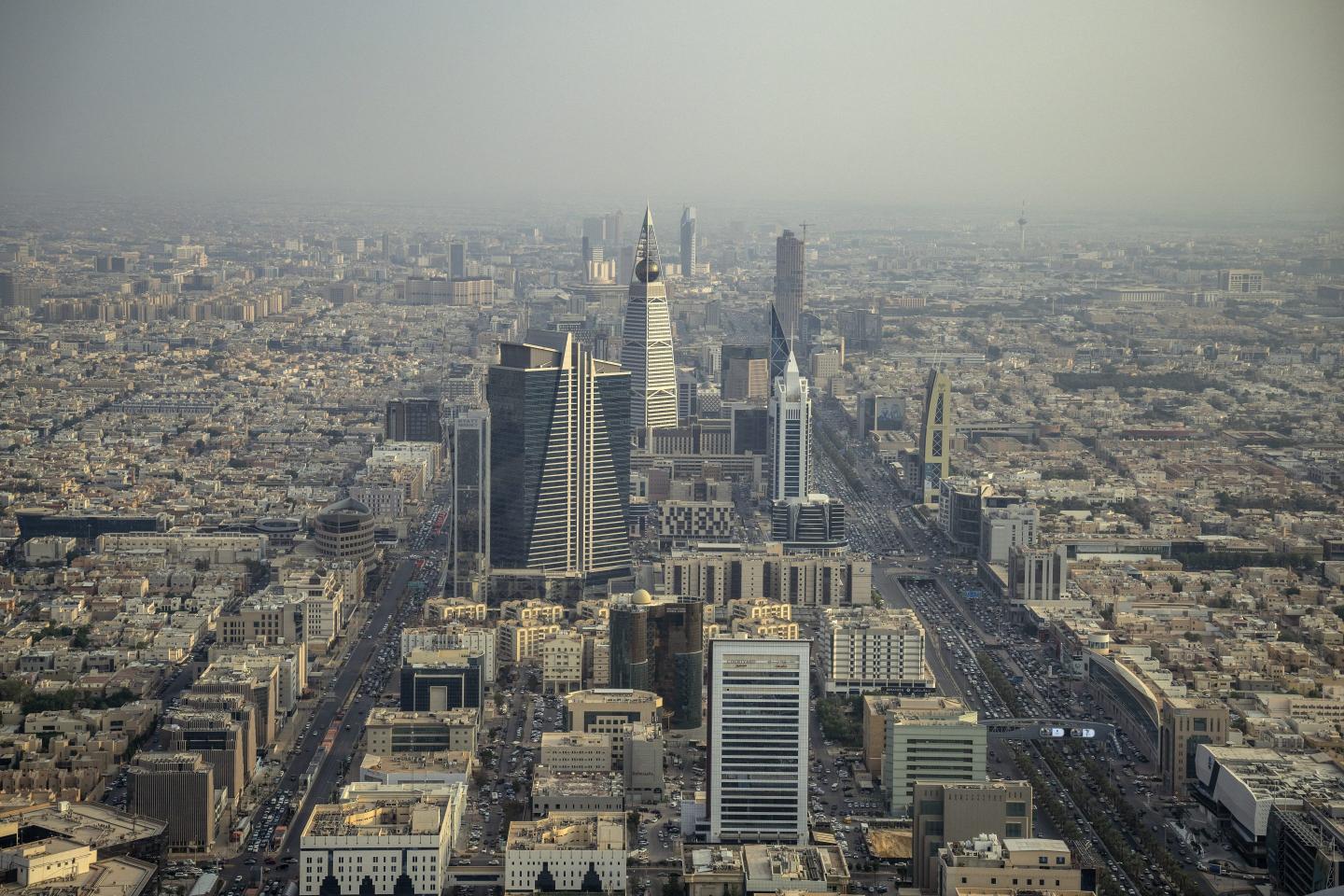
Saudi Arabia's ambitious Vision 2030 transformation is encountering significant headwinds as foreign direct investment plummeted in the second quarter, reflecting broader regional instability. The kingdom's push to diversify away from oil faces its most testing period yet, with geopolitical tensions and shifting investor sentiment reshaping the economic landscape.
What Happened
Foreign direct investment into Saudi Arabia fell 18% quarter-over-quarter to SAR 22.3 billion ($5.95 billion) in Q2, according to official data, marking a sharp slowdown in the kingdom's attractiveness to international capital. The pullback coincides with the ongoing U.S.-Iran war, which has disrupted oil supplies and heightened regional risk. Meanwhile, Saudi Arabia's finance ministry revised the 2026 budget deficit upward to SAR 245 billion (4.9% of GDP) from an initial SAR 165 billion (3.3%), citing spending pressures rather than revenue shortfalls. Bank lending to state-owned enterprises surged 18.4% year-on-year in August, outpacing private-sector credit growth by a factor of three. Moody's noted that the recalibrated Vision 2030, announced in February, will focus capital on high-return projects, helping to ease fiscal strain. Aramco's CEO warned that the conflict has reduced regional oil supply by nearly 3 billion barrels and that global stockpiles are remarkably thin. Additionally, Yemen's civil war escalation saw Saudi-backed forces retake key western coastal positions, prompting a joint deployment of Turkish, Pakistani, and Saudi forces under the Mecca Alliance for Defence to secure the strategic Bab el-Mandeb Strait.
Why This Matters
The FDI decline threatens Saudi Arabia's goal of securing $100 billion in annual foreign investment by 2030, a cornerstone of Vision 2030's strategy to reduce fiscal reliance on oil revenues and expand the private sector. A larger deficit and tighter credit conditions could slow the pace of mega-project restructuring, particularly in logistics, manufacturing, utilities, and digital infrastructure, which the government is now prioritizing for capital allocation. Moody's outlook of a 3.3% contraction in Saudi real GDP for 2026 underscores the risk of prolonged oil trade disruptions. For investors, the environment signals a shift toward more selective capital deployment, with an emphasis on sectors offering strategic returns and capital efficiency.
Key Takeaways
- Saudi Q2 FDI dropped 18% to SAR 22.3 billion, the steepest decline amid regional conflict.
- The kingdom revised its 2026 budget deficit to SAR 245 billion (4.9% of GDP), reflecting elevated spending.
- Moody's forecasts a 3.3% contraction in Saudi real GDP for 2026 due to oil trade disruptions.
- Vision 2030 is being resequenced toward projects with the strongest returns, focusing on logistics, manufacturing, utilities, and AI infrastructure.
- Aramco's CEO confirmed the U.S.-Iran war has cut regional oil supply by nearly 3 billion barrels, tightening global markets.
- Gulf sovereign funds deployed $102 billion in the first nine months of 2026, with Mubadala leading at $26.2 billion, signaling continued capital availability despite FDI headwinds.
- The secondary market for tech assets in MENA is gaining traction, with Key Capital and regional funds targeting liquidity solutions for startup founders.
Conclusion
Saudi Arabia's economic transformation is at a critical juncture, where geopolitical headwinds and fiscal adjustments will shape the next phase of Vision 2030. While the Q2 FDI drop and rising deficit present near-term challenges, the government's focus on capital-efficient projects and the unwavering commitment of sovereign funds provide a buffer against deeper disruption. Investors and policymakers alike will be watching how quickly the kingdom can restore investor confidence and deliver on its diversification promises amid an increasingly complex regional outlook.


Discussion
Join the conversation
Thoughtful reactions, questions, and follow-up ideas help shape the next story.